





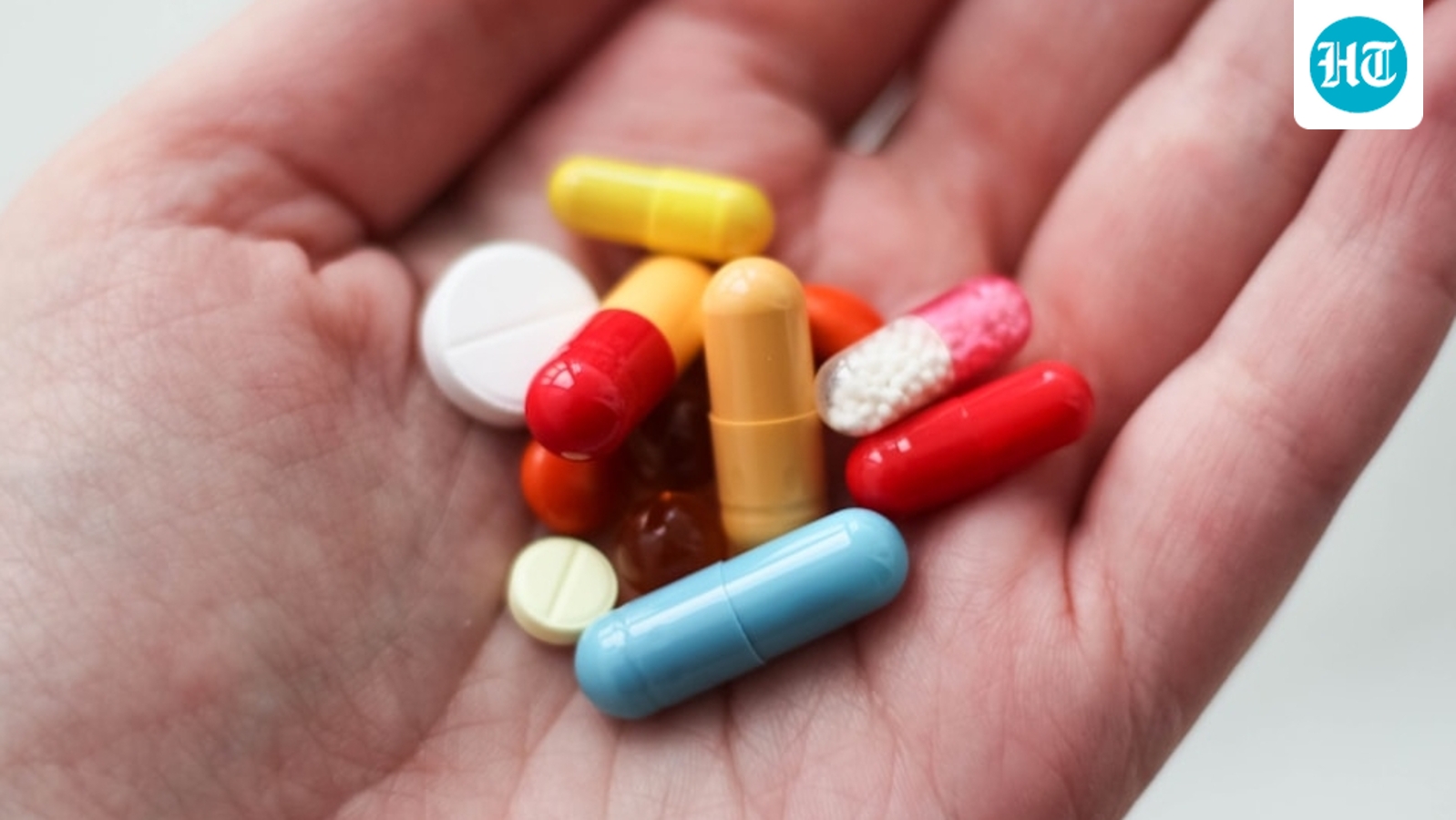
Every time you fall sick with a fever, sore throat, or persistent cough, you may instinctively reach for antibiotics. Most first-aid boxes contain one, perhaps over from a previous prescription or purchased without consulting a doctor.
Azithromycin is a common choice, generally taken at home for flu-like symptoms. But is it safe to use antibiotics so casually? Are there any dos and don’ts, and what could be the consequences of self-medication? ALSO READ: Why a medicine works for one person but not another: Gastroenterologist says the answer may lie in the gut
Side effects of self-medication
You may casually take antibiotics stored at home, but the consequences can be severe. Dr Mansi Nigam, a consultant physician at Kailash Deepak Hospital, confirmed the drawbacks, citing antibiotic resistance as one of the most serious consequences of self-medication.
“Many people take antibiotics without a doctor’s advice. Even for viral fevers or the flu, they often use azithromycin or other antibiotics that are easily available over the counter. However, antibiotics do not work against viral infections, so using them in these situations is unnecessary,” he said.
Other risks include delayed treatment, as you may end up taking the wrong antibiotic without a proper diagnosis. Dr Nigam also warned that self-medication could cause side effects, allergic reactions, or harmful interactions with other medicines.
Even when the right antibiotic is taken, using the wrong dosage, discontinuing it prematurely or sharing it with others can lower its effectiveness. She said, “Another common problem is using the wrong dose or stopping the medicine as soon as symptoms improve instead of completing the full course. Some people also use leftover antibiotics or share them with family or friends. These practices allow bacteria to survive and gradually become resistant.”
Next, she addressed the safety aspect, advising people to take antibiotics only after consulting a doctor, who can closely examine their symptoms and determine the appropriate medicine, dosage and duration of treatment.
Why antibiotic quality matters too
Self-medicating is not the sole mistake that can compromise antibiotic treatment. Vijay Kumar Aggarwal, managing director of Medicef Pharma, noted that the quality and potency of an antibiotic also determine its ability to effectively clear an infection.
He said, “Antibiotics that fall short of stringent quality and potency standards can fail to clear an infection even when taken correctly, and that failure looks no different from resistance.”
Patients need to follow the prescribed dosage and complete the entire course, even if their symptoms improve earlier. At the same time, a medicine that does not meet the required quality standards may fail to treat the infection effectively. So, tackling antimicrobial resistance requires both responsible antibiotic use and rigorous manufacturing standards.
He further added, “We see this as more than a manufacturing responsibility; it is a stewardship responsibility. Making effective medicines is not enough; we also need to actively support their use. Self-medication isn’t the problem itself; it can work for minor ailments when OTC medicines are used as directed. Antibiotics need a proper diagnosis and prescription, and protecting their effectiveness needs every stakeholder working together.”
The industry expert advocated for more responsibility for pharmaceutical companies. Moreover, general self-medication and antibiotic self-medication differ a lot. Antibiotics require a medical diagnosis and prescription.
Self-medication may be appropriate for minor ailments, but antibiotics should never be taken casually.
Note to readers: This article is for informational purposes only and not a substitute for professional medical advice. Always seek the advice of your doctor with any questions about a medical condition.


