



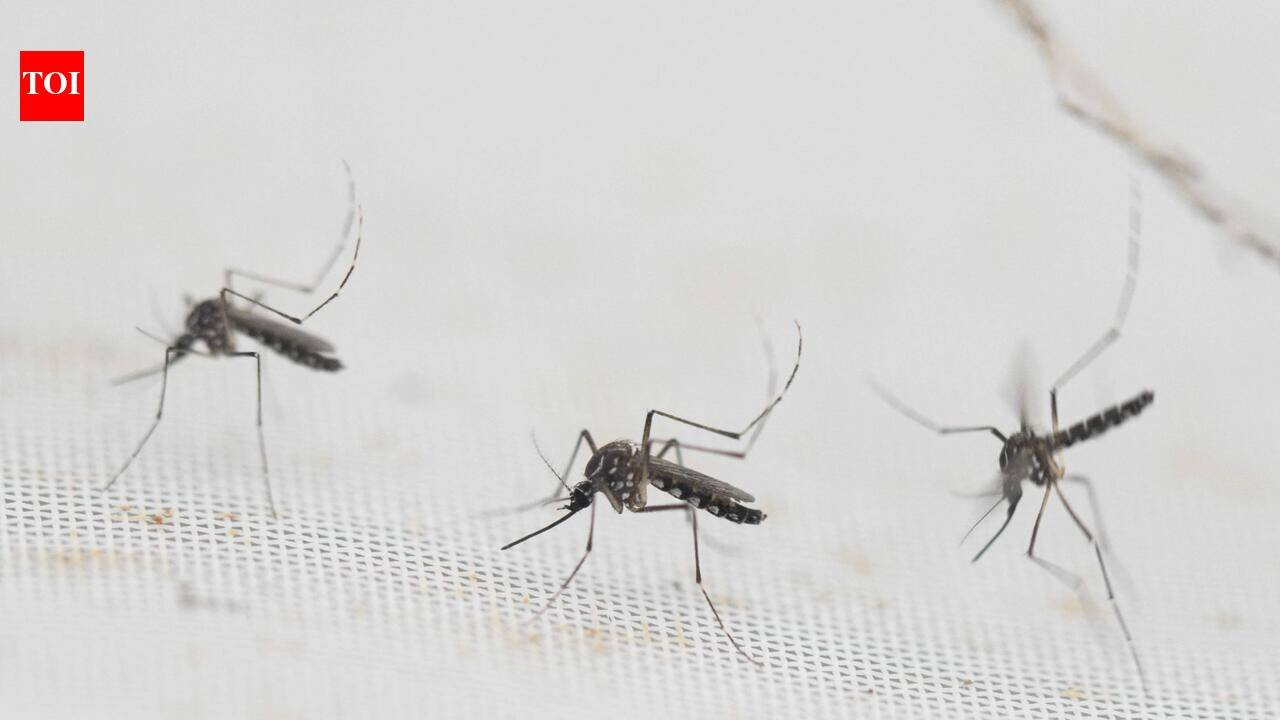
Pune: Suspected dengue cases in the city have more than doubled this month after recent spells of rain, with 142 such patients recorded as of June 23, compared with 58 in the whole of May.Doctors across areas said they have witnessed a sudden spike in dengue patients in the past one week, including children, and attributed the rise to fresh mosquito breeding following rain, as well as improper water storage amid ongoing supply shortages.While Pune has reported 315 suspected dengue cases this year till date, only 33 have been laboratory-confirmed, with 31 confirmations coming this month till June 23. Pune Municipal Corporation (PMC) health department officials said “suspected” dengue cases refer to patients who test positive on the NS1 antigen test in private labs, but are yet to be confirmed through IgM and IgG antibody testing at the National Institute of Virology (NIV).Senior paediatric intensivist at Sahyadri Manipal Hospital, Nagar Road, and Jehangir Hospital Pune, Dr Sagar Lad, told TOI that dengue cases had “spiked suddenly” over the last four to five days. “Till a couple of weeks ago, there were hardly any dengue cases. The rise could be because of improper water storage during the ongoing shortage and mosquito breeding after recent rainfall,” he said, adding that he has also seen neurological (brain) manifestations of dengue in some children, and urged people to take precautions.Infectious disease specialist Dr Ameet Dravid of Noble Hospital agreed that there had been a definite rise in dengue cases over the past seven to 10 days. Dravid said the increase was particularly noticeable in suburban areas such as Warje, Shivane and Hadapsar, where dense populations and poor sewage facilities create favourable conditions for mosquito breeding. “There must have been an increase in mosquito breeding after the recent rain spells. There is no other explanation for such a sudden rise in dengue cases,” he said, adding that chikungunya cases have not yet begun to rise.“Patients are presenting with fever, bodyache, rash and low platelet counts. We are seeing more admissions due to thrombocytopenia (low platelets), and the numbers are likely to increase further,” he said.PMC’s insect control department also reported an increase in mosquito breeding. Between Jan 1 and June 23 this year, the civic body detected 896 breeding sites across homes, offices, colleges and other premises during inspections. Officials have appealed to citizens to avoid water stagnation in coolers, flower pots, buckets, discarded tyres and other containers, saying source reduction remains the most effective way to prevent dengue transmission during the monsoon.Dr Sujata Rege, consultant in infectious diseases at Symbiosis University Hospital and Jupiter Hospital, said her hospitals have seen a rise in dengue cases over the past one to two weeks. While most patients are presenting with the typical symptoms of dengue, including fever and a drop in platelet counts, severe complications have not yet become common.“Right now, it’s just the beginning. We are not seeing many patients with severe complications such as shock or hemophagocytic lymphohistiocytosis, a rare but life-threatening hyperinflammatory syndrome in which the immune system becomes overactive and starts damaging the body’s own organs. But as the number of cases increases, there will always be a proportion who develop these complications,” she said.She added that most of the patients have no travel history outside Pune, indicating local transmission. Prevention should be the immediate focus, she stressed, particularly because the Aedes mosquito spreads dengue bites during the day. “People usually remember to use mosquito repellents in the evening, but dengue mosquitoes are day-biters. Children should apply mosquito repellent before leaving for school and adults should also use repellents when stepping out during the day,” she said. While mosquito nets offer additional protection, she said personal protection is the most effective measure against dengue.


