



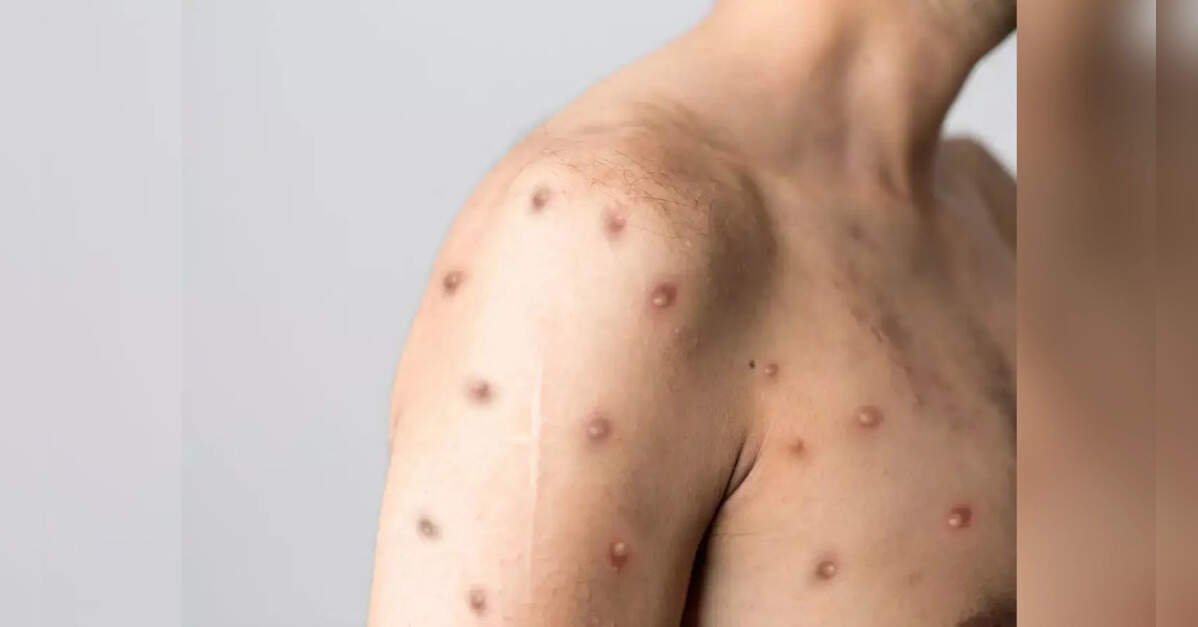
Chennai: With more than 800 chickenpox cases reported over the last two months across the state, particularly among children in cities such as Chennai, the Directorate of Public Health has upped its surveillance to ensure timely reporting of cases from all health facilities, schools and hostels. It asked health officials to hold outbreak investigation and submit detailed reports, and to reinforce community awareness on prevention and early treatment.
Chickenpox, a highly contagious viral infection caused by the varicella-zoster virus, causes a fever, headache, fatigue and an itchy rash with fluid-filled blisters. Early signs appear within 10-21 days and may include loss of appetite. The rashes may start on the chest, back, face, or scalp, progressing from red bumps to fluid-filled blisters appearing in crops. It primarily affects children but can occur in anyone unvaccinated or without prior exposure.
Most children in TN are not vaccinated against the disease as the chickenpox vaccine is not included in India’s Universal Immunisation Programme schedule. The schedule offers free vaccines for high-burden diseases such as polio, measles, and tetanus, said director of public health Dr A Somasundaram. While paediatric groups such as the Indian Academy of Paediatrics recommend it as an optional vaccine, most children visiting govt hospitals do not get the vaccine. “Chickenpox, unlike other vaccine-preventable illnesses, is mild and offers lifelong immunity post-infection. Mortality is very rare,” he said. Post-exposure vaccine is recommended within 3-5 days of exposure.However, doctors strongly recommend the vaccine for adults above 50 years as the virus remains latent in the body after recovery, potentially reactivating later as shingles.
When tests confirm chickenpox, doctors may prescribe the antiviral drug acyclovir, besides other medicines for fever and itchy skin, said joint director of Public Health and Preventive Medicine (Communicable Disease) Dr M Senthil Kumar. “There is no cause for concern now, but we saw cases increase in summer. The alert is to ensure that people stay careful,” he said.
Patients must be isolated for a week or until crusting (final healing stage of rash, when blisters dry out and form protective scabs). Caregivers and close contacts must avoid contact with those infected. “It is important to reinforce hand hygiene in schools and at homes,” he said.


