



New Delhi: A new study suggests that the risk of infectious disease outbreaks is higher in areas where people and livestock live close to highly fragmented, forested ecosystems, such as forests divided into smaller woodlands by human settlements or farms.
Researchers said this is partly because animals that tend to thrive in such environments are more likely to carry diseases, increasing human exposure.
For vector-borne diseases, there was particularly clear evidence of human influence on the causes of their rising threat to global public health, they said.
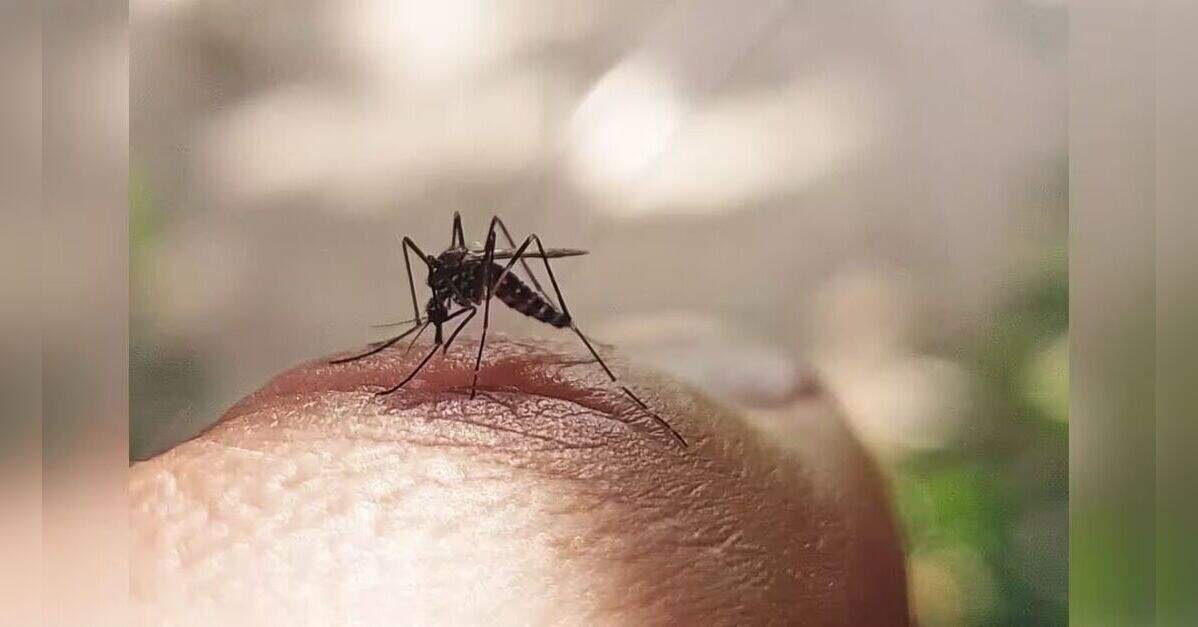
Fragmented ecosystems, and areas experiencing long-term declines in rainfall due to climate change had increased risks of outbreaks for diseases such as dengue and Zika, the findings published in the journal Nature showed.
Co-author Sadie Ryan, professor at the University of Florida, said, “Spillover disease outbreaks are multi-causal, shaped by the socioecological system; this really highlights the need for One Health integrated approaches to surveillance and intervention — there is no single intervention strategy.”
The World Health Organization (WHO) defines ‘One Health’ as an integrated, unifying approach to balance and optimise the health of people, animals, plants and ecosystems.
The study conducted “the largest data-driven assessment to date” of the environmental drivers of emerging infectious diseases, analysing 58,318 outbreaks across 32 diseases and 169 countries.
Outbreaks of diseases transmitted directly from animals — zoonotic diseases such as coronaviruses, Ebola and mpox — and vector-borne diseases transmitted by mosquitoes, ticks and fleas, such as dengue, Lyme disease and malaria, were examined.
“We show that outbreak risks are typically highest in mosaic landscapes where people and livestock live alongside forests and fragmented ecosystems,” the authors wrote.
However, for zoonotic infections, those that ‘spill over’ directly from animals to people, including many pandemic threats, there were no environmental factors that consistently helped to predict where outbreaks occur.
Instead, the effects of factors such as deforestation, climate warming and agricultural intensification varied considerably between diseases, the researchers said, and added that disease-specific and region-specific data are needed to monitor potential outbreak risks.
Lead author Rory Gibb, from University College London, UK, said, “Our findings show that no single environmental recipe can predict where emerging infectious disease outbreaks will occur. Disease transmission from animals to people is common in human-modified habitats worldwide, but the exact human activities that drive outbreaks differ between diseases.”
“This means that improving people’s access to healthcare and strengthening disease monitoring systems is critically important, to help make sure that outbreaks of any disease can be detected early and stopped before they become epidemics or pandemics,” Gibb said.
