






Maintaining a calorie deficit means consuming fewer calories than your body burns, which can be challenging to sustain when hunger starts to creep in between meals. However, being in a calorie deficit does not have to mean constantly feeling hungry or deprived. By making a few smart changes to how you structure and eat your meals, you can choose more filling, nutrient-rich foods, stay satisfied for longer and manage your calorie intake without feeling like you are starving yourself.
Chennai-based fitness coach Raj Ganpath, who has more than 18 years of experience and is the founder of the Slow Burn Method, co-founder and head coach at Quad Fitness, and author of Simple, Not Easy, has shared four strategies to help you maintain a calorie deficit without feeling like you are starving yourself. In an Instagram video shared on August 19, the fitness coach highlights, “Do these four simple things in your next meal and I promise you you will eat fewer calories, more nutrients, and feel fuller for much longer.”
Drink a glass of water before meals
When you’re ravenously hungry, you may be more likely to eat quickly and overeat, resulting in a higher calorie intake. Drinking a glass of water before your meal may potentially reduce the amount you eat and help with portion control. Raj explains, “Number one, start your meal by drinking a glass of water. This takes up some stomach volume, but no, it does not dilute your stomach acid enough to affect digestion.”
A balanced plate
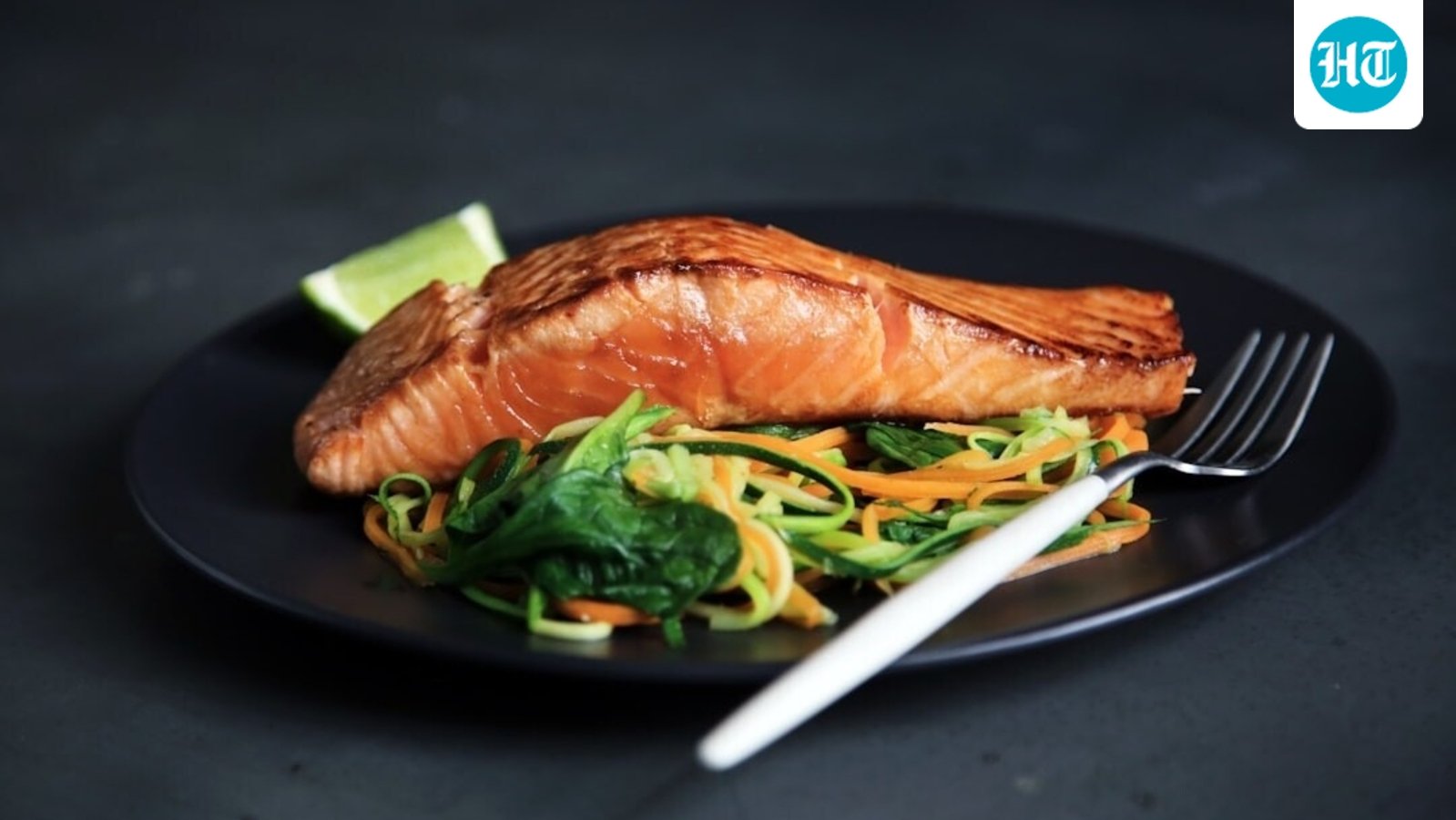
When it comes to eating healthy, protein should not be the sole focus, despite its growing popularity and the rise of trends such as “proteinmaxxing”. True nutrition comes from maintaining a balanced diet that provides all the essential nutrients your body needs. Raj highlights, “Number two, make sure your plate contains equal amounts of protein, vegetables, and starch. Doesn’t matter what kind of protein, doesn’t matter what kind of vegetables. Just make sure nothing on your plate is oily, fried, creamy, or rich.”
Eat veggies fast
Raj recommends “frontloading” your meals with vegetables, essentially consuming fibre-rich foods before carbohydrates. This is often advised because fibre can slow the digestion and absorption of carbohydrates, helping to moderate the rise in blood glucose levels after a meal. The fitness coach suggests, “Number three, frontload your meal with vegetables. That means eat your vegetables first before you move on to starch and protein.”
Eat food slowly
When you eat too quickly, you may end up overeating because your brain does not have enough time to register that you are full. Eating slowly gives your body time to send satiety signals, helping you pay closer attention to your hunger and fullness cues. Raj explains, “Number four, spend at least 20 minutes eating your food. The slower you eat, the more control you have over how much you’re eating. Do these four things and you’ll be surprised at how little you eat and how good you feel.”
Note to readers: This article is for informational purposes only and not a substitute for professional medical advice. It is based on user-generated content from social media. HT.com has not independently verified the claims and does not endorse them.
Raj Ganpath is a Chennai-based fitness and nutrition coach, entrepreneur and mentor with over 18 years of experience. He is the founder of the Slow Burn Method, co-founder and head coach at Quad Fitness, and the author of Simple, Not Easy. Known for simplifying complex fitness and nutrition concepts, Raj helps people build practical, sustainable habits that support long-term health and weight loss.


