



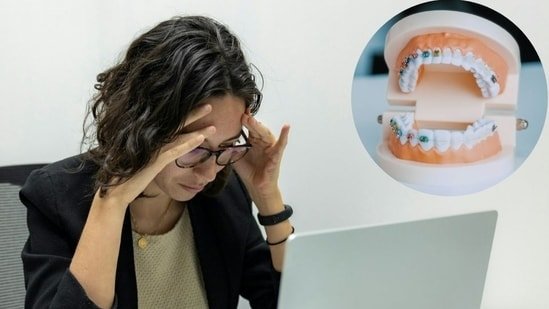
Most people equate stress with headaches, exhaustion, or emotional strain. Its effects, however, extend beyond the brain. Stress causes the body to react in a variety of subtle ways, and the mouth is frequently one of the first areas to show these changes. Chronic stress can subtly affect dental health long before more noticeable symptoms appear because oral tissues are extremely sensitive to inflammation, hormonal changes, and muscular strain. In an exclusive conversation with HT Lifestyle, Dr Tania Nijhawan, Founder, Udana Wellness, smile designing (NYU,USA) and cosmetic dentistry (USC,USA), revealed how stress can significantly impact oral health.
Gum inflammation
Dr Tania said, “Gum inflammation is one of the most prevalent ways that stress affects the mouth.” “Long-term stress causes the body to create more cortisol, a hormone that can impair immunity and heighten inflammatory reactions,” she added. This makes the gums more vulnerable to bacterial infections. People may begin to notice bleeding while brushing, swelling, tenderness or persistent bad breath.
Bruxism
According to Dr Tania, Bruxism, a condition where teeth clench or grind, is another common way that stress shows up. Because it frequently occurs when you’re sleeping, many people are unaware that they grind their teeth. This constant pressure can eventually erode tooth enamel, make teeth more sensitive, and even result in tiny fractures. Headaches, face pain, or stiffness when opening the mouth might result from the surrounding jaw muscles being tense and worn out.
Reduced saliva flow
Another important effect of stress is reduced saliva flow. Saliva plays a protective role in the mouth by washing away food debris, neutralising acids and maintaining a healthy balance of bacteria. When stress causes dryness, the risk of cavities, infections, and bad breath increases. Even a mild but persistent dry mouth can create an environment where harmful microorganisms thrive more easily.
Impacts dietary habits
Dr Tania highlighted that dietary habits often change during stressful periods as well. People may snack more frequently, consume higher amounts of sugar or rely on caffeinated and acidic beverages for energy. At the same time, balanced meals rich in essential nutrients may be skipped. These shifts can weaken enamel, encourage plaque formation and delay healing of oral tissues. Nutritional deficiencies during prolonged stress can also contribute to painful mouth ulcers or increased gum sensitivity.
Digestive problems and weekend immunity
Stress may also influence digestion and overall immunity, which can further affect oral health. Recurrent canker sores, altered taste sensations or persistent bad breath are sometimes observed during emotionally demanding phases. While these symptoms may appear minor initially, they can reflect deeper imbalances within the body.
Note to readers: This article is for informational purposes only and not a substitute for professional medical advice. Always seek the advice of your doctor with any questions about a medical condition.


