



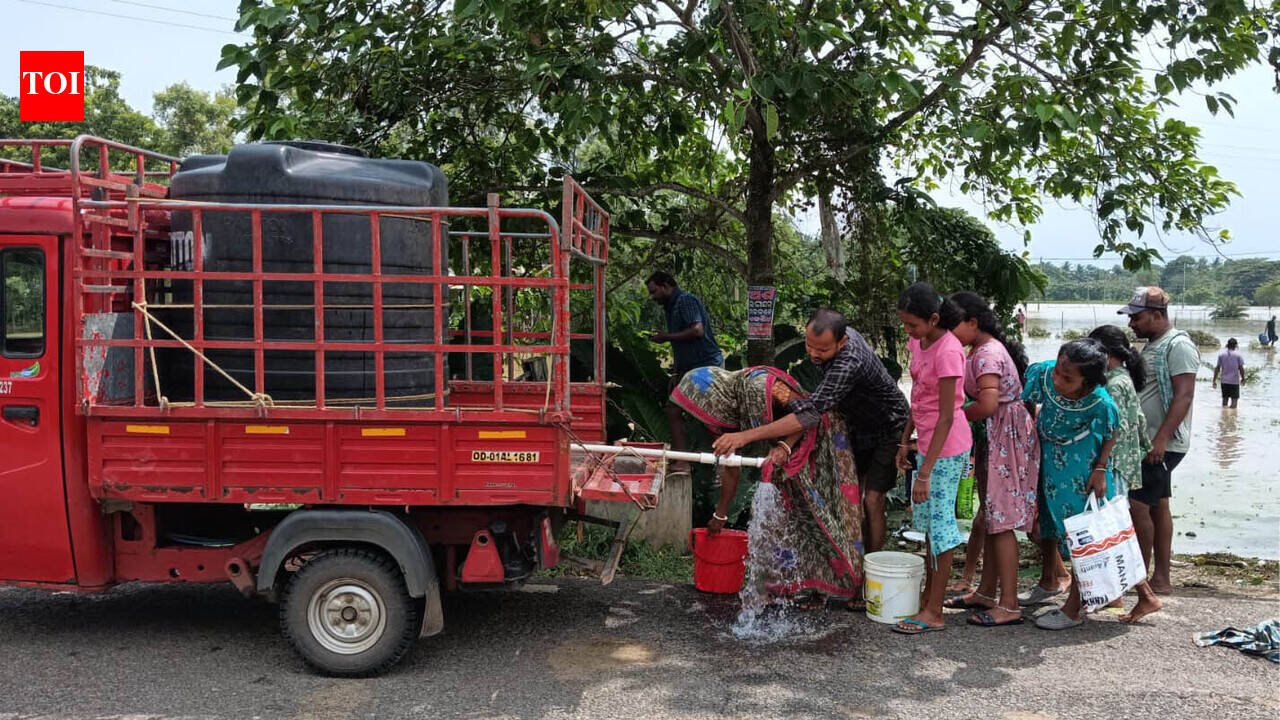
Bhubaneswar: Anticipating a post-flood rise in water-borne and vector-borne diseases, the health and family welfare department has intensified surveillance, deployed rapid response teams and stocked essential medicines in affected areas. Officials said possible diarrhoea, dysentery, snakebite, dengue and malaria cases are being closely monitored.At a flood review meeting, revenue minister Suresh Pujari and chief secretary Anu Garg were informed that medical preparedness has been strengthened in vulnerable areas. The department said medical teams have been deployed, essential medicines stocked and anti-snake venom supplied to vulnerable locations. MBBS doctors have been posted at every primary health centre to provide emergency care.Pujari said snakebite cases could become a challenge after floodwaters recede and hospitals have been asked to maintain adequate anti-venom stocks. District-level rapid response teams have been directed to report any possible outbreak of water-borne diseases, while medicines have been stored for immediate use.Floodwater mixed with sewage entered several homes in flood-affected districts, including Balasore, Bhadrak, Jajpur, Keonjhar, Kendrapada, Jagatsinghpur and Cuttack. Health experts warned that diarrhoea, dysentery, gastroenteritis, typhoid, hepatitis and other bacterial infections could occur due to contamination of water sources. People have been advised to drink boiled water and remain alert to snake movement near houses.Director of public health Dr Rabindra Nath Mishra said standard advisories have been issued for flood preparedness. Officials will map areas where floodwater has entered, maintain adequate drug stocks and open control rooms in affected areas. Health teams will alert authorities to early signs of diseases such as dysentery or cholera. ORS, bleaching powder, water testing and clean water supply will be ensured. Mishra said no outbreak of water-borne disease has been reported so far.The health department has also stepped up awareness campaigns against malaria and dengue, urging people to keep their surroundings clean, prevent stagnation of water, wear full-sleeved clothes, use mosquito nets, maintain sanitation, eat freshly cooked food, drink boiled or purified water and wash hands regularly.Meanwhile, the panchayati raj and drinking water department has intensified measures to ensure safe drinking water. Field-level teams have been mobilised to disinfect affected drinking water sources, restore piped water supply schemes and provide alternative drinking water wherever normal supply has been disrupted. Of 13,662 reported tube wells, 6,491 were affected and 2,710 had been disinfected by July 31. Of 642 piped water supply schemes, 357 were affected and 101 restored or disinfected. Bhadrak, Balasore and Jajpur remain under focus.


