


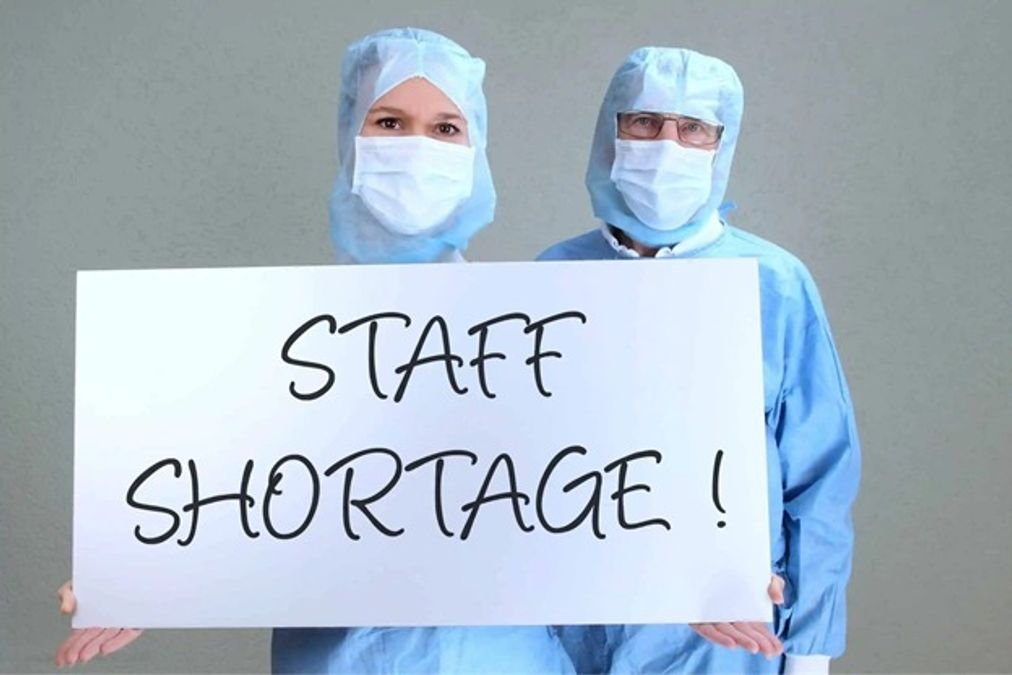
Srinagar, Aug 1: Rural healthcare services in Jammu and Kashmir continue to face a significant shortage of medical professionals and paramedical staff, with hundreds of sanctioned posts lying vacant across PHCS, CHCs, as per the Health Dynamics of India (Infrastructure and Human Resources) 2023-24 report released by the Ministry of Health and Family Welfare.
The report reveals that out of the 1,517 sanctioned posts for doctors and medical officers in rural PHCs across Jammu and Kashmir, only 935 are currently filled, leaving 582 posts vacant.
The shortage is expected to impact the delivery of primary healthcare services, particularly in remote and underserved areas where PHCs serve as the first point of contact for patients.
The report also highlights a substantial shortage of specialist doctors at rural CHCs. Against a sanctioned strength of 181 specialists, including surgeons, obstetricians and gynaecologists, physicians, and paediatricians, only 100 posts are occupied, while 81 remain vacant.
Diagnostic services have been hit due to vacancies among technical staff. The report states that there are 132 sanctioned posts of radiographers in rural CHCs, of which 114 are filled, leaving 18 vacancies.
The nursing workforce also continues to face a significant shortfall. According to the report, J&K has a sanctioned strength of 924 nursing staff across PHCs and CHCs in rural areas, but 266 posts remain vacant, affecting patient care and the functioning of health facilities.
Laboratory services are similarly under pressure. Of the 658 sanctioned posts for laboratory technicians, only 546 are filled, while 112 remain vacant, limiting diagnostic capabilities in several rural health institutions.
The report notes that there are 1,211 sanctioned posts for pharmacists in rural PHCs and CHCs across the Union Territory. However, only 946 pharmacists are in position, leaving 265 vacancies that could be affecting dispensing of medicines at government health facilities.
Health Dynamics of India is an annual publication of the Ministry of Health and Family Welfare’s Statistics Division which provides data on health infrastructure and human resources in public health facilities across the country based on information furnished by States and UTs.
