



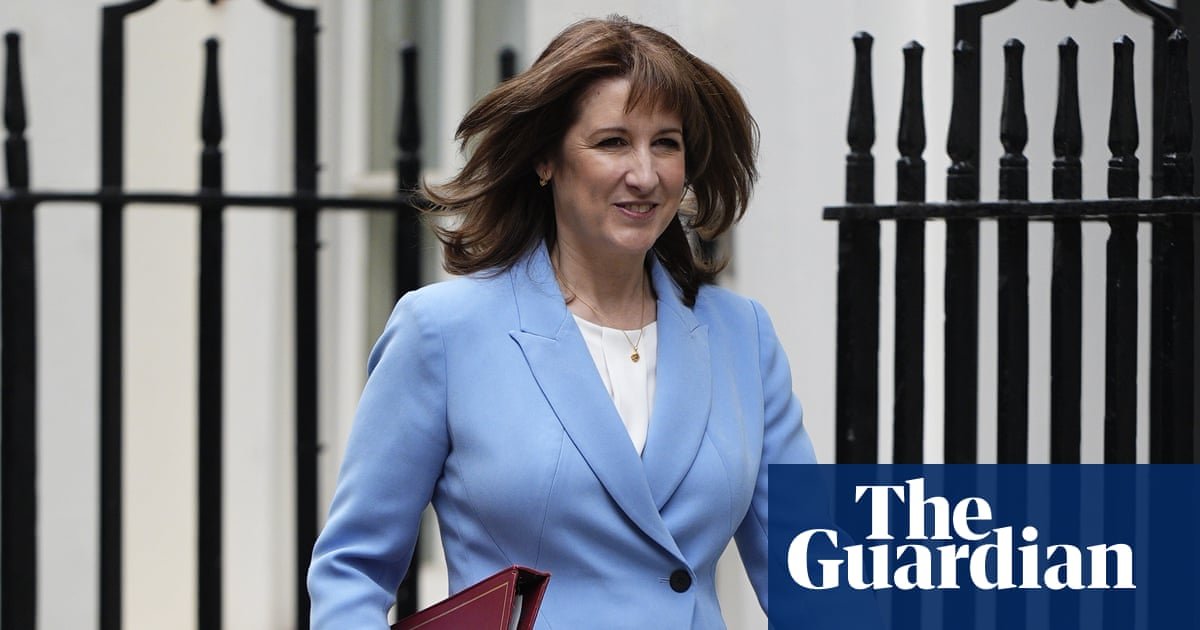
Rachel Reeves insisted Labour has “the right economic plan” for a world that has become “yet more uncertain” as she delivered a spring forecast that downgraded growth for this year.
The chancellor was addressing MPs against the backdrop of surging energy prices, as investors fret about the impact of the spiralling conflict in the Middle East. The cost of a barrel of Brent crude was up another 7% on Tuesday, at $83.20.
Reeves said she was in close touch with the Bank of England governor, Andrew Bailey, as they monitor the situation and would meet representatives of the North Sea energy industry on Wednesday.
She said new forecasts from the independent Office for Budget Responsibility (OBR), published alongside her statement, showed that, “inflation is down, borrowing is down, living standards are up and the economy is growing”.
“This government has restored economic stability,” she claimed, in a deliberately low-key statement that as expected contained no substantive policy announcements.
Reeves conceded that GDP growth is now expected to be “slightly slower” this year, however, down to 1.1% from the previous forecast of 1.4%, after weaker than expected data in the final quarter of 2025 – but stronger in future years, at 1.6% in 2027 and 2028, and unchanged at 1.5% in 2029 and 2020.
The OBR also predicts unemployment will rise to a peak of 5.3% this year – but Reeves stressed it is then expected to decline to 4.1% by the end of the forecast period: lower than when Labour came to power.
Despite instructing the OBR not to judge her against her fiscal rules at this spring forecast, Reeves stressed that her buffer – or “headroom” – has increased in its latest projections, to £23.6bn from £21.7bn at the time of the November budget.
This improvement has been aided by lower gilt yields, or borrowing costs, though these have been rising again in recent days as investors bet on resurgent inflation.
As the Middle East conflict deepens, the chancellor promised that she would “chart a course through that uncertainty, secure our economy against shocks, and protect families from the uncertainty we see beyond our borders”.
She added: “I am in no doubt about Britain’s ability to navigate the challenges we face.”
Analysts have warned that if the price rise proves sustained, it will have a knock-on effect for petrol prices and for household utility bills, which Reeves has promised to cut.
Markets have also been revising down expectations for more interest rate cuts in the coming months, as more costly energy will complicate the Bank of England’s task in tackling inflation.
Reeves said the global backdrop meant the actions she had taken on inflation, including shifting green levies to general taxation and freezing bus fares and prescription charges, were “even more crucial”.
And she hailed other recent Labour decisions, including removing the two-child cap on benefits, and funding 30 hours a week of free childcare.
Reeves promised to take more action on youth unemployment and inactivity in the weeks ahead. And she highlighted her plan to deliver a lecture about Labour’s approach later this month, highlighting the importance of free trade, AI and increasing growth outside London and south-east England.


