



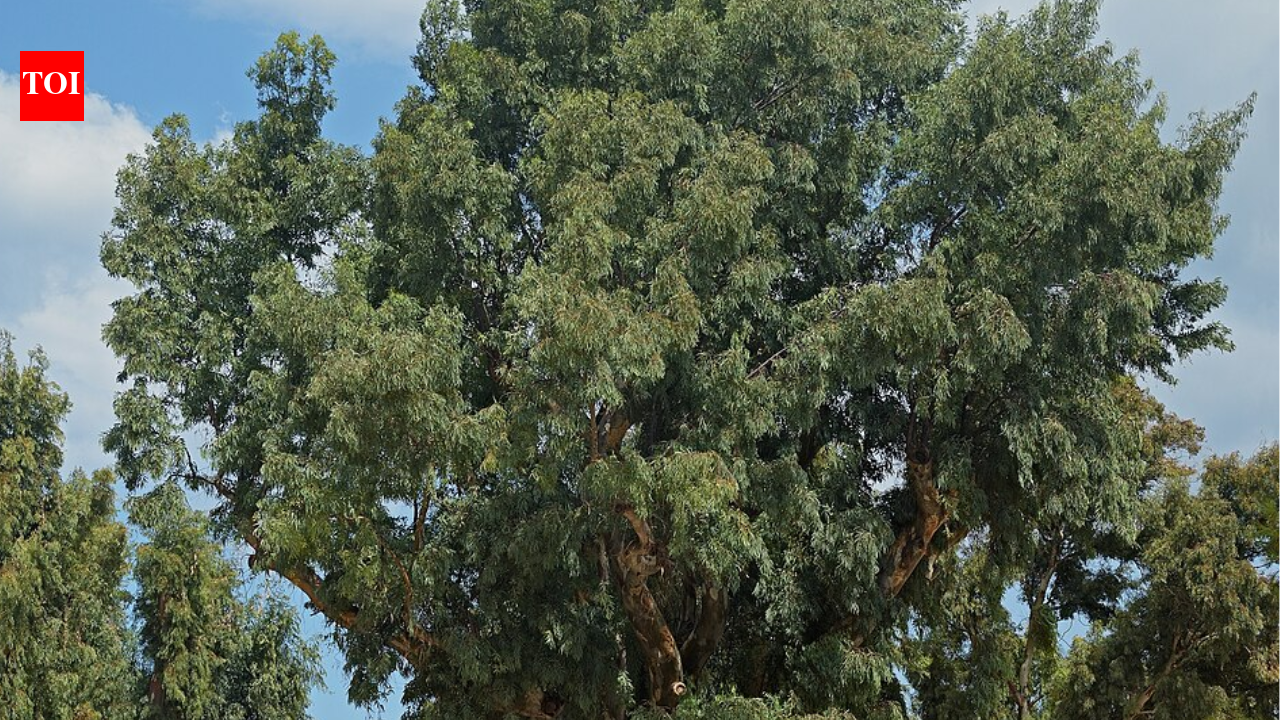
What was once seen as a smart way to boost Spain’s timber industry is now raising difficult environmental questions.Vast areas of eucalyptus plantations have been a characteristic part of the northwestern region of Spain for years now. Widely cultivated in Spain since the 1940s to meet demand from the paper and pulp industry, the fast-growing Australian tree was favored because it matured faster than native species.Eucalyptus plantations appear lush and forest-like, however, they function quite differently from native woodlands. Typically, a native forest consists of an exhaustive combination of different species of trees, shrubs, insects, fungi, and nesting sites that have evolved together over centuries. On the other hand, eucalyptus plantations, by contrast, are typically monocultures. They have simpler vegetation structure and apparently fewer food sources for wildlife. Researchers have found that both young and mature eucalyptus trees cannot replace the ecological role of native trees. Mature native trees provide shelter and natural breeding habitats for many bird species. The lack of native vegetation leads to reduced insect abundance, thus further limiting the ability of these plantations to support healthy wildlife populations. This explains why scientists often describe them as “green deserts.” In a recent study conducted by scientists at the University of Santiago de Compostela (USC) and the National Research Council of Spain (CSIC), a clear link between the two has been established.Native birds suffer from the growth of eucalyptusThe research, published in the journal Forest Ecology and Management, available through ScienceDirect, examined 240 sites in and around the Fragas do Eume Natural Park in Galicia, which is one of the last surviving remnants of Atlantic coastal forests on the Iberian Peninsula.As per the results, the amount of eucalyptus in an area was the best indicator of bird diversity loss. The researchers found that eucalyptus forests contained fewer bird species than the native forests around them. Even mature eucalyptus did not provide all the services provided by native forests.According to the study, insectivorous birds and those that nest in cavities have been affected the most. For instance, the great spotted woodpecker and the coal tit find it difficult to survive in eucalyptus forests due to the lack of insects as well as the absence of nesting cavities in the eucalyptus.According to the study, allowing eucalyptus stands to age does not make them function like native forests.Why scientists refer to them as ‘green deserts’While seeming lush from afar, eucalyptus plantations are often less biologically diverse than natural woodlands.One explanation scientists offer is that eucalyptus secretes chemicals into the soil, a process known as allelopathy. These substances prevent many native species from growing under the trees. With the reduction in the number of shrubs and wildflowers, there is also a corresponding reduction in the insect population. As a result, there is less food available for the birds.Unlike the old and native forests, the eucalyptus plantations, which are mainly meant for commercial purposes, are cut every 10 to 15 years, thus preventing the development of hollow trees where many woodland birds build their nests.The forests have great economic value.
Image of Eucalyptus trees. Image Credit: Wikimedia Commons
The issue is difficult to resolveAccording to the A Cadea Forestal-Madeira de Galicia 2025 report by the local forestry agency XERA, Galicia’s forestry and wood sector produces an estimated €2.5 billion per year and provides employment to more than 19,000 people. Eucalyptus is one of the region’s most economically valuable tree species because it grows quickly and supplies the pulp, paper and timber industries.The economic value of the sector has made the protection work difficult. In 2017, the Scientific Committee of the Ministry for Ecological Transition of Spain proposed the inclusion of the eucalyptus in the list of invasive alien species in Spain due to its impact on native ecosystems. However, the proposal was not accepted due to economic concerns.Alternative to the destruction of eucalyptus plantationsNotably, the scientists do not suggest destroying eucalyptus plantations.They suggest keeping strips of non-managed indigenous vegetation within these plantations. This means that allowing natural regeneration of shrubs, grasses, and indigenous trees would provide habitat for insects and birds without disrupting forestry practices.The scientists claim that such an inexpensive management alternative may be useful for both increasing biodiversity and forestry because it will attract insect-eating birds.An issue of larger European concernThis is not only an issue specific to Spain. According to Portugal’s National Forest Inventory, eucalyptus currently occupies more than 800,000 hectares of land in Portugal and thus is the most common type of forest tree. Eucalyptus has also been studied for its role in severe fires and their environmental impacts outside Australia, where the tree is native.Research into how large-scale plantations of eucalyptus could change the ecology of Mediterranean and temperate climates has been going on for many years now.The research suggests that forestry and biodiversity protection can be balanced.


