






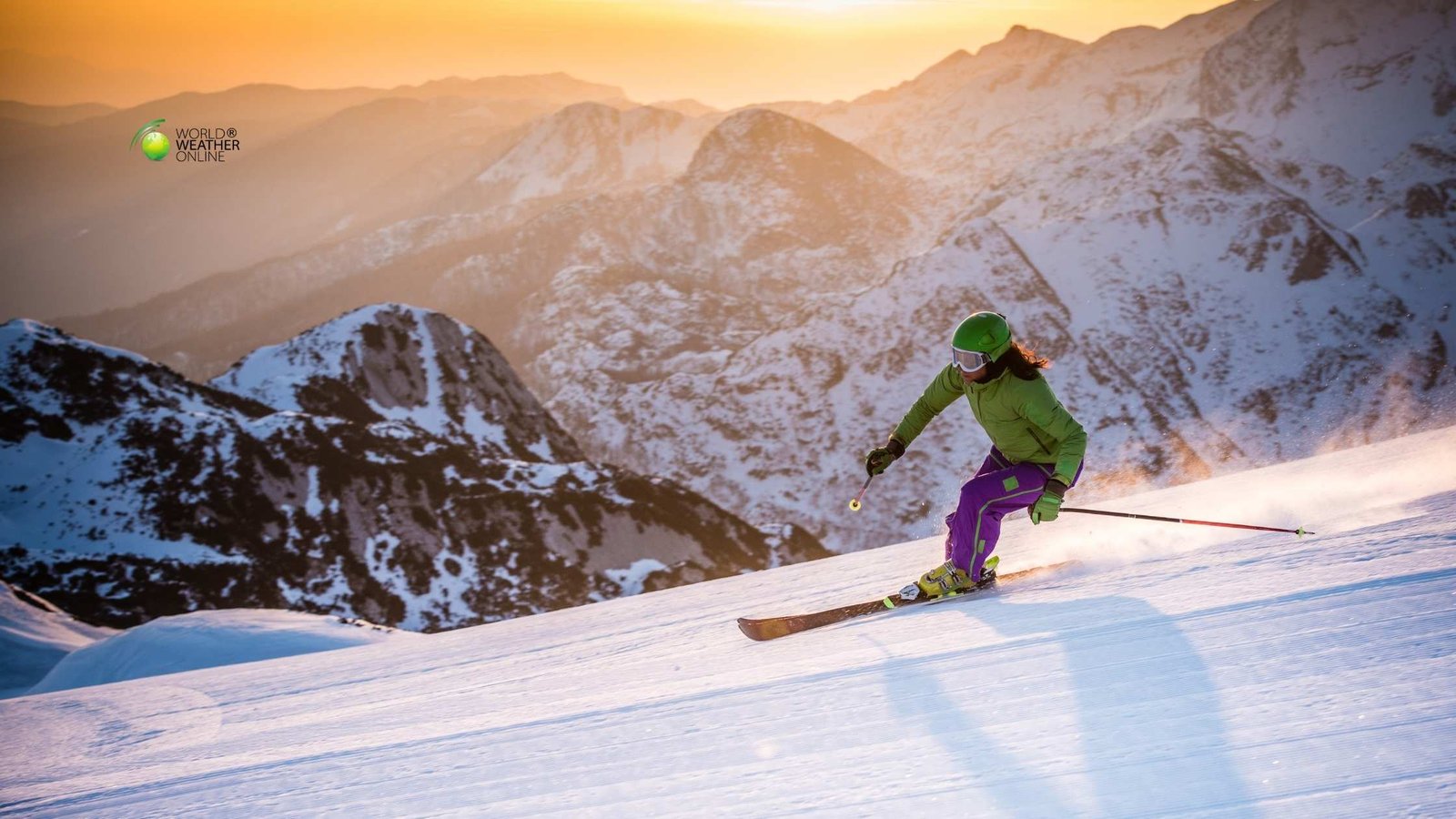
August is surprisingly delivering some of the strongest skiing of the 2026 Southern Hemisphere season. Fresh storms have improved coverage in New Zealand and the Andes, while Australia also has substantial terrain open, with more snow in the forecast.
The best destination depends on what matters the most. Some resorts have deep upper-mountain snow but limited lift access. Others offer thinner cover with almost every piste operating. So, here are the complete details of a wonderful Skiing experience for you in the remarkable Southern Hemisphere weather.
Snow Conditions at a Glance
- Deepest reported cover: Las Lenas, Argentina, with 230 cm upper and 120 cm lower
- Best all-round New Zealand option: Mt Hutt, with 170 cm upper and all five lifts running
- Strongest convenient Chile choice: Valle Nevado, with 180 cm upper and 90 cm lower
- Largest Australian option: Perisher, with up to 93 cm reported on the upper mountain
- Best for scenery and advanced terrain: Treble Cone, New Zealand
- Best for families and terrain parks: Cardrona, New Zealand
Snow depths are not perfectly comparable. Resorts measure at different elevations and locations. Ultimately, wind, grooming and artificial snowmaking also affect the surface that skiers actually experience.
New Zealand: Mt Hutt Leads a Strong August
An Antarctic cold outbreak strengthened New Zealand’s season. Snow reached unusually low elevations, including sea level in Wellington.
Mt Hutt currently offers New Zealand’s strongest overall balance. It provides 170 cm on the upper mountain and 110 cm lower down. All five lifts are currently operating. About 33 of its 35 kilometres of pistes are available. Surfaces can be described as packed powder and groomed snow.
On the other hand, Treble Cone is a better match for confident skiers seeking steeper terrain and dramatic alpine views. It has 85 cm at the upper level and 60 cm at the lower level, with 4 cm of fresh snow during the previous week.
Moreover, Cardrona suits families, beginners and freestyle riders. It has 55 cm at the upper level and 45 cm at the lower level, plus 2 cm of fresh snow. Its terrain parks add value beyond the headline depth.
Australia: Perisher Offers the Most Variety
Surprisingly, Australia’s cover is shallower than in the leading Andean resorts. However, its major ski areas have opened substantial terrain.
Perisher has up to 93 cm on the upper mountain and 55 cm lower down. The nearby Spencers Creek gauge recorded a natural snow depth of 87.1 cm. As Australia’s largest ski area, Perisher offers extensive terrain and several interconnected resort zones.
On the other hand, Mount Hotham provides 61 cm upper and 46 cm lower. Currently, nine of fourteen lifts and fourteen of thirty piste kilometres are operating. Some runs rely on machine-made cover, while the wind may also close exposed lifts.
A strong cold front could bring more than half a metre near 1,800 metres in favoured areas. However, unexpected wind and freezing levels could change the outcome.
Chile: Deep Cover and Fresh Andean Snow
Chile has some of August’s most impressive snow statistics. Recent storms refreshed the Andes after a less consistent start in several areas.
Specifically, Valle Nevado reported 180 cm upper and 90 cm lower. Conditions are packed powder and groomed. Almost all lifts and the reported piste network are available. Season-to-date snowfall has reached around 414 cm.
Moreover, this valley is also one of the easiest Andean resorts to reach from Santiago. That makes it practical for international visitors who want deep snow without adding a domestic flight.
Additionally, Nevados de Chillán reported 125 cm upper and 65 cm lower. Twelve of 16 lifts were running, with 21 of 35 piste kilometres open. Although a recent storm has improved coverage, visitors should still follow avalanche guidance.
Argentina: Las Leñas Has the Deepest Base
Las Leñas holds the largest snow depth in this comparison. Its upper slopes had around 230 cm, while the lower mountain had 120 cm. Fresh snow was also reported recently.
Mountain access is not complete, but 12 of 15 lifts were currently open. Las Leñas therefore suits adventurous skiers who value deep cover and challenging terrain.
Cerro Catedral is also limited. Around 55% of slopes and 38% of lifts are available. However, you should check the access before booking.
Which Ski Destination Should You Choose?
- Choose Mt Hutt for New Zealand’s best mix of depth and open terrain
- Choose Las Leñas for the deepest upper-mountain cover
- Choose Valle Nevado for reliable access from a major city
- Choose Nevados de Chillán for recently refreshed Andean snow
- Choose Perisher for Australia’s widest terrain selection
- Choose Treble Cone for scenery, steeper slopes and advanced skiing
- Choose Cardrona for families, learners and terrain parks
Ultimately, the best choice is the resort where snow quality, open terrain and your travel plans perfectly align.


