


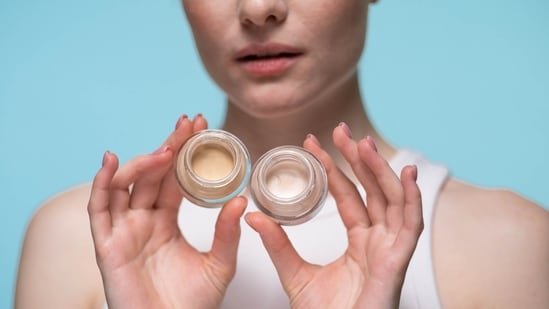
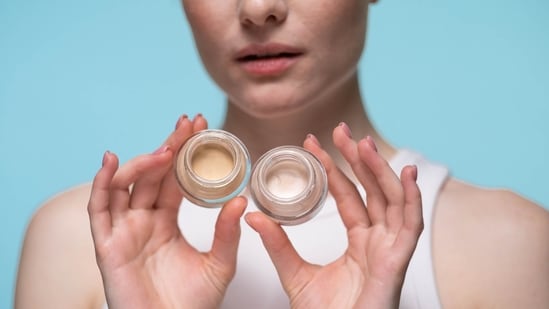

When it comes to achieving a flawless complexion, two popular makeup products often come into the spotlight skin tint and foundation. While both are designed to even out your skin tone and enhance your appearance, they serve different purposes and cater to different makeup preferences. Choosing between the two depends on factors such as your skin type, desired coverage, lifestyle, and the finish you’re aiming for. What skin tints and foundations are, their individual benefits, and the key differences to help you decide which product best suits your beauty routine.
What is a skin tint?
A skin tint is a lightweight complexion product that provides sheer to light coverage while allowing your natural skin to shine through. Unlike traditional foundation, it is designed to enhance rather than conceal, making it ideal for those who prefer a fresh, “no-makeup” makeup look. Many skin tints are infused with skincare ingredients such as hyaluronic acid, niacinamide, squalane, or SPF, making them a hybrid between makeup and skincare. They typically have a breathable formula that feels comfortable even during extended wear.
Benefits of skin tint
- Lightweight feel: Skin tints feel almost weightless on the skin, making them comfortable for daily use.
- Natural finish: They enhance your complexion without masking your skin’s natural texture.
- Hydrating formulas: Many skin tints contain moisturising ingredients that keep the skin nourished throughout the day.
- Quick application: They can often be blended effortlessly with fingers, a sponge, or a brush.
- Ideal for everyday wear: Perfect for casual outings, work, or days when you want minimal makeup.
- Suitable for beginners: Their forgiving formula makes them easy to apply without streaks or heavy buildup.
What is foundation?
Foundation is a complexion product formulated to provide medium to full coverage, helping conceal blemishes, redness, pigmentation, acne scars, and uneven skin tone. Available in liquid, cream, powder, and stick formulas, foundations offer a wide variety of finishes, including matte, satin, radiant, and dewy. Foundations are commonly used when a polished, long-lasting makeup look is desired, making them a staple for professional events, weddings, photoshoots, and special occasions.
Benefits of Foundation
- Higher coverage: Effectively conceals imperfections and creates an even complexion.
- Wide finish options: Available in matte, natural, satin, and luminous finishes to suit different preferences.
- Long-lasting wear: Many formulas are designed to last 8–24 hours.
- Buildable coverage: Can be layered from medium to full coverage without compromising the finish.
- Suitable for special occasions: Ideal for flawless makeup at events or for photography.
- Works well with full-face makeup: Provides a smooth base for contouring, highlighting, and other makeup products.
Which one should you choose?
The choice between skin tint and foundation depends on your personal preferences and makeup goals.
If you prefer a natural, effortless appearance with minimal coverage, a skin tint is an excellent option. It’s particularly suitable for people with relatively even skin who simply want to enhance their complexion while enjoying the added benefits of skincare ingredients. Skin tints are also ideal for warm weather and everyday wear due to their breathable texture.
On the other hand, if you want to conceal acne, pigmentation, redness, or other imperfections, foundation offers the coverage and longevity needed for a polished finish. It’s especially useful for formal occasions, long workdays, and events where makeup needs to last for several hours.
Many makeup enthusiasts keep both products in their beauty collection—using skin tint for everyday makeup and foundation when they need extra coverage or a more refined look.
Skin tint vs foundation: Key differences
At Hindustan Times, we help you stay up-to-date with the latest trends and products. Hindustan Times has an affiliate partnership, so we may get a part of the revenue when you make a purchase. We shall not be liable for any claim under applicable laws, including but not limited to the Consumer Protection Act, 2019, with respect to the products. The products listed in this article are in no particular order of priority.
