









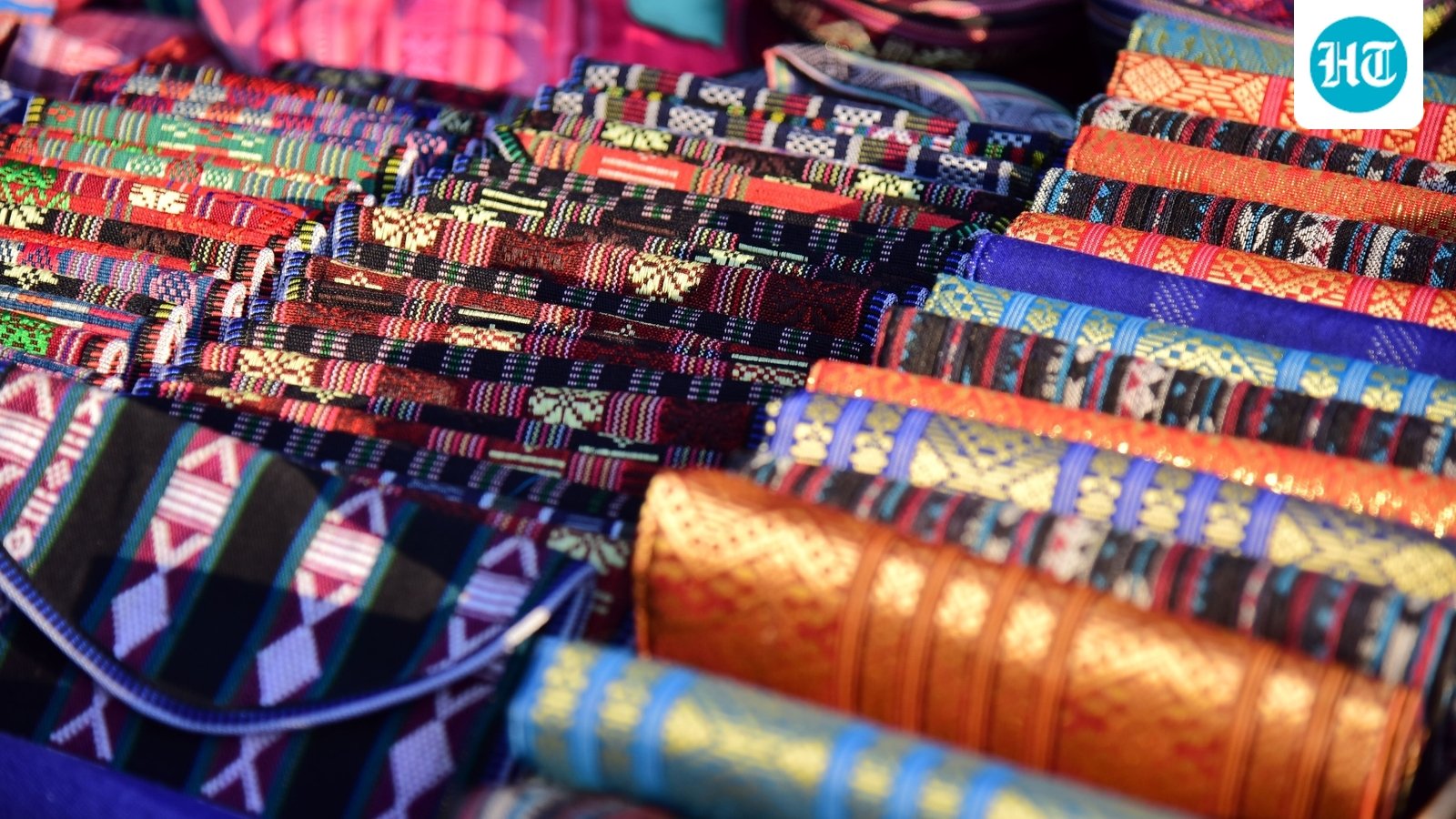
A nine-day Shilp Samagam Mela in Mysuru concluded on Monday, drawing thousands of visitors to the Dasara Exhibition Grounds and providing a marketing platform for artisans from 12 states and Union Territories. The next edition of the fair will begin in Guwahati on Wednesday, bringing together 75 artisans, including 31 women, to showcase around 40 varieties of traditional handloom and handicraft products.
Organised by the Union ministry of social justice and empowerment, the initiative seeks to strengthen market access, promote entrepreneurship and create sustainable livelihood opportunities for artisans belonging to Scheduled Castes (SCs), Other Backward Classes (OBCs), Safai Mitras and Denotified Tribes (DNTs).
The Guwahati fair will be held at Farm Gate, Khanapara, until October 28. It will remain open to visitors from 11am to 9pm, a senior ministry official said.
The Mysuru edition, which concluded on October 19, featured 83 stalls, of which 80 were allotted to artisans, including 37 women. Participants represented Andhra Pradesh, Bihar, Karnataka, Kerala, Rajasthan, Puducherry, Gujarat, Madhya Pradesh, Maharashtra, Telangana, Tamil Nadu and Uttar Pradesh. Food stalls serving traditional delicacies also attracted visitors.
The exhibition showcased a diverse range of products, including handloom sarees, spices, pickles, incense sticks, honey products, block-printed items, leather goods, wooden toys, bags, purses, terracotta products, artificial jewellery and rosewood wall hangings.
Union minister of state for social justice and empowerment Ramdas Athawale visited the Mysuru fair and inspected stalls displaying the products. Union social justice secretary Sudhansh Pant also visited the exhibition, interacting with stall managers and visitors during his two-day official visit to the city to review the ministry’s schemes and programmes with Karnataka’s social welfare department.
“The ministry continues to strengthen market access, encourage entrepreneurship and advance the economic empowerment of disadvantaged communities through such initiatives,” Pant said.
Rajnish Banker, deputy general manager of the National Backward Classes Finance and Development Corporation (NBCFDC), said the ministry had been organising Shilp Samagam fairs since 2022. A total of 975 artisans have benefited from 13 such fairs organised so far, he said, adding that the Mysuru edition was the first of the 2026-27 financial year.
The fairs are designed to complement financial assistance and welfare programmes with direct marketing opportunities, allowing artisans to sell their products to consumers, establish customer relationships and explore new markets. The ministry also uses the platform to disseminate information about its schemes and those of its three national corporations — the National Scheduled Castes Finance and Development Corporation (NSFDC), NBCFDC and the National Safai Karamcharis Finance and Development Corporation (NSKFDC).
A key component of the initiative is BHARAT TULIP (Traditional Artisans’ Upliftment Livelihood Programme), which aims to expand the reach of products made by beneficiaries through physical outlets and domestic and international e-commerce platforms. Branding products under the initiative is intended to improve their visibility and create additional sales opportunities.
The ministry facilitates artisans’ participation by providing free stalls and support for travel, transportation of goods, daily allowances and meals, including lunch and dinner.
Beyond Guwahati, additional Shilp Samagam fairs are planned in New Delhi’s Dilli Haat, Jodhpur and Lucknow during 2026-27. The ministry and its national corporations will also participate in the India International Trade Fair at Bharat Mandapam, New Delhi, from November 14 to 27, and the Surajkund Mela in Faridabad in February 2027.
The initiative aims to preserve India’s traditional craftsmanship while helping artisans convert their skills into sustainable sources of income.


