


Hair removal is a regular part of grooming for many people, whether through shaving, waxing, threading, bleaching or laser treatment. Smooth, hair-free skin feels polished, but frequent hair removal can come with its own set of repercussions. Body hair naturally exists for a reason, and repeatedly removing it may disrupt your skin health. You may have heard about gut microbiome as it is frequently mentioned in health discourse, but did you know your skin too has a microbiome that works to keep your skin healthy? Too much hair removal may affect the skin’s microbiome.
ALSO READ: Can your face get a workout too? Find out how this facial can help lift and tone skin
HT Lifestyle reached out to a dermatologist and a microbiologist, who shed light on how frequent hair removal can affect the skin, trigger flare-ups, infections and irritations, and what happens when the skin microbiome gets disrupted.
What are the risks to your skin barrier?
Dermatologist and aesthetic physician Dr Chandani Jain Gupta at Elantis Healthcare, New Delhi, explained that different methods of hair removal can compromise the skin barrier, making it easier for pathogenic bacteria to grow. Here are some ways the hair removal method irritates your skin:
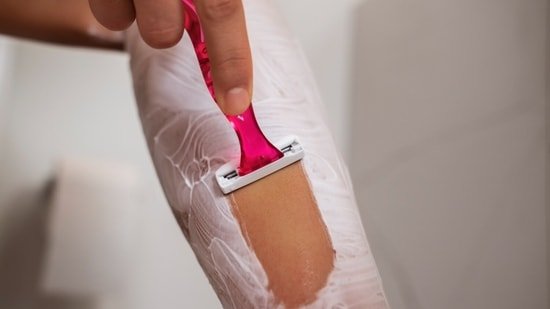
- Shaving: Minor cuts create friction on the skin, leading to irritation to the skin.
- Waxing/threading: Redness and irritation.
What happens after hair removal? The dermatologist observed that people with sensitive skin may experience problems such as rashes, folliculitis, acne-like bumps, dry skin, itchiness or increased skin sensitivity. Aside from irritations and infections, one is at risk of inflammatory skin conditions, too. However, if you are keen on safe hair removal, then Dr Gupta recommends, “Go for laser hair removal provided it is done safely by trained professionals. Laser hair removal is less likely to cause skin irritation than shaving, waxing or threading.”
What danger frequent hair removal pose to your skin microbiome?
Bringing in the perspective from the microbiology field, scientist Dr Debojyoti Dhar, co-founder and director at Leucine Rich Bio Pvt Ltd, decoded how repeated hair removal can affect the skin microbiome.
“The skin microbiome comprises bacteria, fungi, and other microbes whose function is to maintain a balance within the skin by regulating the processes of inflammation, hydration, and irritation. Hair follicles themselves serve as microenvironments that contribute to this balance. Disrupt the follicle often enough, and the surrounding microbial community feels it,” he explained.
This means your skin has a natural support system and when you frequently shave or wax, this system gets disturbed, making your skin more vulnerable to dryness, inflammation, irritation and sensitivity.
The microbiologist added that even pre-and post grooming exfoliation can remove the protective oils that beneficial microbes rely on. Shaving can introduce micro-abrasions that compromise the skin barrier, even when the skin looks unaffected, while waxing pulls hair from the root and triggers a degree of inflammation.
Protection
Both experts mentioned that aftercare is essential to protect the skin after hair removal. They recommended gentle cleansing, fragrance-free products, clean tools, frequent moisturisation, and enough recovery time between sessions, letting the skin recover.
Note to readers: This article is for informational purposes only and not a substitute for professional medical advice. Always seek the advice of your doctor with any questions about a medical condition.
