



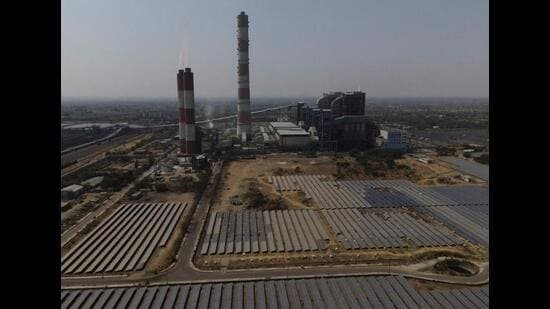
Though long delayed, India has approved enhanced climate targets for the 2031-2035 period under the Paris Agreement, raising its commitments on emissions, clean energy, and carbon sinks. It has also approved five qualitative goals, among them “climate-friendly and cleaner path of economic development”. India’s revised nationally determined commitments (NDCs) may seem modest given the progress already made. Trends suggest that the targets may be reached before 2035. Yet, they are significant for two reasons.


One, New Delhi, with its new NDCs, has restated its commitment to addressing the climate crisis when climate action is losing traction globally. The US, the largest historical emitter, has withdrawn from the global climate framework, and several developed nations are scaling back ambition. The intent shown by India, the world’s third-largest emitter after China and the US, (and its per capita emissions remain far below the global average), could help restart the conversation on recalibrating energy priorities and influencing the Global South to pursue a pathway to cleaner energy, with a focus on renewables and reduced emissions.
Two, the West Asia war has led to disruptions in fossil fuel supply chains, threatening energy security. Oil re-emerged as the preferred fuel in the second Trump presidency. This regress had to be staunched, and the energy concerns refocussed on non-fossil sources. Delhi’s promise to source 60% of its cumulative installed electricity capacity from non-fossil sources by 2035 — up from the earlier goal of 50% by 2030 — diverges from the narrative set by the US. India, which holds the BRICS presidency, could work on building a consensus for prioritising climate action among member nations. Science unambiguously points to the climate crisis; India must now build the case against climate deniers and campaign for mitigation.


