



The science of taste
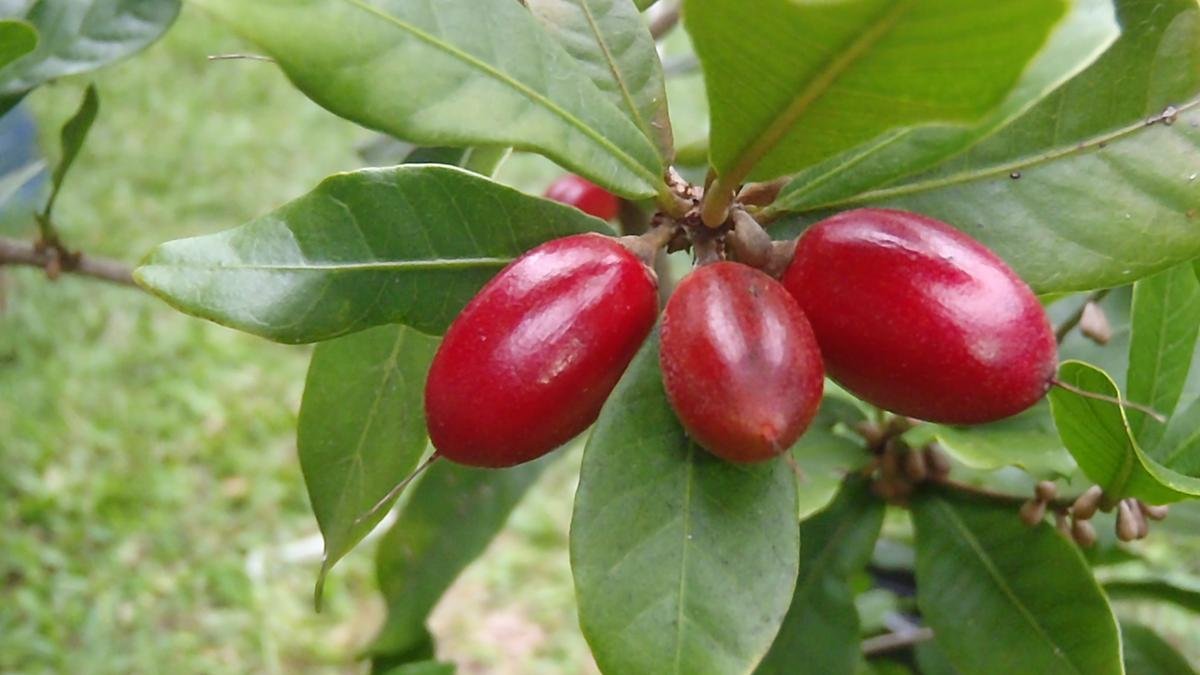
The Miracle Berry contains a compound called miraculin that binds to sweet receptors and can make acidic foods like lemon taste sweet for about an hour.
1 / 5 |
You don’t ‘taste’ most of what you call taste. Instead, a large share of the flavour comes from __________ smell, which is aroma moving from the mouth to the nose. This is why food can seem bland when you have a blocked nose. Fill in the blank.
2 / 5 |
Scientists used a pungent compound in chilli peppers called X to probe the receptor that produces the sensation of burning pain. The work led them to identify TRPV1, an ion channel that responds to noxious heat and capsaicin, and helped establish the modern molecular picture of how the nervous system detects temperature and pain. Name X.
3 / 5 |
There is some evidence that humans can taste fat, especially certain fatty acids, in a specific way that goes beyond texture and aroma, using dedicated receptors. This is why scientists have proposed the term ‘__________’ as a distinct taste quality. Fill in the blank with a word that means “oily taste” in Latin.
4 / 5 |
Many people with certain variants of the TAS2R38 gene, which is related to tasting bitterness, find compounds like phenylthiocarbamide and 6-n-propylthiouracil intensely bitter, and they often also report stronger sensations from some other foods. What is the colloquial term for such people?
5 / 5 |
When a small current is applied on the tongue, it can produce sour or metallic sensations because it changes the way ions flow and thus the local chemistry on the surface of the tongue. What is this phenomenon called?
Published – February 25, 2026 11:13 am IST


