


Rao, an MLC of the then ruling YSRCP, is accused of killing his former driver Veedhi Subramanyam, a Dalit, over a money dispute in May 2022 in Kakinada in Andhra Pradesg. He was arrested on charges of murder and atrocity under the Scheduled Castes and Scheduled Tribes (Prevention of Atrocities Act).
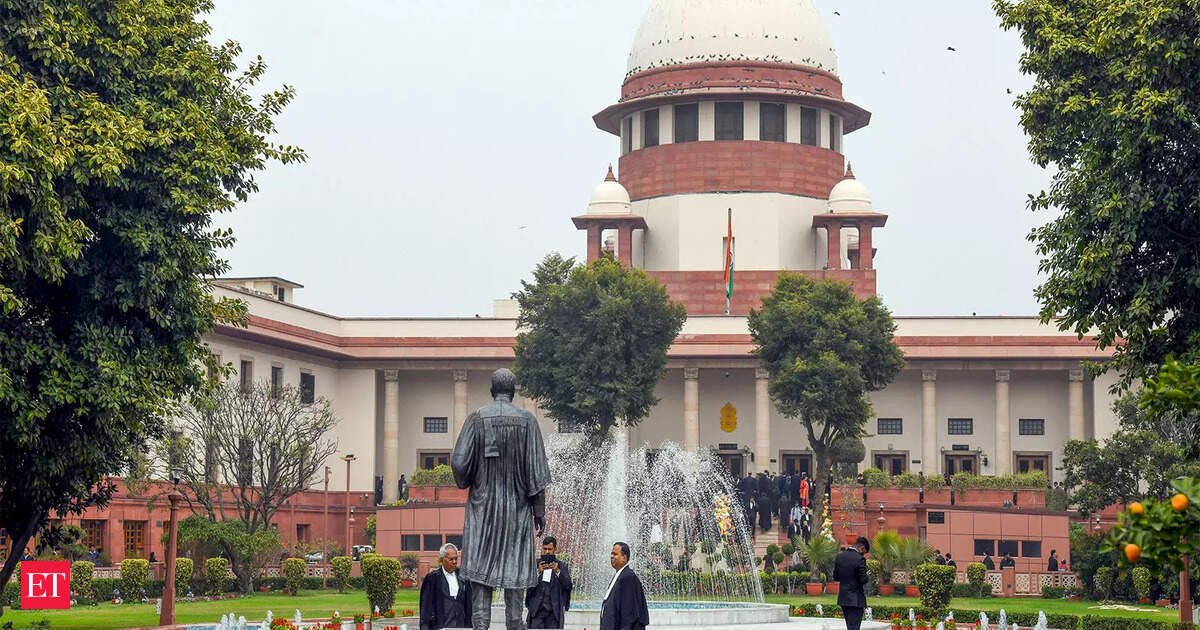
Passing a slew of directions with an aim to ensure that the probe and trial ends early, a Supreme Court bench headed by Chief Justice Surya Kant said in its strong comments, “This is a case of complete collusion and hobnobbing. It is a clear case of the nexus between power and police.”
The bench also comprised Justices Joymalya Bagchi and Vipul M Pancholi.
On September 26, 2022, the Andhra Pradesh High Court dismissed Rao’s petition seeking default bail in the high profile murder case. The high court said a chargesheet cannot be termed “incomplete” or “defective” simply because it was returned by a court for technical corrections or missing scientific reports.
On December 12, 2022, the apex court granted Rao interim bail, saying the accused cannot be kept in custody.
On Friday, the CJI-led bench perused the case records and said it was apparent that the state police was “hobnobbing” with the accused and yet he did not get bail from the high court.The bench asked the chief justice of the Andhra Pradesh high court to entrust the trial in the case to a senior judicial officer who can take up the matter at least once in a week.
While asking the state police to conclude the investigation in the case by March 31, it asked the trial court to complete the issues relating to framing of charges against the lawmaker by April 18, 2026.
The bench granted prosecution time till August 31 to conclude examination of its witnesses in the case.
While granting two months to the accused to lead defence evidence for two months, the bench asked the trial court to conclude the trial by November 30.
It restrained all the courts, including the high court, from passing any order which may lead to halting of trial.
The apex court asked the high court judge in charge of the district where the l will go on to ensure that its procedural directions are followed.


