





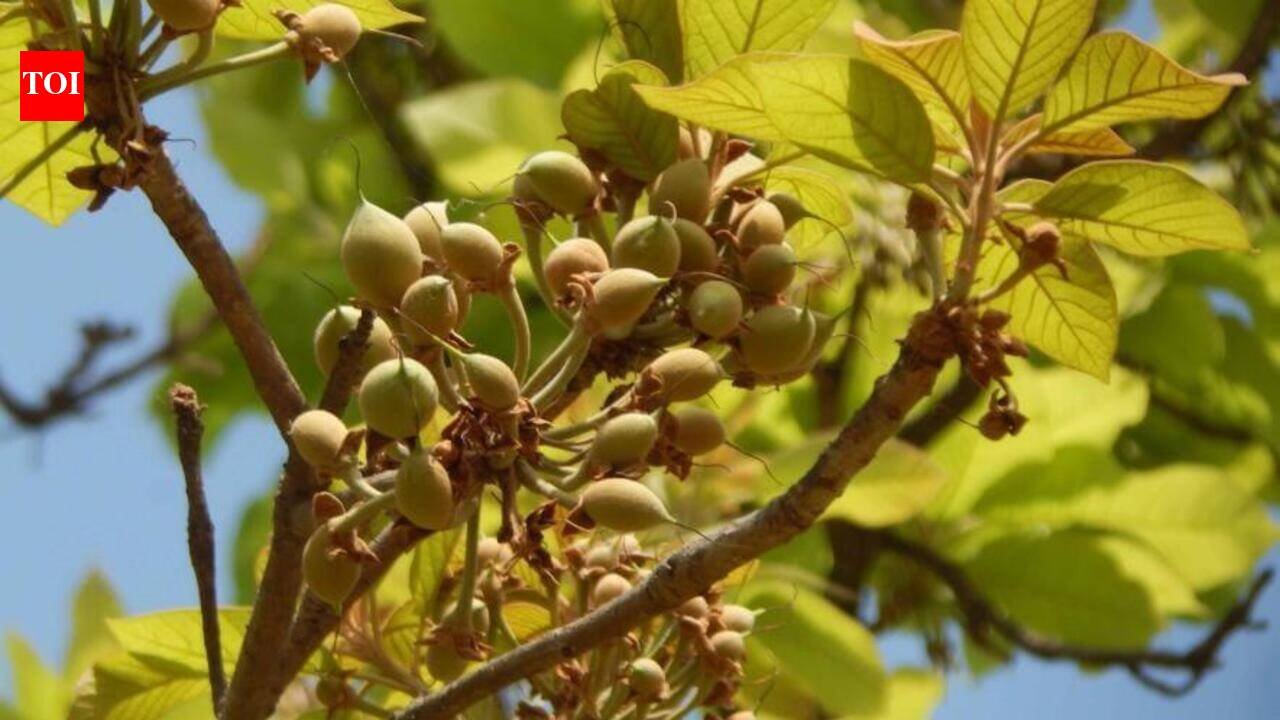
Gadchiroli: In the remote tribal villages of Gadchiroli, the Mahua flower has long been more than a seasonal forest produce. For communities living on the margins of the formal economy, it is a source of income and, in many places, a raw material for illicit liquor. A new campaign by the district administration is seeking to change that equation: “Make Ladoos from Mahua Flowers, Not Liquor.”The idea is simple but potentially transformative. Instead of allowing Mahua flowers to enter an illicit liquor economy, the administration wants them processed into ladoos, chikki, jam, squash, modak and other food products, creating a local economic chain that can benefit tribal households, particularly women.For a district once affected by Left-wing extremism and now trying to overcome poverty and geographical isolation with a slew of development projects, the significance extends beyond food processing. The proposed Mahua value chain could provide communities with an alternative source of livelihood, one rooted in a forest resource that is already locally available.As per district collector Avishyant Panda, Mahua has significant potential for economic value addition. “By linking tribal communities and women’s self-help groups with processing, branding and assured markets, we can create sustainable income opportunities while reducing the dependence on illicit liquor-making,” he said.The administration has identified market access as the critical link. Collecting Mahua and making products from it will have limited impact if tribal producers cannot sell them consistently. The plan, therefore, envisages connecting women’s self-help groups with institutional and local markets, while developing packaging, branding, quality control and the necessary FSSAI certification to make the products commercially viable.The proposed chain runs from collection and scientific drying to storage, processing, packaging and marketing. Modern dryers and storage facilities are also being considered so that the quality of the flowers can be preserved and producers are not forced to sell their produce immediately after collection.For women’s self-help groups, this could mean a shift from being collectors of a raw forest product to becoming entrepreneurs involved in processing and marketing. Training, equipment and technical support would be required to make that transition meaningful.The campaign’s roots go back to discussions held at a June 19 conference organised by Muktirpath and SEARCH, where the potential of creating alternatives to illicit Mahua liquor was discussed. Following these deliberations, the district administration constituted an 11-member district-level committee on July 23 to take the initiative forward. The committee has recently held its first meeting, focusing on developing a coordinated framework covering collection, processing, quality control, certification, packaging, branding and marketing.The nutritional dimension adds another layer. Mahua-based products could potentially be incorporated, subject to prescribed standards and procurement norms, into programmes linked with anganwadis, govt residential schools and nutrition initiatives.A sustainable Mahua economy cannot depend on a campaign alone. It will require reliable procurement, quality standards, working capital, processing infrastructure and, most importantly, buyers willing to return to these products.If those links are successfully established, Gadchiroli’s Mahua story could undergo a fundamental change. For some of the district’s most economically vulnerable tribal communities, the flower could evolve from a seasonal forest commodity into a source of enterprise, women’s income and greater economic resilience.Action Plan for Sensitive VillagesThe district-level committee has a stratagy for a village-wise action plan for areas where large-scale illicit country liquor is produced from mahua flowers. Alternative livelihood opportunities will be prioritised in these villages, with women’s self-help groups to receive training, technical guidance and equipment to make mahua-based laddoos, chikkis and other nutritious products, creating a viable alternative source of income.Linking Production With A Sustainable MarketThe district-level committee has planned to create sustainable market linkages for mahua-based products manufactured by women’s self-help groups. The products will be explored for supply, as per prescribed norms, to anganwadis, govt residential schools, the Amrut Aahar scheme and CLF centres. Regular market access is expected to provide SHGs with a steady income while supporting the district’s nutritional initiatives.Focus on Dryers and Modern Storage FacilitiesThe district-level committee has also planned to strengthen the collection, drying and storage of mahua flowers through modern infrastructure. Possibilities of establishing dryers, warehouses and processing facilities will be explored by converging schemes and funds available with the Forest Department, DTDS and District Mineral Foundation. The committee has stressed coordinated action among departments instead of fragmented implementation.From Laddoos and Chikkis to Jam, Squash and ModaksThe district-level committee is also planning to diversify mahua-based products beyond laddoos and chikkis, with jam, squash, modaks and other processed food products also being explored. Emphasis will be placed on nutrition, taste, hygiene and quality, along with FSSAI certification, attractive packaging and effective branding. The aim is to take SHG products beyond local markets and build a wider consumer base.


