



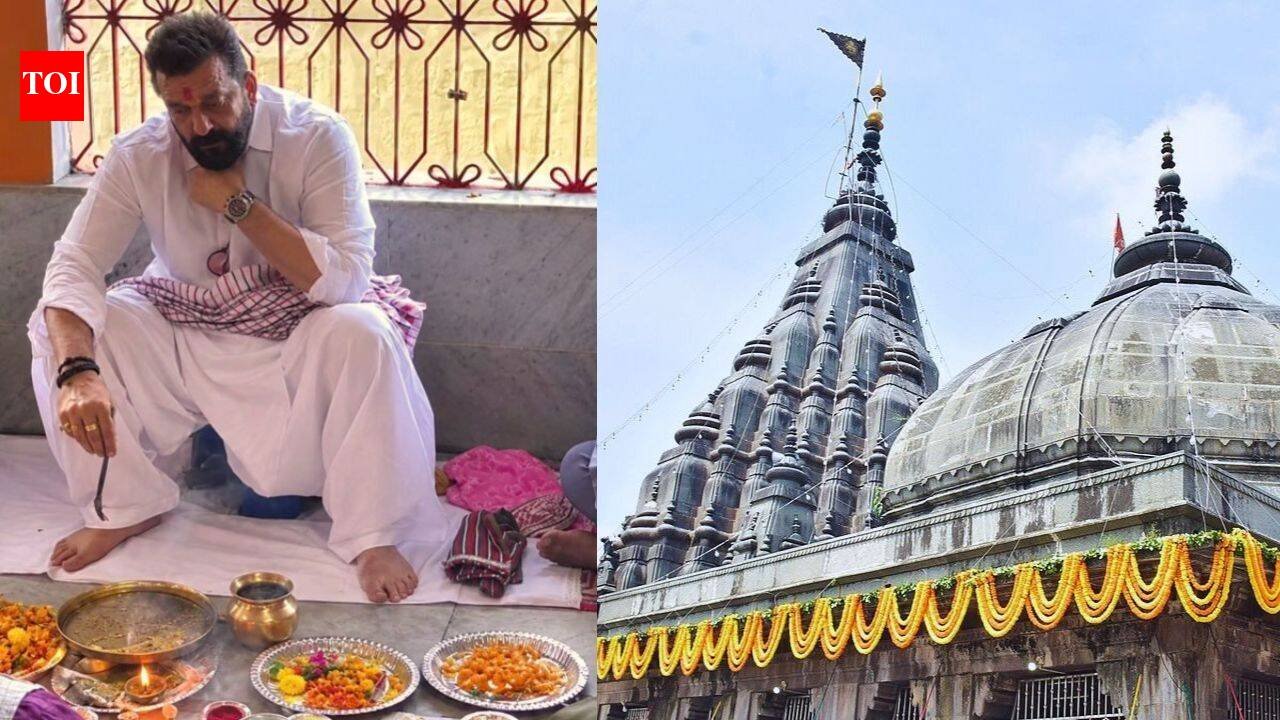
Sanjay Dutt’s recent visit to Gaya during Pitru Paksha has once again put the spotlight on one of India’s most important destinations for ancestral rituals. As per recent reports, the actor performed pind daan at Vishnupad Temple in Gaya for his ancestors. This is not the first time Dutt has undertaken the ritual there. In January 2024, he performed pind daan for his parents, Sunil Dutt and Nargis.But why does Gaya hold such importance for pind daan, what exactly does the ritual involve, and where can travellers perform it? Here is a complete travel guide to understanding and planning a Gaya pind daan pilgrimage.What is Pind Daan?According to the Bihar government’s official Pinddaan Gaya Ji portal, pind daan is a sacred ritual performed to offer peace, satisfaction and liberation to departed souls. Hindus perform this for their ancestors. It has been noticed that people from all over the world (non-Hindus) come here to perform the sacred ritual for the peace and liberation of the souls of their ancestors.In simple words, it is an ancestral rite in which offerings known as pindas are made as part of prayers and rituals for deceased family members. The practice is traditionally associated with shraddha and tarpan, through which devotees honour their ancestors.The procedure can vary according to family tradition and priests. In Gaya, rituals may involve offerings at sacred sites, recitation of mantras, tarpan and other prescribed ceremonies.According to the state’s official tourism site, there are 48 major sacred sites in Gayaji associated with pind daan.Why Gaya in Bihar is India’s most important destination for Pind DaanFor Hindus, Gaya is not just another temple town. It is regarded as a major Pitru Tirtha, a sacred destination associated with rituals for departed ancestors.The legend of Gayasur
अक्षयवट वेदी पर पिंडदान
The religious importance of Gaya is deeply connected with the legend of Gayasur. According to Hindu tradition, Gayasur was a powerful being whose penance earned him a boon associated with salvation. The legend says Lord Vishnu subdued him by placing his foot upon him, and the sacred footprint associated with Vishnu is believed to remain at Vishnupad.The Vishnupad Temple in Gaya is the city’s most important pilgrimage destination. The city is named after the legend of Gayasur. It also records the traditional belief that Lord Rama came to Gaya to perform pind daan for his ancestors.Another important tradition connects the site with Sita. Bihar Tourism identifies Sita Kund as the place where Goddess Sita is believed to have performed pind daan for her father-in-law, King Dashrath. The tradition of Sita’s pind daan remains part of the religious landscape of Gaya.Where can pind daan be performed in Gaya?Pind daan in Gaya is not restricted to one temple. Here are some important places:
Pind Daan (Instagram)
Vishnupad Temple:Located on the bank of the Falgu River, Vishnupad Temple is dedicated to Lord Vishnu. It is famous for the sacred footprint enshrined inside and is considered a major site for pind daan. The present temple structure was built in the 18th century under Queen Ahilyabai Holkar.Falgu River:The river and its ghats are central to Gaya’s ancestral rituals. The stretch from Dev Ghat to Pitamaheshwar along the river is considered important.Akshay Vat:The sacred banyan tree near the Vishnupad complex is another important part of the Gaya pilgrimage. Bihar’s official Pinddaan portal lists Akshay Vat among the principal pilgrimage sites, while the government’s Gaya district website describes the tree on the bank of the Falgu as sacred.Ramshila:Ramsheela near Panchayati Akhara is also considered as an important pind daan site. The wider religious tradition connects the location with Lord Rama.Pretshila:Located near Gaya, Pretshila is another important ancestral-ritual site. Bihar Tourism says the hill is associated with rituals for departed ancestors. At the base is Brahma Kund, where devotees traditionally take a ritual dip before performing pinda-daan.Sita Kund and Bodh Gaya-area vedis:The official list also includes Sita-related sites and several vedis in Bodh Gaya, including Matangvapi, Dharmaranya and Bodhitaru.Is pind daan performed only during Pitru Paksha?
‘साराभाई वर्सेस साराभाई’ फेम राजेश कुमार ने किया पिंडदान
Not really but Pitru Paksha is considered a significant period to perform this ritual. During this time, a large number of pilgrims go to Gaya, but the ritual is not limited exclusively to those dates.Pitripaksha begins with Bhadrapada Purnima and ends on Ashwin Amavasya, also known as Mahalaya. During this period, Gaya becomes a major pilgrimage centre for ancestral rituals.In 2026, the official Gaya Pinddaan portal lists the Pitrapaksha Mela from September 25 to October 10.How does a traveller plan a pind daan trip?
Smita Thackeray conducted ‘pind daan’ and ‘shraddh’ rituals at Vishnupad Temple in Gaya for her late family members.
For a first-time visitor, the easiest approach is to plan the ritual before arriving rather than trying to arrange everything after reaching Gaya.The official Pinddaan Gaya Ji website provides facilities for pilgrims, including information on panda ji, sacred vedis, accommodation, transport, medical facilities, police camps, parking and pilgrimage packages. During Pitru Paksha, the administration also operates a dedicated helpline and control-room system for pilgrims.How to reach GayaGaya is well connected by rail, road and air. The district administration says Gaya Junction has direct train services from major cities including New Delhi, Howrah, Mumbai, Chennai, Lucknow, Patna and others. The city also has its own international airport, while Patna provides another major air option.For travellers combining the pilgrimage with sightseeing, Bodh Gaya is an obvious addition. The Mahabodhi Mahavihara, a UNESCO World Heritage property, is one of the world’s most important Buddhist pilgrimage sites and is located near Gaya.Gaya is ultimately a destination where mythology, faith, family traditions and travel come together.Sources: Bihar Tourism and Gaya district administration’s official sources.
