


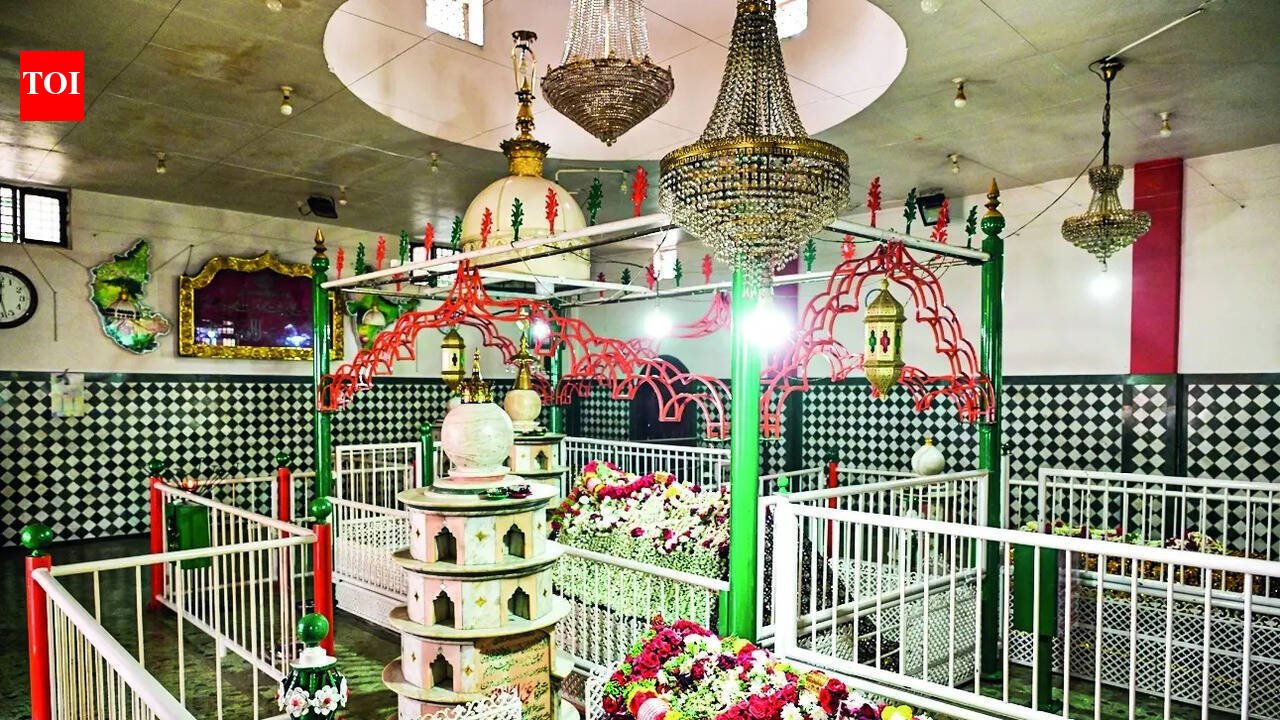
Beyond its tech corridors and fast-paced life, there exists a Bengaluru steeped in spiritual history. Among the many influences that have shaped the city’s cultural fabric, Sufism holds a gentle yet enduring presence, long predating Bengaluru’s modern identity.
The Hazrat Tawakkal Mastan Dargah in Cottonpet/Upparpet remains one of the oldest and most significant shrine in Bengaluru, till date
Saqlain, of Bengaluru Prayana
Heritage and HistorySufism in Bengaluru centres on three revered saints — Hazrat Tawakkal Mastan, Hazrat Manik Mastan and Hazrat Tipu Mastan — closely linked to Hyder Ali’s late 18th-century fortification works. “Evidence points to the 17th and 18th centuries as the period when major Sufi shrines and lineages became visible around the old fort and trading quarters. The Hazrat Tawakkal Mastan Dargah in Cottonpet/Upparpet remains one of the oldest and most significant in the city,” says Saqlain of Bengaluru Prayana.Jayamahal’s Sufi connectionAnother area closely associated with Sufism is Jayamahal. Even today, the fragrance of incense and flowers lingers in the air along Nandidurga Road, where several dargahs stand. “These shrines are located within a Muslim burial ground known as the Quddus Sahab Burial Ground. The area once extended up to the present government bungalows and stretched till Jayamahal Palace. As the city expanded, this space gradually shrank and is now confined to graveyards on either side of Nandidurga Road,” explains Saqlain. While the geography may have changed, the spiritual pull of these shrines remains intact. Devotees — cutting across faiths — visit to offer chadars, light incense, tie threads of hope and partake in simple community meals, keeping alive a tradition rooted in inclusivity and shared belief.
Sufi hubs in the city Key Sufi clusters in Bengaluru are located in and around Cottonpet/Upparpet, Chickpet, Avenue Road, OTC Road, KR Market, Ulsoor Gate and the old market belt. Oral histories and local accounts suggest that the dargah of Hazrath Naukullah Shah Qadri is among the oldest in the city, dating back to the 17th century. Even today, these neighbourhoods carry a distinct rhythm—narrow lanes lined with shops, the scent of incense in the air, and devotees stopping by shrines for a quiet moment of prayer.Soaking in the Sufi spirit through musicSufi devotional music, especially qawwali, remains a vibrant part of Bengaluru’s cultural fabric. During Urs celebrations at dargahs, live performances draw diverse audiences, creating a shared space of reflection and devotion. The tradition has also found a place beyond religious settings, with city venues hosting Sufi and fusion concerts. Whether in shrines or on stage, the music continues to offer a deeply immersive experience centred on themes of love, longing and the divine.
Did you know? The earliest recorded Sufi saint in Karnataka is Hazrat Sayyid Shah Hisamud-din Teighbarana (1301 CE, Gulbarga). In Bengaluru, Hazrat Syed Chanchal Burhunuddin Shah Khadri is among the oldest, with his 169th Urs in 2026. Legend says his prayers during a drought brought rains, saving the city.
