



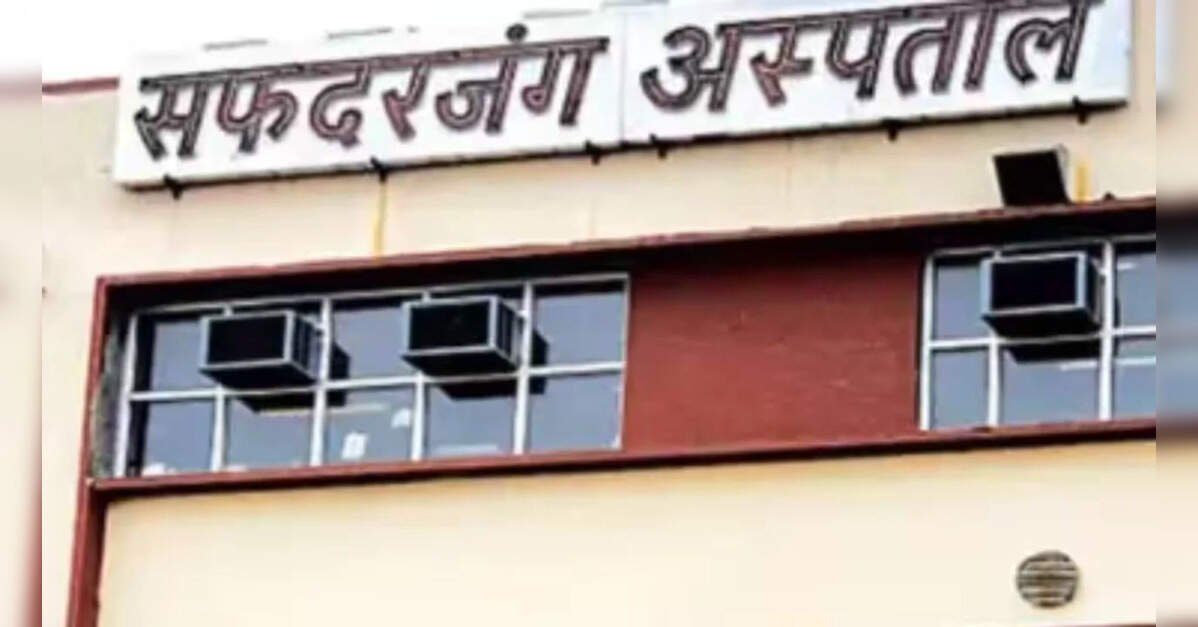
New Delhi: The Sports Injury Centre (SIC) at the Centre-run Safdarjung Hospital and the Sports Authority of India (SAI) on Friday signed a memorandum of understanding (MoU) to strengthen sports medicine, injury management, rehabilitation, research and specialised healthcare services for Indian athletes.
The MoU was signed in the presence of Union Health Secretary Punya Salila Srivastava and Sports Secretary Hari Ranjan Rao.
The collaboration aims to establish a coordinated model of athlete healthcare by combining the clinical expertise of the SIC with SAI’s nationwide athlete support network, a health ministry statement said.
According to the ministry, the partnership will focus on sports injury prevention, diagnosis, treatment, rehabilitation and sports science support to help athletes achieve and sustain peak performance.
The two institutions will also collaborate in sports science, medical education, capacity building, training and research. Joint research initiatives will seek to develop innovative treatment protocols, strengthen injury prevention strategies and promote evidence-based sports medicine practices, the statement said.
Addressing the event, Srivastava described the agreement as an important step in supporting India’s sporting ambitions and assured full support from the Health Ministry for the long-term partnership.
She said the ministry would examine ways to expand sports medicine facilities across the country and strengthen postgraduate education in the discipline to create a larger pool of specialists.
The Union health secretary also said the ministry would explore support for athletes’ specialised healthcare needs beyond orthopaedic injuries by involving institutions such as NIMHANS wherever required.
She further said newer AIIMS institutions would be encouraged to develop sports medicine facilities and prioritise athlete healthcare services, while stressing the need to identify research areas that can improve athlete performance.
Sports Secretary Rao said India needs to strengthen indigenous research in sports medicine and sports science as many existing protocols and scientific benchmarks are based on Western data, which may not always suit Indian athletes because of differences in body composition and physiology.
He emphasised the need to generate India-specific scientific evidence and develop indigenous protocols for athlete performance, injury prevention and rehabilitation.
Rao also suggested linking SAI’s Centres of Excellence with nearby medical colleges to facilitate specialised medical support, research and training, and described the MoU as “a significant step towards strengthening research, capacity building and evidence-based sports medicine for the long-term benefit of Indian athletes.”


