


LUCKNOW:
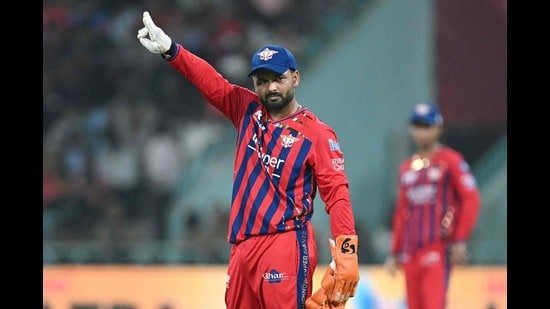
Playing for Delhi Daredevils in IPL 2018 (before it was renamed Delhi Capitals), Rishbah Pant had his best season in the league, scoring 684 runs to finish as the tournament’s second-highest run-scorer. An excellent strike rate of 173.60 apart, he also hit one century and five fifties.
He continued to excel with the bat in 2019 (488 runs) and 2024 (446) too. However, since his high-profile switch to Lucknow Super Giants in 2025 and appointment as skipper, his form has been average and the team too has disappointed. After finishing seventh in the first two seasons in IPL, LSG have ended last this time.
Its global cricket director, Tom Moody, has already indicated a reset in terms of Pant’s future with the side before the next season. His back‑to‑back seasons as LSG captain have been defined by high‑profile expectations, a worrying batting slump, and a team that has consistently underperformed despite big investments.
Pant’s tenure at LSG has exposed the gap between his reputation as a match‑winner and his ability to consistently deliver as a leader and run‑scorer.
In his first season leading LSG, Pant took over after KL Rahul left, the franchise having invested ₹27 crore to make him the then most expensive buy in IPL auction history. Yet, the team’s results were frustrating. Over two seasons under Pant, LSG have managed just 10 wins from 28 matches. They have suffered eight consecutive defeats at the Atal Bihari Vajpayee Ekana Cricket Stadium here since last year.
Pant’s own output has been a key talking point. His IPL aggregate stands at over 3,860 runs at an average of 33.61 and a strike rate of 146.79. However, since moving to LSG, he has scored only 581 runs across two seasons at a strike rate of around 137, below his long‑term benchmark and far removed from the explosive 174‑plus SR he once produced for DC.
Pant has only three half‑centuries in 21 innings since last season, underlining his struggle to anchor or accelerate. Inconsistent performances have eroded trust, damaged his decision‑making aura and increased pressure on the middle order.
Many former players have suggested that Pant might perform better as a pure batter if the captaincy burden is taken away, viewing his struggles as less about leadership and more about the cumulative weight of injuries, expectations and role‑shuffling.
One of Pant’s strengths has been his ability to destabilise the opposition in the middle overs, but at LSG he has often been the one slowing the tempo. In one recent high‑profile innings, he entered at 151/2 and made 35 off 23 balls, allowing LSG to fall 20–30 runs short of a competitive total, which encapsulates his struggles and how they have dragged the team’s scoring down.
This season, his own batting positions were criticised, especially promoting himself from No.4 to No.3, then to opener and back again as it disrupted the batting, forcing the management to shuffle others like Nicholas Pooran around him rather than cementing a clear finisher or anchor role.
This wasn’t all. The team’s fielding and bowling‑unit cohesion have often lacked sharpness, a confident edge a strong central figure can provide. With Pant not firing, LSG have effectively played high‑stakes cricket in a subdued fashion, leaving themselves short in close contests.
For LSG, retaining Pant as captain has proved a gamble while his X‑factor potential with the bat remains. However, his current numbers and the team’s struggles make the experiment increasingly hard to justify.
