



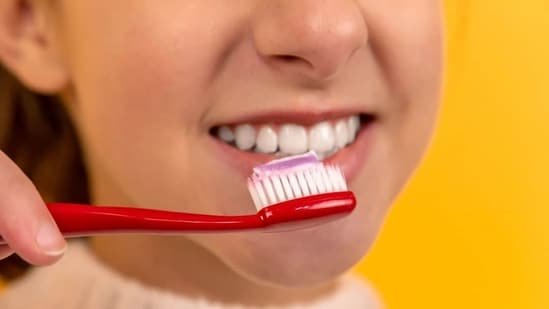
The baseline oral care is usually limited to brushing. Despite dentists recommending flossing, many people skip it and assume that brushing with any regular toothpaste is enough. But this is a common misconception, as not everyone has the same dental requirements, health conditions or oral care challenges. Oral hygiene is meant to be a personal routine, shaped by age, medical history, sensitivity, and even the ability to rinse and spit comfortably.
Let’s hear from a dentist and what they have to say. Dr Ghousia Begum S, senior consultant pediatric dentist (for children with special needs & palliative oral care), dental health care and research at Gharonda, Hosmat Hospital, Kalyan Nagar, told us that brushing your teeth should not be a mindless habit but rather must be personalised.
“Oral care has been treated like a universal routine, one toothpaste, one mouthwash, one way to brush. But real life tells a very different story,” Dr Begum said, suggesting how important it is to take into account the differences.
Here is a list of vulnerable people, as per the dentist, who need to modify their oral care routine as per their health needs:
1. Hospitalised or dependent patients
- For patients recovering after surgery, those in intensive care or people in palliative settings, even basic steps like rinsing and splitting may not be possible.
- In such cases, no-rinse oral solutions or caregiver-assisted routines may be needed.
2. People with neurological or developmental conditions
- People with neurological conditions, developmental disorders or cognitive impairments may find regular care products difficult to tolerate.
- Strong flavours, excessive foam or certain textures can trigger discomfort, gag reflexes or sensory overload.
3. People undergoing cancer treatment or long-term medical care
- Those undergoing cancer treatment, diabetes care or long-term medication may experience dry mouth, fragile gums or enamel erosion.
- Regular oral care products may not always be gentle enough for these concerns.
3. Teenagers with braces
- Require stronger enamel protection and more targeted cleaning support, as food particles and plaque can get trapped around brackets and wires more easily.
- Focus on oral care which your dentist recommends, such as an orthodontic toothbrush, interdental brush, fluoride toothpaste/mouthwash, and water flosser.
4. Elderly people with dry mouth or senstive gums
- Ageing can make oral tissues more delicate, while certain medicines may also cause dry mouth.
- Elderly people may benefit from gentler formulations that do not irritate sensitive gums or oral tissues.
5. Children with sensory sensitivities
- For children with sensory sensitivities, the foam, texture or strong mint flavour of toothpaste can become a barrier to brushing regularly.
- Softer textures, milder flavours and low-foam options may help make oral care easier.
6. People with limited hand dexterity
- People with limited hand movement may need better grip toothbrushes.
“Conversations around health are becoming more inclusive, and oral care is finally beginning to catch up,” the dentist shared, reminding that products should be easier to use and adaptable. If not, then it may not be effective.
Note to readers: This article is for informational purposes only and not a substitute for professional medical advice. Always seek the advice of your doctor with any questions about a medical condition.


