


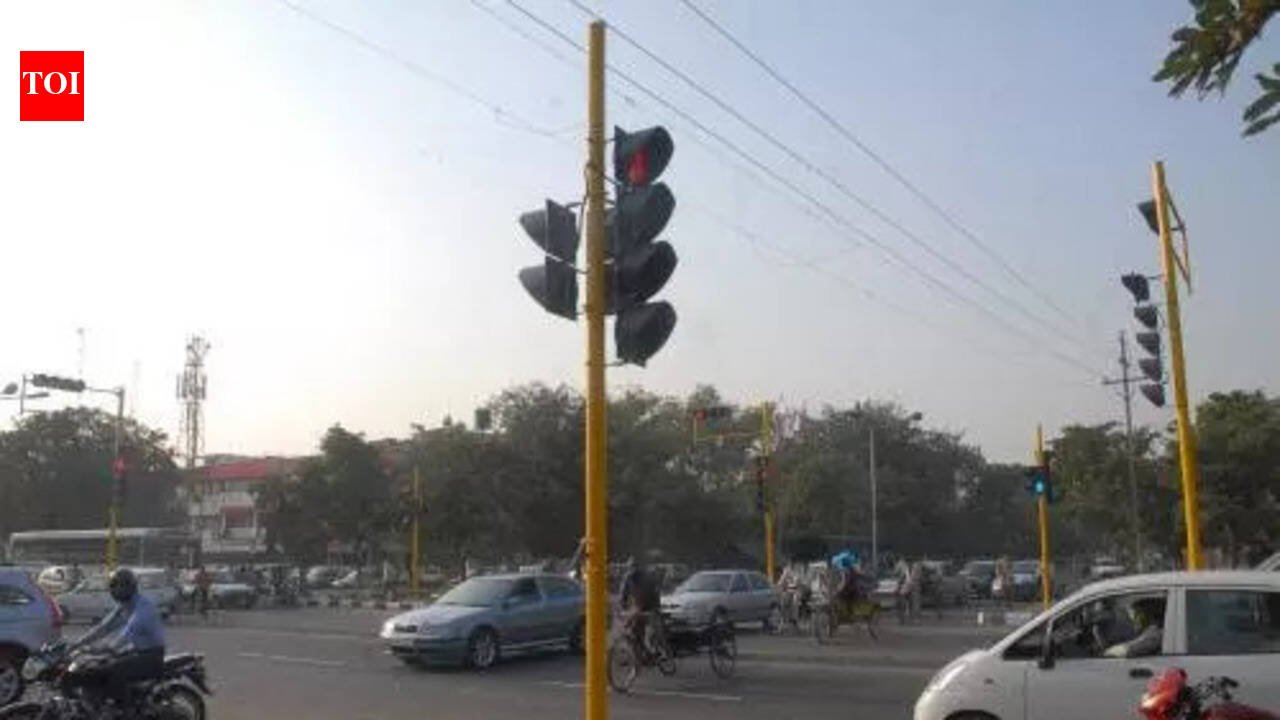
Chandigarh: The Chandigarh administration has launched an initiative to upgrade the city’s traffic management and lighting infrastructure, aiming to make these systems more resilient for both everyday operations and emergency situations. The move follows a series of technical challenges faced during last year’s Indo-Pak military tensions, particularly during Operation Sindoor in May 2025, when blackout protocols were enforced after air-raid alerts.Senior officials from the UT administration said the enforcement of blackouts proved difficult, especially in shutting down traffic signals, pelican crossings, blinker systems and streetlights across the city within the required timeframe. According to a senior official, it took longer than anticipated to deactivate all such systems once the blackout was mandated, exposing weaknesses and delays in the existing set-up during high-stakes situations.To address these gaps, the UT engineering department has issued an expression of interest (EOI) inviting consultancy firms to assist in developing, reviewing and finalising standardised approved makes and guaranteed technical parameters (GTP) for the city’s automatic traffic control (ATC) signals, pelican signals and blinker systems. The selected consultant will help shape specifications for future procurements, installations and maintenance, ensuring improved reliability and energy-efficiency.The review will cover traffic signal controllers—both centralised and decentralised—along with LED-based signal heads, vehicle and pedestrian detection sensors, poles, cables, junction boxes and related communication infrastructure. Officials said the objective is to ensure that all systems operate seamlessly under normal conditions and respond swiftly to central commands during emergencies.Chandigarh already operates an advanced Intelligent Traffic Management System (ITMS) and Adaptive Traffic Control System (ATCS), both monitored through the Integrated Command and Control Centre (ICCC) in Sector 17. The ICCC, inaugurated on March 27, 2022, by Union home minister Amit Shah under the Smart City Mission at a cost of about Rs 200 crore, integrates more than 1,000 cameras used for AI-driven surveillance, automated enforcement and real-time traffic monitoring.The ATCS is currently active at 40 major junctions. Using detectors that collect round-the-clock vehicle density data, the system automatically adjusts signal timings to reduce congestion. Officials noted that the system has significantly cut the need for manual intervention and reduced average waiting times by up to 50%. Plans are underway to expand the ATCS network to all 109 junctions across Chandigarh.Beyond junctions, the administration is also deploying nearly 2,000 AI-powered surveillance cameras across 287 locations, including entry and exit points, schools and hospitals. This expanded network is expected to strengthen traffic enforcement, crime prevention and emergency response.Officials said the proposed upgrades are intended to build on existing systems to improve integration, centralised monitoring and quick response capabilities—key lessons drawn from the operational challenges experienced during Operation Sindoor. MSID:: 128389303 413 |


