



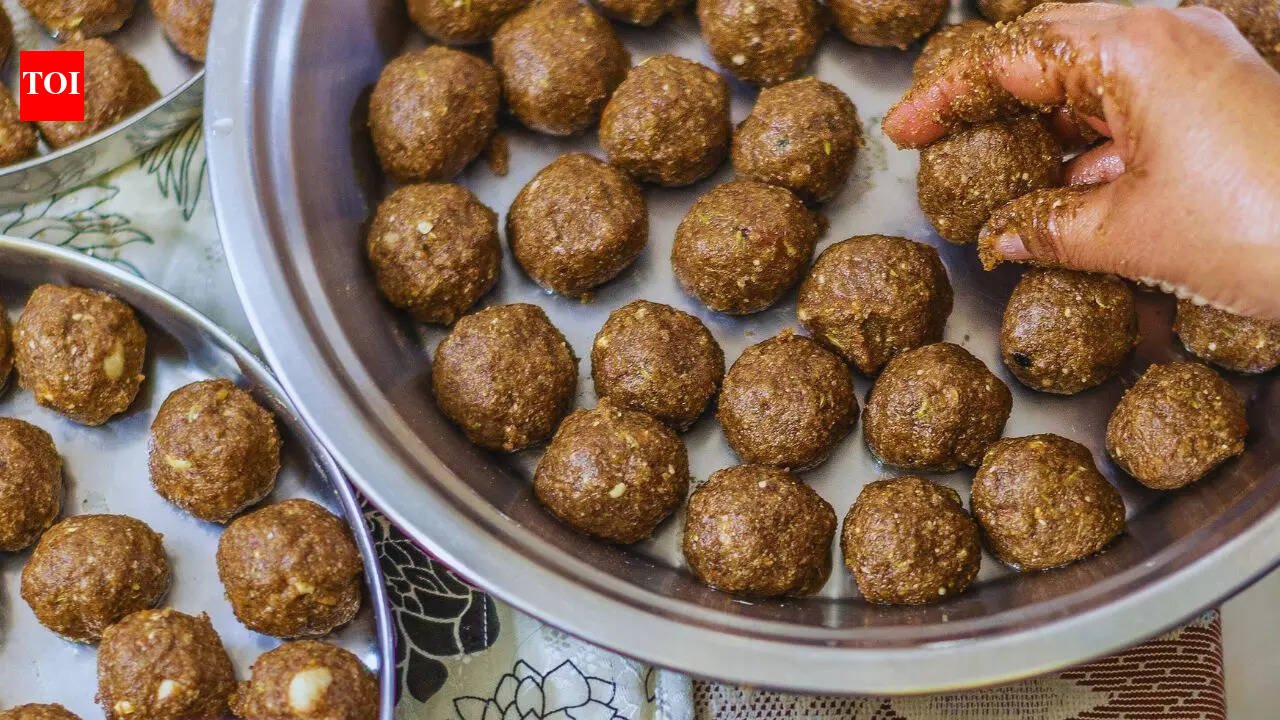
In Indian food traditions, sweets were never meant to be eaten simply for pleasure. They were part of a larger nutritional logic. Sweetness was used to carry nourishment, to build strength, and to provide energy that could sustain physical work and long days. Ragi and sattu laddus come from that older understanding, where taste and function were closely linked. Ragi, or finger millet, remains one of the most nutritionally dense grains commonly used in Indian kitchens. Its calcium, iron, fibre, and complex carbohydrates give it a role that goes beyond basic calories. It supports bone health, contributes to muscle function, and helps maintain more stable energy levels. These are not secondary benefits. They are the reason ragi has held its place in traditional diets for generations.
Sattu, prepared from roasted Bengal gram, brings a different kind of nutritional strength. Its high plant protein and fibre content make it filling, which is why it has long been used as a sustaining food. In many regions, it is also valued for its cooling nature. That reputation did not emerge by accident. It reflects long-standing observation of how the body responds to it, particularly in hot weather and physically demanding conditions.Lavleen Kaur, Chief Dietitian & Founder, Santushti Holistic Health & Healing, says, “When ragi and sattu are combined, the laddu itself changes character. It is no longer just a sweet. It becomes something closer to a compact, energy-supporting food. Unlike refined confections that often lead to a quick rise in blood sugar followed by a noticeable drop, these laddus tend to support a slower release of energy. In everyday terms, people usually feel steady for longer, without the familiar crash that follows many packaged sweets.““Ragi laddus are commonly included in diets for women, children, and older adults, largely because of their calcium contribution and overall nutrient density. Sattu laddus, by contrast, are more closely tied to food habits in warmer regions, where their cooling quality and association with strength and stamina are particularly valued. Both types fit easily into daily routines. They can be eaten mid-morning, after physical activity, or occasionally as a sweet that does not disturb overall dietary balance,” she adds.
The way these laddus are prepared matters as much as the core ingredients. Using jaggery instead of refined sugar is a deliberate choice, not a cosmetic one. Jaggery contributes trace minerals and is generally gentler on digestion. Ghee, when used in sensible amounts, improves nutrient absorption and helps make the laddus more satisfying. Nuts and seeds such as almonds or sesame are often added, not just for flavour, but to increase the nutritional depth without making the laddus excessively heavy.“These are dense preparations. A small portion is usually enough. That detail reflects a broader principle that guided traditional sweet-making. Sweets were designed to satisfy and nourish in limited quantities. They were not intended to be eaten mindlessly or in large volumes,” says Lavleen.
What ragi and sattu laddus ultimately reflect is a food culture in which flavour was expected to serve a nutritional purpose. Enjoyment mattered, but it was rarely separated from function. That way of thinking can feel distant today, especially with packaged desserts shaping everyday habits. In that context, returning to traditional preparations is not about giving up sweetness. It is about choosing a different kind of sweetness. One that still feels rewarding, but that also supports the body in quieter, longer-term ways. Not restriction; not denial. Simply a shift in what is treated as a treat.Here’s how to make these delicious laddus. Ingredients:1 cup ragi flour1 cup chana sattu1/2 cup cow ghee1 cup jaggery1 tsp cardamom powder 1 cup roasted crushed mixed nuts2 tsp kesarMilk as requiredMethod:In a pan dry roast ragi and keep aside. In a pan add 1 cup water and allow it to boil. Now add the jaggery and melt it. Soak kesar in half a cup milk and keep aside. Now take a large plate or vessel and add the ragi, sattu, melted ghee and jaggery liquid along with the roasted nuts and cardamom powder. Add the kesar milk. Mix well and add a little milk for binding if required. Make laddus and have them with milk daily.


