



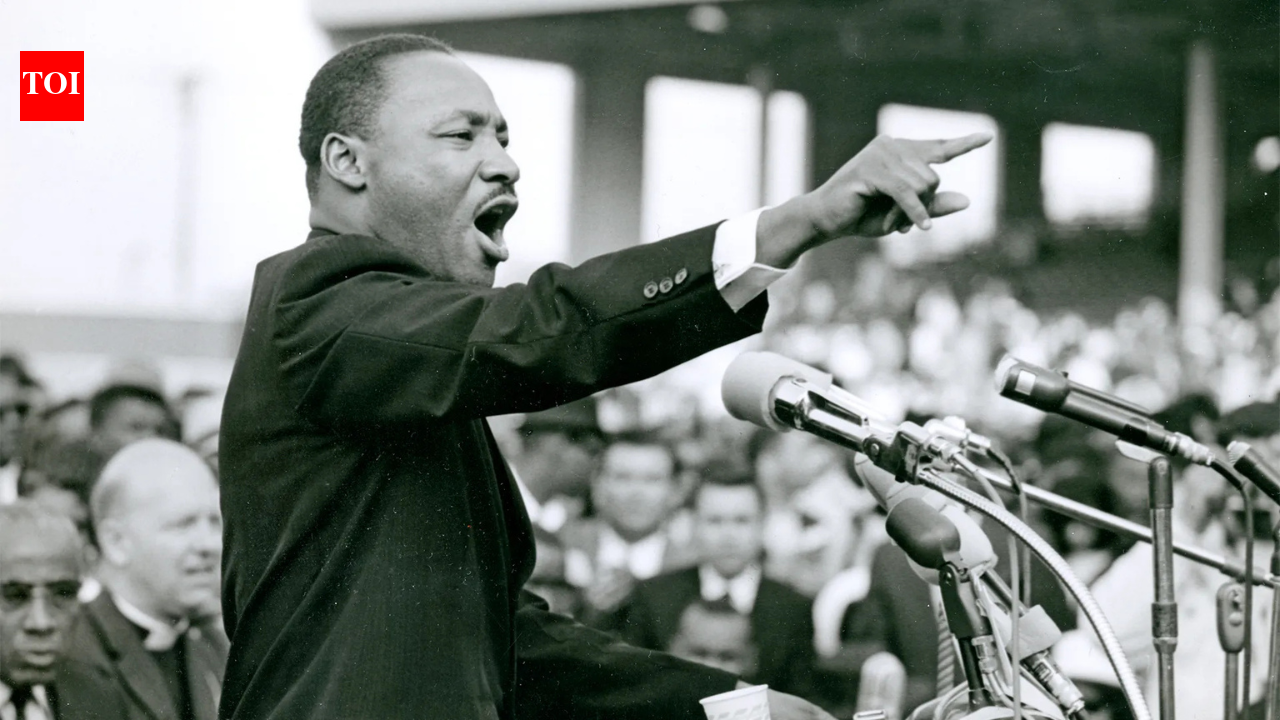
Few quotes have stood the test of time as powerfully as Martin Luther King Jr.’s words: “Darkness cannot drive out darkness; only light can do that. Hate cannot drive out hate; only love can do that.” Spoken during one of the most turbulent periods in American history, the quote continues to resonate across cultures and generations. It reflects King’s unwavering belief that compassion, understanding and nonviolence are stronger forces than anger and revenge. Whether applied to personal relationships, social conflicts or global challenges, the message encourages people to rise above hostility rather than mirror it. Decades after it was first shared, the quote remains a reminder that lasting peace and meaningful change begin with the choices individuals make every day.
Quote of the day by Martin Luther King Jr.
“Darkness cannot drive out darkness; only light can do that. Hate cannot drive out hate; only love can do that.”This quote is among the most recognised statements by Martin Luther King Jr. It captures the philosophy that defined his leadership during the American Civil Rights Movement. Rather than responding to injustice with violence or hatred, King believed that courage, empathy and nonviolent action had the power to transform societies. The message is simple yet profound, suggesting that destructive emotions cannot eliminate more destruction. Instead, positive values such as love, compassion and justice are the only forces capable of breaking cycles of conflict.
What is the meaning behind the quote?
At its heart, the quote teaches that responding to negativity with more negativity only strengthens the problem. If someone reacts to hatred with hatred, the result is often greater division and resentment. King argued that real progress comes when individuals choose understanding instead of revenge and dialogue instead of violence.The symbolism of “darkness” and “light” extends beyond literal meanings. Darkness represents ignorance, fear, prejudice and cruelty, while light symbolises hope, truth, kindness and wisdom. Likewise, hate stands for bitterness and hostility, whereas love reflects empathy, forgiveness and respect for human dignity. By contrasting these ideas, King reminds readers that constructive actions are far more effective than destructive ones.
The historical context behind the quote
Martin Luther King Jr. delivered this message during the height of the Civil Rights Movement, when racial segregation and discrimination were deeply entrenched in the United States. African Americans faced widespread inequality, and peaceful demonstrators were often met with violence, arrests and intimidation.Despite these circumstances, King consistently advocated nonviolent resistance, drawing inspiration from Mahatma Gandhi’s philosophy of peaceful protest. Through marches, speeches and acts of civil disobedience, he sought to expose injustice without encouraging retaliation. His belief was that responding with dignity and restraint would ultimately appeal to the conscience of society and lead to meaningful reform.This approach helped shape some of the most significant civil rights victories in American history and continues to influence movements for justice around the world.
Why the quote remains relevant today
Although the quote was spoken decades ago, its message feels remarkably relevant in today’s world. Social media arguments, political polarisation, religious tensions and conflicts between communities often demonstrate how easily hostility can escalate when people respond to anger with more anger.King’s words encourage a different path. They remind people that respectful conversations, empathy and understanding create opportunities for reconciliation, while insults and revenge usually deepen divisions. The quote also applies to everyday life, where disagreements among friends, family members or colleagues can often be resolved more effectively through patience and compassion than through confrontation.In a world where opinions can quickly become polarised, the quote continues to serve as a timeless guide for handling conflict with maturity and wisdom.
Lessons readers can apply in everyday life
One of the reasons this quote has endured is that its lessons are practical as well as inspirational.Choosing kindness during disagreements can prevent small conflicts from becoming larger disputes. Listening before reacting helps build understanding rather than misunderstanding. Forgiveness, although often difficult, can free people from carrying resentment that affects their own wellbeing. Even small acts of compassion, such as offering support to someone in need or treating others with respect despite differences, contribute to creating a more positive environment.King’s message does not suggest ignoring injustice or accepting harmful behaviour. Instead, it encourages confronting problems with integrity, self-control and a commitment to solutions rather than revenge.
Martin Luther King Jr.’s enduring legacy
Martin Luther King Jr. remains one of the most influential advocates of equality and human rights in modern history. His leadership helped inspire landmark civil rights legislation in the United States, including measures that challenged racial segregation and protected voting rights.Beyond his political achievements, King’s speeches and writings continue to inspire educators, activists, students and leaders across the globe. His famous “I Have a Dream” speech and many of his quotes remain widely studied because they address universal themes such as justice, hope, courage and human dignity.


