


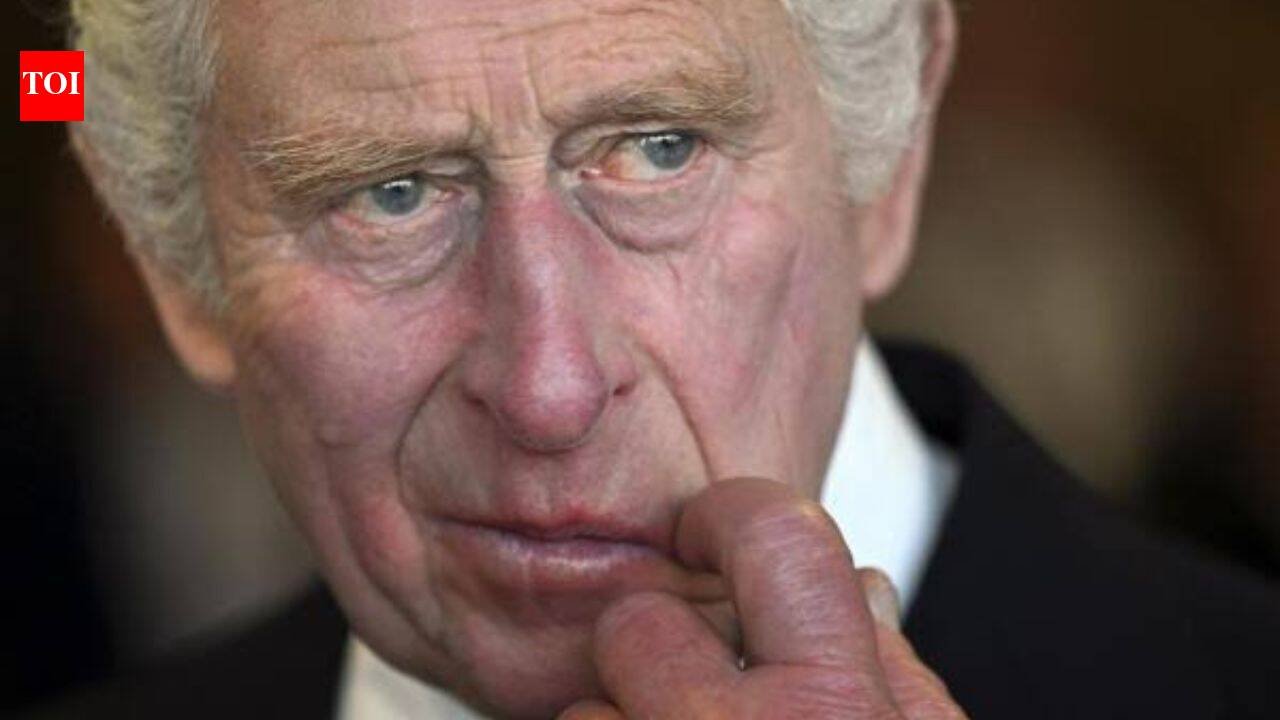
Staying neutral often feels like the safer option, in workplaces, in public life, in almost any situation where a strong opinion might invite criticism. King Charles III, speaking as Prince of Wales, described the opposite instinct with a self-deprecating joke. “I’m a dangerous person because I mind about things,” he said. He was not describing literal danger. He was pointing out that genuinely caring about something, enough to speak up about it, tends to unsettle people who would rather things stayed quiet, a tension he lived with directly for decades before he ever became king.
Quote of the day by King Charles
“I’m a dangerous person because I mind about things”
What is the meaning behind the quote by King Charles
The word doing the real work here is “mind,” meaning to care deeply, to actually pay attention rather than staying comfortably indifferent to whatever is happening around you. Charles is suggesting that people who genuinely care are often the ones willing to question familiar habits and raise issues other people would rather leave alone. Calling that “dangerous” is the joke. The underlying point is serious, that real concern for something can unsettle exactly the kind of complacency that lets problems sit unaddressed.
Why this quote sits inside a genuinely contested history
This is worth being honest about. As Prince of Wales, Charles spent decades publicly campaigning on organic farming, architecture and environmental protection, activism that produced real controversy alongside genuine praise. In 2015, after a long legal battle, the government released what became known as his “black spider memos,” private letters he had sent to ministers on issues including badger culling, fish protection and the preservation of historic buildings. Critics argued this amounted to inappropriate lobbying by an unelected heir to the throne, someone constitutionally expected to remain above day-to-day politics.Charles addressed this directly in a 2018 BBC documentary marking his seventieth birthday, telling interviewers plainly that his public campaigning would stop once he became king. “I’m not that stupid,” he said, when asked whether he would keep speaking out. “I do realise that it is a separate exercise being sovereign, so of course I understand entirely how that should operate.” That admission matters for understanding today’s quote properly. It was not a simple celebration of speaking out regardless of consequence. It came from someone who later acknowledged, in his own words, that the role of monarch genuinely requires a different kind of restraint, a restraint that stands in real tension with the exact instinct the quote is describing so warmly.
Why caring about something can actually drive real change
Most meaningful improvements start with someone noticing that a situation could genuinely be better. People who care about clean rivers end up campaigning for environmental protection. Teachers who care about their students push for better resources. Doctors who care about public health work to strengthen the systems around them. Progress rarely comes from simple indifference. It tends to come from people who believe change is actually possible and worth the effort of pursuing.
Why strong convictions tend to attract criticism
History is full of figures who faced real scepticism for ideas that later became widely accepted. Charles spoke publicly about environmental sustainability decades before it became a mainstream global concern, and that early advocacy did genuinely draw criticism at the time, from people who saw it as unnecessary or presumptuous, exactly the kind of reaction the quote is describing.
Why caring deeply still needs humility attached to it
Caring about an issue does not mean assuming you are automatically right about every part of it. Genuinely useful advocacy requires listening as well as speaking, and staying open to evidence and other perspectives rather than simply pushing one fixed view. That balance, and whether Charles always struck it perfectly during his years of public campaigning, remains something reasonable people can and do disagree about, and the debate itself is really an illustration of the exact tension the quote is describing.
Why simple indifference tends to leave problems unsolved
When people stop caring, problems generally stay exactly where they were, unaddressed and quietly worsening. Communities improve because volunteers actually give up their time. Charities exist because someone decided a particular cause mattered enough to act on. The quote is really arguing for genuine engagement over passive observation, whatever specific form that engagement ends up taking.
Why this idea applies well beyond royal life
Although Charles was speaking about his own very particular public role, the same basic idea applies just as well in ordinary life. Parents genuinely care about their children’s future. Employees care about making their workplace better. Neighbours care about the state of their own community. Showing real concern about something has never really been a weakness. It is usually the actual first step toward improving whatever the problem is.
Other memorable quotes by King Charles
- “As human beings, we suffer from an innate tendency to jump to conclusions; to see something as obvious, even when it’s not.”
- “Climate change is the greatest threat facing humanity.”
- “Harmony with nature must become central to the way we live.”
- “The greatest gift one generation can leave to another is a healthy environment.”
Why this quote remains relevant today
Complex problems, environmental sustainability among them, cannot be solved through simple indifference. Charles’s remark is a reminder that genuine concern is not something that needs apologising for, even when it invites disagreement along the way. Whether his own particular approach to expressing that concern was always the right one for someone in his position remains a fair, open question, and it is a question the man himself has directly acknowledged in his own words. The underlying instinct behind the quote, that caring enough to speak up matters, still holds up regardless of how that specific debate gets settled.
