







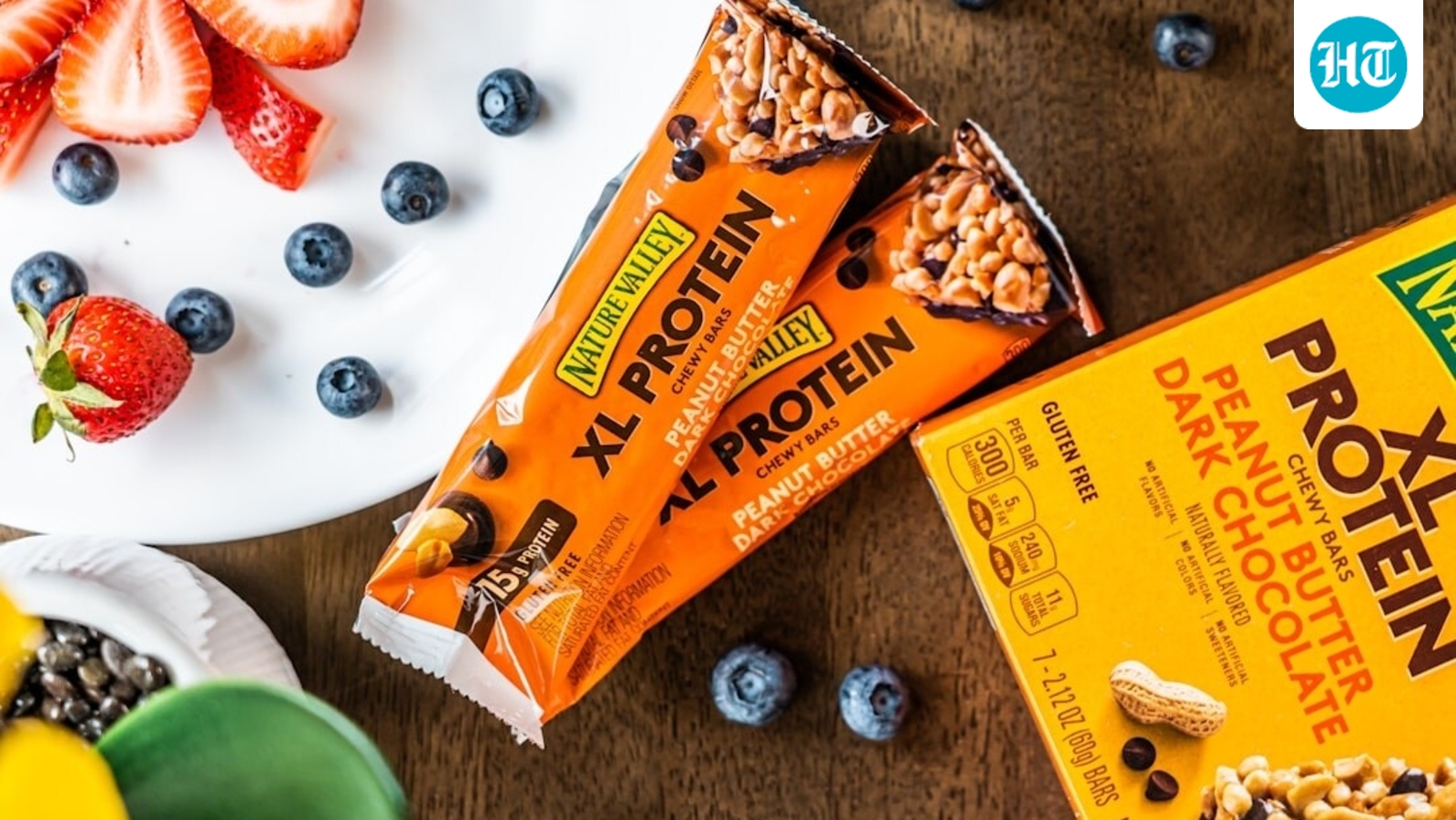
Lately, protein has become the oxygen for everyone, just can’t live without it. From cookies, attas, and chips to even water, everything is being sold as ‘protein-packed’. But the question is: is it just a claim, or is it enough to make the snack a perfect protein-rich option? In an interview with HT Lifestyle, Madhura P Behki, nutrition expert at Cult Fit, breaks it down.
Also read | Could eating less protein help you live longer? New review of 350 studies suggests surprising health benefits
Are protein-infused foods worth the hype?
According to Madhura, protein is an essential nutrient, but protein-infused food is not always a healthy choice. Protein plays several important roles in the body. From helping build and repair muscles to supporting immunity, keeping us feeling full for longer, to helping maintain strength as we age, and so on.
“When I see my favourite actor consume protein and a dream body, as a user, I’m automatically drawn towards following the same trend, and this is what the food industry has used as a lever to add protein in each product,” said Madhura.
Now, there are plus points to this protein addition, too, as they may help when:
- You have a busy schedule and cannot prepare meals
- You need a quick post-workout option
- You struggle to meet your daily protein requirements
- You are travelling frequently
- Older adults have a poor appetite and need convenient protein sources
She highlighted that a well-formulated protein snack with adequate protein, low added sugar, and reasonable calories can be a better option than a regular candy bar or deep-fried snack. However, this positive impact can sometimes lead to a negative outcome as well. Like when a single positive feature leads us to assume the entire product is healthy.
For instance, a protein choco chip cookie contains 10 g of protein and 3 g of fibre, and 10 g of refined sugar, while roasted chana and curd contain 10 g of protein and 8 g of fibre. Even though the cookie contains protein, it may also contain refined flour, added sugars, saturated fat, and very little fibre. The roasted chana and curd combination provides similar or better protein along with fibre, calcium, and better overall nutrition.
How to read the nutritional label?
A simple 3-step check can help you decide whether a protein-infused food is worth buying.
1. Check the protein amount
Look for 7g to 10g or more of protein per serving.
2. Check added sugar
Choose products with less than 5g of added sugar per 100g whenever possible.
3. Check fibre
Aim for at least 3g fibre per serving. Fibre helps with fullness, digestion, and blood sugar control.
4. Also, read the ingredient list
If the first few ingredients are sugar, glucose syrup, maltodextrin, or refined wheat flour (maida), the product is likely more of a processed snack than a health food.
Note to readers: This article is for informational purposes only and not a substitute for professional medical advice. Always seek the advice of your doctor with any questions about a medical condition.


