









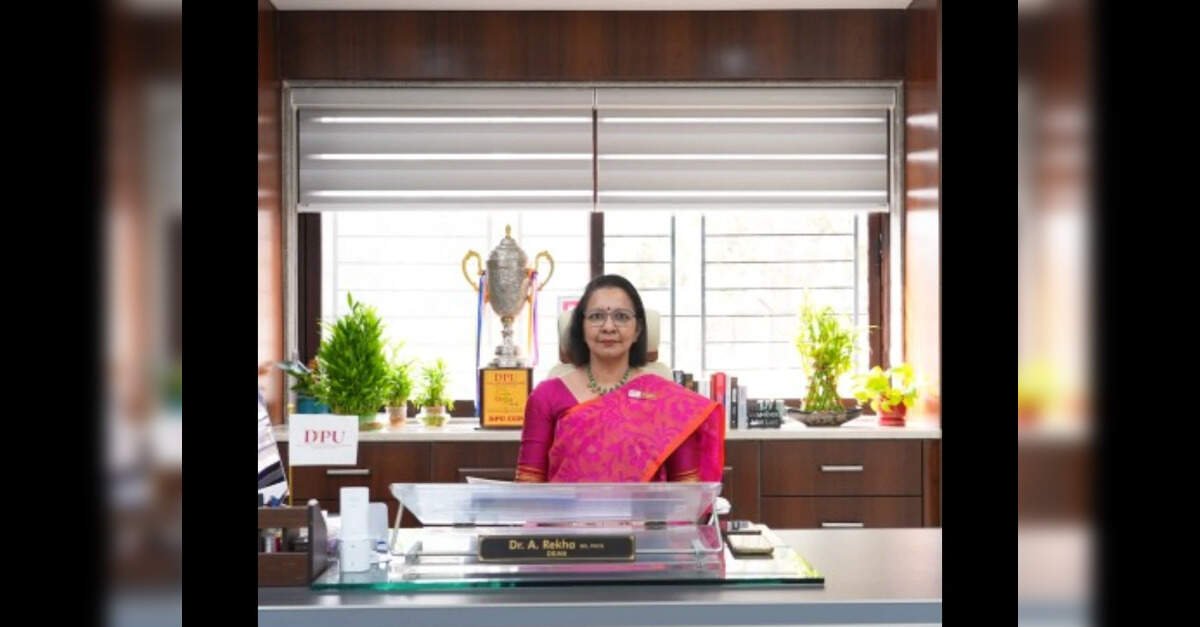
By Dr Rekha Arcot
The practice of medicine has always evolved alongside society. As healthcare systems become more complex and patient needs continue to change, the expectations from future doctors are also expanding. Today’s medical students are preparing for careers that will require not only strong clinical knowledge, but also adaptability, communication skills, ethical judgment and a deep sense of social responsibility.
Medical education is therefore undergoing a significant transformation. The focus is steadily shifting from the traditional model of learning to a more holistic and competency-based approach that prepares students for the realities of healthcare delivery. Success in medicine can no longer be measured solely by academic performance. It must also be reflected in a doctor’s ability to apply knowledge effectively, work collaboratively, lead teams and provide compassionate care.
One of the most encouraging developments in medical education is the growing emphasis on experiential learning. Simulation-based training, skill laboratories and early clinical exposure are helping students gain confidence and practical understanding long before they begin independent practice. These experiences bridge the gap between classroom learning and patient care, allowing future doctors to develop clinical competence in a structured and supportive environment.
Research is another important pillar of modern medical education. Encouraging students to participate in scientific inquiry nurtures curiosity, critical thinking and evidence-based decision-making. It helps them understand that medicine is not a static discipline but one that continues to evolve through innovation, discovery and continuous learning. Future healthcare professionals must be prepared not only to absorb knowledge but also to contribute to it.
At the same time, the human side of medicine remains as important as ever. Patients seek more than treatment; they seek understanding, reassurance and trust. Empathy, communication and ethical practice are qualities that cannot be replaced by technology and must remain central to medical training. Educational institutions have a responsibility to nurture these values alongside clinical excellence, ensuring that graduates become not only capable doctors but also compassionate caregivers.
The next generation of doctors must also develop a broader understanding of the communities they serve. Exposure to public health initiatives, rural healthcare programs and community outreach activities allows students to witness healthcare challenges firsthand. Such experiences foster empathy and help future healthcare professionals appreciate the social and economic factors that influence health outcomes. They also reinforce the idea that medicine is ultimately a service to society.
Another defining feature of contemporary medical education is the increasing importance of interdisciplinary learning and collaboration. Modern healthcare depends on teamwork and future doctors must be comfortable working with professionals across multiple specialties and disciplines. Learning environments that encourage collaboration prepare students to deliver more comprehensive and patient-centered care.
As healthcare continues to evolve, educators must also evolve. Faculty development, innovative teaching methodologies and the thoughtful integration of technology into learning environments are becoming increasingly important. While digital tools and simulation technologies can enhance learning experiences, they are most effective when combined with mentorship, guidance and meaningful human interaction.
Leadership is another quality that will define the doctors of tomorrow. Beyond clinical responsibilities, healthcare professionals are increasingly expected to lead teams, contribute to institutional growth, participate in research and drive improvements in patient care. Medical education must therefore create opportunities for students to develop confidence, resilience and leadership skills from an early stage.
The future of medicine will belong to professionals who combine knowledge with compassion, innovation with responsibility and expertise with humility. The goal of medical education is not simply to produce graduates who can treat disease, but to nurture individuals who can improve lives, strengthen communities and contribute meaningfully to the future of healthcare.
As we prepare the next generation of doctors, the focus must remain on creating healthcare professionals who are skilled, ethical, adaptable and deeply committed to patient care. By blending scientific excellence with human values, medical education can ensure that the future of medicine remains both progressive and profoundly humane.
Dr Rekha Arcot is the Dean of Dr D Y Patil Medical College, Hospital & Research Centre, Pimpri, Pune.
DISCLAIMER: The views expressed are solely of the author and ETEDUCATION does not necessarily subscribe to it. ETEDUCATION will not be responsible for any damage caused to any person or organisation directly or indirectly.


