






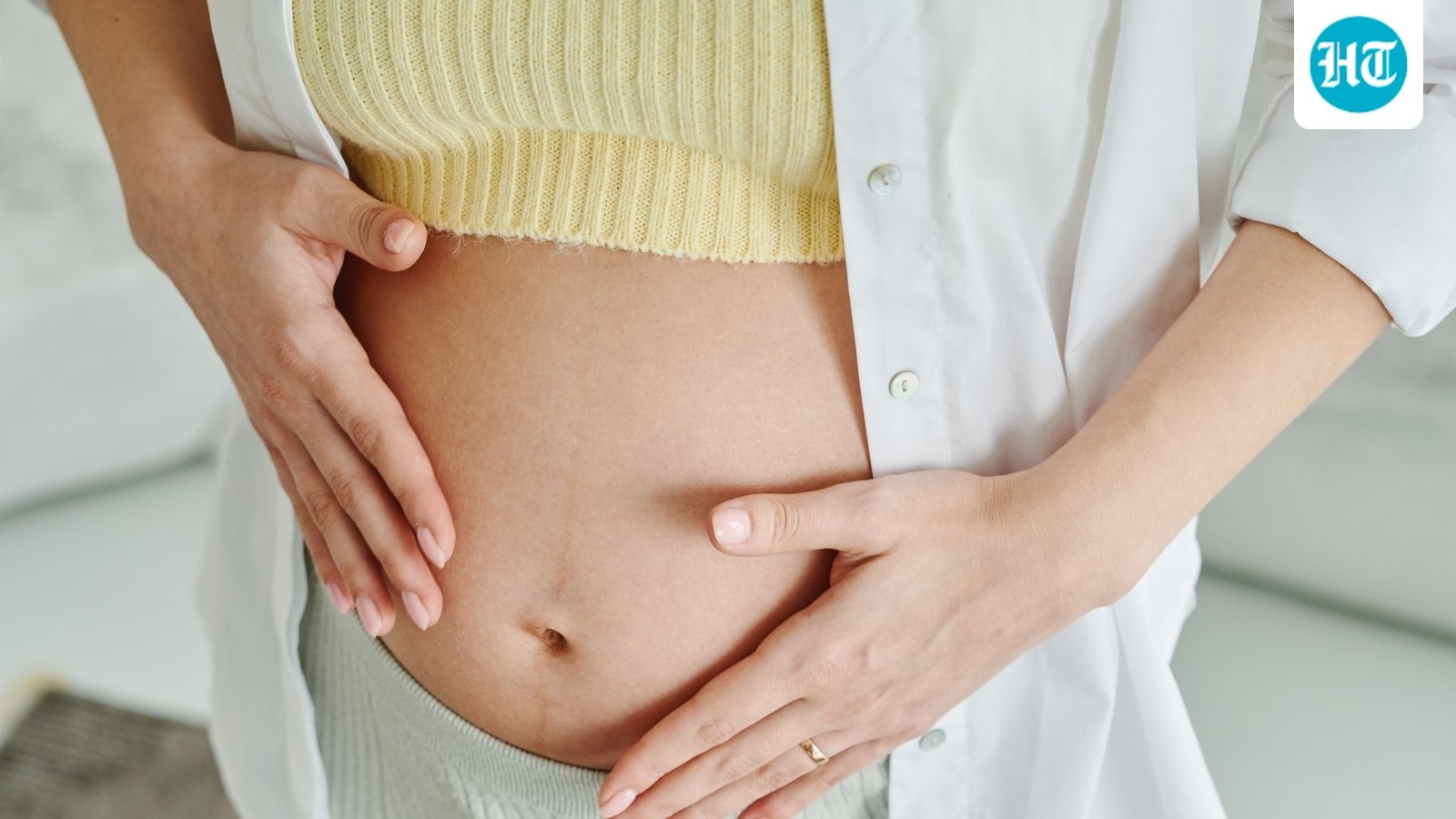
During pregnancy, the body undergoes a plethora of visible changes, and the skin is no exception. Some skin changes caused by hormonal fluctuations are normal and usually fade after childbirth; others may warrant medical attention. So, how can you tell the difference?
ALSO READ: High blood pressure during pregnancy? Gynaecologist shares 8 foods to eat and what to avoid
Dr Nirupama Parwanda, dermatologist and founder of Zolie Skin, shed light on which skin changes are normal, which may fade after childbirth, and which could signal serious health problems requiring treatment.
What causes these skin changes during pregnancy? Dr Parwanda explained, “Hormones, changes in blood circulation and immune function all cause tremendous changes in the skin during pregnancy, many of which are apparent.”
The body undergoes several internal adjustments to accommodate the growing foetus. As a result, some of these changes may also become visible on the skin during pregnancy.
So, are skin changes normal during pregnancy, and do they disappear? The dermatologist assured that most of these changes are common and temporary. She elaborated, “The majority of skin changes happening in pregnancy are short-lived and will gradually disappear after birth.” But she cautioned that if a skin condition is severe, persistent, or painful, or accompanied by major itching or blistering, it is important to consult a dermatologist at the earliest.
Common skin changes during pregnancy
Here are some common skin changes during pregnancy, as listed by the expert, which typically fade after pregnancy:
1. Hyperpigmentation:
- Darkening of the face, underarms, and other parts of the body is common during pregnancy.
- Linked to increased stimulation of melanocytes, the pigment-producing cells, by melanocyte-stimulating hormone (MSH), estrogen, and progesterone.
2. Linea nigra:
- A dark vertical line may appear along the abdomen during pregnancy.
- Another common pigmentation change that generally fades after childbirth.
3. Stretch marks
- Stretch marks, medically known as striae, may develop as the skin stretches rapidly to accommodate the growing baby.
4. Acne
- Some women may experience acne because hormonal fluctuations can increase the skin’s production of sebum or oil.
5. Spider veins
- Small, visible blood vessels known as spider veins may appear because of changes in blood circulation during pregnancy.
6. Mild swelling
- Slight swelling may occur during pregnancy because of changes in circulation and increased fluid retention.
7. Skin tags
- Small, harmless skin growth in areas where skin rubs against itself or clothing.
Which problems should you not take lightly?
Skin changes during pregnancy are usually harmless, but some should not be dismissed as hormonal effects, as they may indicate an undetected health problem. Here are the warning signs Dr Parwanda highlighted:
1. Persistent itching on the palms and soles:
- Severe or persistent itching, particularly on the palms of the hands and soles of the feet, should be taken seriously.
- Can indicate intrahepatic cholestasis of pregnancy, a liver condition that requires prompt diagnosis and medical care.
2. An intensely itchy abdominal rash:
- Extreme itching accompanied by a rash or eruption on the abdomen may be a sign of polymorphic eruption of pregnancy (PEP), formerly known as PUPP.
3. Blisters on the abdomen
- An itchy rash along with blisters could mean pemphigoid gestationis, a rare pregnancy-related skin condition that needs further medical evaluation.
In the end, the doctor cautioned about topical retinoids, as they should not be used during pregnancy. Furthermore, excessive use and/or high concentration of salicylic acid should also be prevented.
Note to readers: This article is for informational purposes only and not a substitute for professional medical advice. Always seek the advice of your doctor with any questions about a medical condition.


