


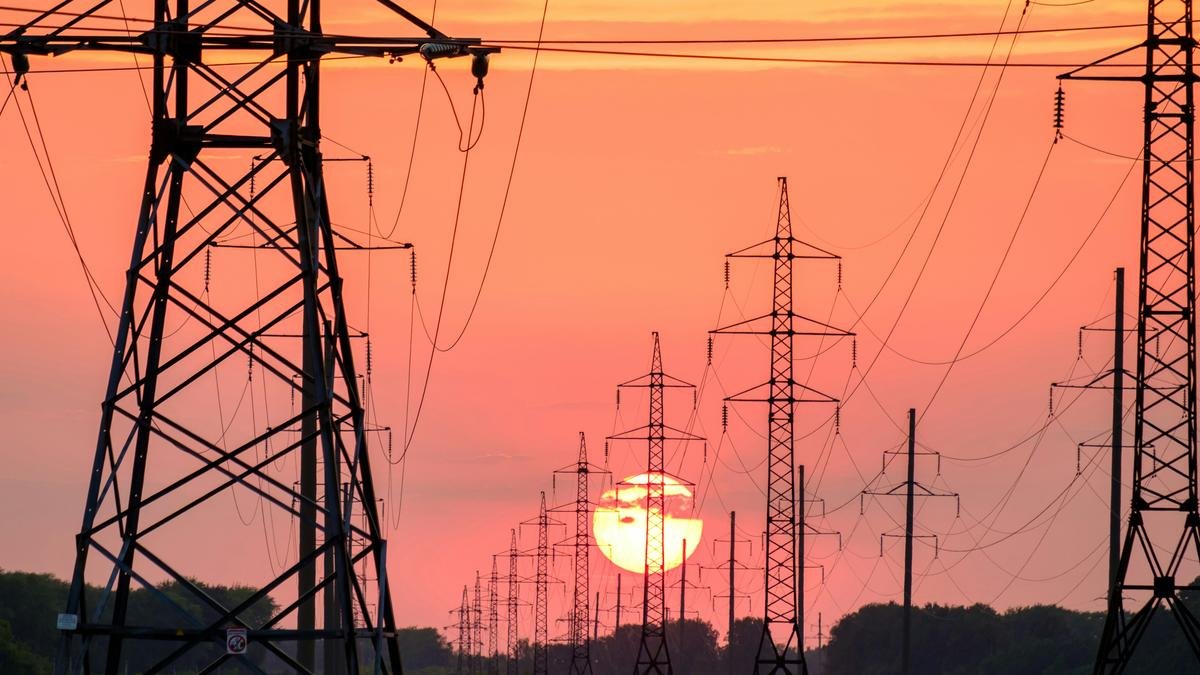
When a geomagnetically induced current flows through a transformer for long periods, it can saturate the magnetic core, leaving them to overheat and suffer more wear. Representative image.
| Photo Credit: Andrey Metelev/Unsplash
As countries electrify more of their economies and increasingly interconnect their power grids, understanding space weather has become crucial. One particularly adverse form of space weather is a geomagnetic storm: temporary disturbances in earth’s magnetic field caused by charged particles from the sun. These storms produce beautiful aurorae but also induce strong yet short-lived currents in the grid.
However, a new study in Space Weather has reported that these storms can also stress power grids in a hitherto unexpected way and that existing tools may not fully capture the effects. The findings are centred on a geomagnetic storm in June 2015 that the U.S. Space Weather Prediction Centre had rated G4, or ‘severe’, and which produced a strange effect in New Zealand.
Published – July 17, 2026 09:00 am IST
