


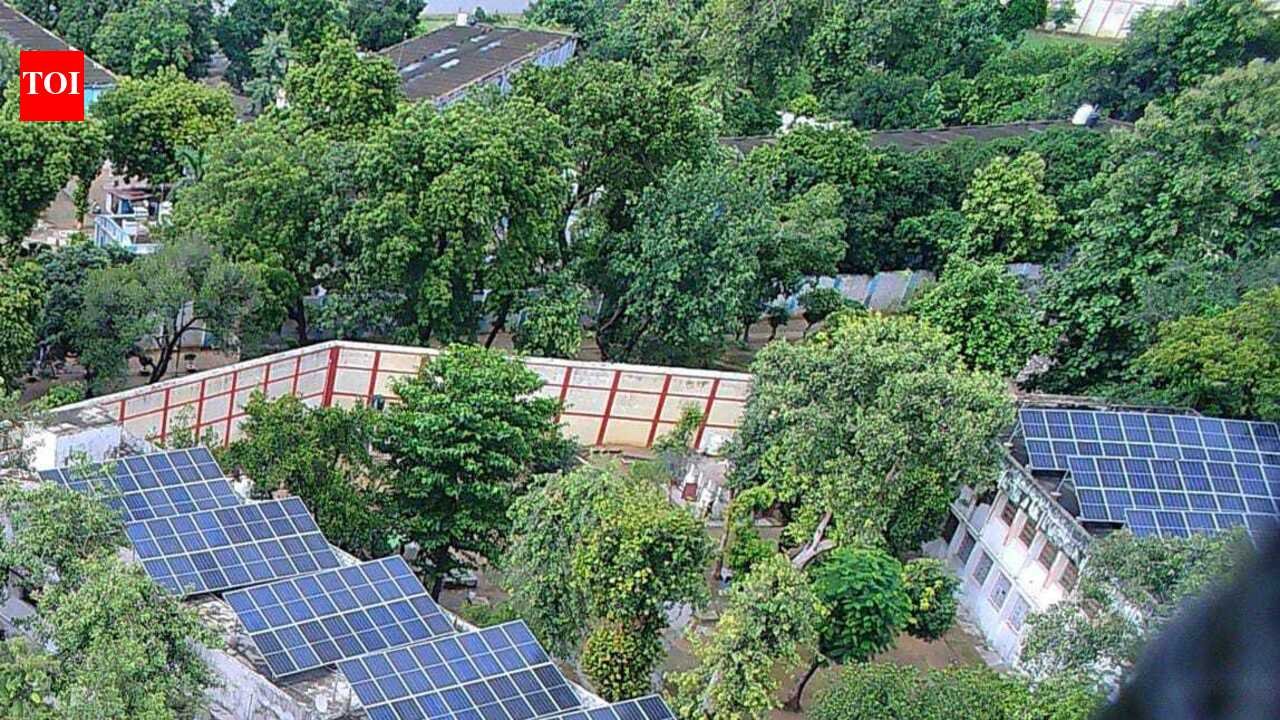
Varanasi: More than 50,000 households in Varanasi have installed rooftop solar systems under the Prime Minister Surya Ghar Muft Bijli Yojana, with 17,698 consumers now receiving zero electricity bills, helping the Prime Minister Narendra Modi’s parliamentary constituency retain its second position in Uttar Pradesh in rooftop solar adoption after Lucknow.The district has also developed more than 150 MW of solar energy capacity, marking a major shift towards clean energy and reducing households’ dependence on conventional power sources.Chief development officer Prakhar Kumar Singh said 76,218 people in the district have applied under the scheme so far, and rooftop solar plants have been installed in more than 50,000 homes. He said the biggest achievement has been that 17,698 consumers with rooftop solar systems are now receiving zero electricity bills.Varanasi has developed more than 150 MW of solar energy capacity, reflecting rising public awareness and growing adoption of clean energy in the district.UPNEDA senior project officer Shashi Gupta said rooftop solar plants in Varanasi are generating nearly 7.50 lakh units of clean electricity every day, with an estimated value of more than Rs 51 lakh per day. The shift has reduced dependence on conventional energy sources, strengthened local energy security and brought long-term economic benefits to consumers as well as the government.The scheme is helping Varanasi build a new identity beyond its spiritual significance, positioning the city as a model for clean energy, savings, energy self-reliance and local employment generation.Seema Bano, a resident of Daniyalpur in the Sarnath area, said her monthly electricity bill earlier ranged from Rs 2,000 to Rs 2,500. “When it became completely zero, I developed full confidence in the scheme. My expenditure on electricity bills has now ended,” she said.Santosh Kumar Srivastava of Nathupur in the Bhullanpur area said his electricity bill had remained zero for the past two years after installing rooftop solar. “Earlier, I paid Rs 3,000 to Rs 3,500 every month. That expense has now ended completely. The savings are being used for other important family needs and have helped balance the household budget,” he said.
