



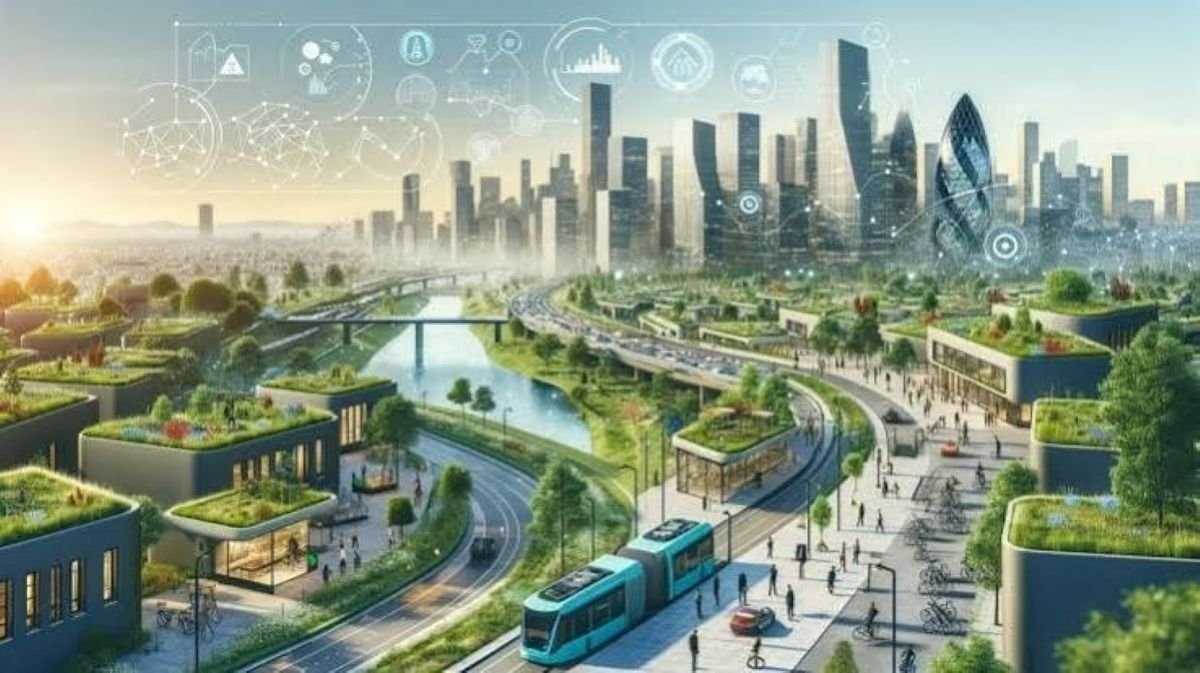
The rapid expansion of towns and cities across Jammu and Kashmir has brought new opportunities, but it has also exposed serious weaknesses in the way urban growth is being managed. Roads are widening, buildings are rising and populations are increasing, yet basic infrastructure often remains inadequate. Traffic congestion, unplanned construction, shrinking green spaces, poor drainage and mounting waste are becoming familiar features of urban life. This model of growth cannot continue indefinitely. Sustainable urban planning is no longer a distant environmental ideal; it is an immediate necessity. The cities we build today will determine the quality of life available to future generations. Development must therefore be guided by planning that respects the natural environment while responding to the economic and social needs of a growing population. For a region like Kashmir, urban planning requires particular sensitivity. The valley’s fragile ecology, water bodies, wetlands, forests and agricultural land cannot be treated as empty spaces waiting for construction. Encroachments on flood channels and wetlands have repeatedly demonstrated the consequences of ignoring nature. When water bodies are narrowed or blocked, even moderate rainfall can create serious flooding and disruption. Environmental safeguards must be placed at the centre of every urban policy. Sustainable planning also means creating cities that are accessible and convenient for ordinary people. Public transport must be strengthened so that residents are not forced to depend entirely on private vehicles. Safe footpaths, cycling routes, efficient parking systems and better traffic management can reduce congestion and pollution. Urban development should not be measured only by the number of buildings constructed, but by how easily people can reach schools, hospitals, workplaces and markets. Waste management remains another major challenge. The expansion of towns without adequate systems for segregation, recycling and disposal has placed enormous pressure on land and water resources. Municipal bodies must invest in modern waste-management facilities while involving communities in maintaining clean neighbourhoods. Responsibility cannot be shifted entirely to local authorities; citizens must also reject littering and careless disposal. Equally important is the need for transparent and enforceable building regulations. Master plans must not remain confined to official files. They should be publicly available, regularly updated and implemented without political or commercial influence. Illegal construction, once tolerated, creates long-term costs that are eventually borne by the public. Sustainable urban planning is ultimately about fairness. It seeks cities that are safe, clean, resilient and inclusive—not merely cities that look developed. Jammu and Kashmir cannot afford urban growth without direction. The time has come to plan with foresight, protect what cannot be replaced and place human well-being at the heart of development.
