



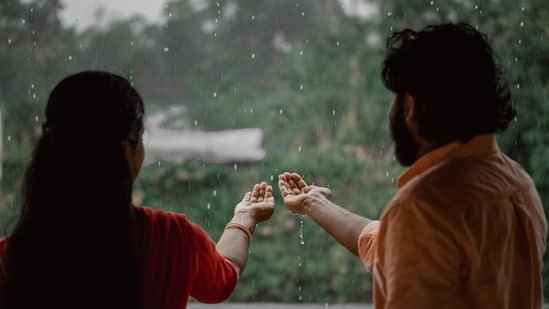
The monsoon season brings much-needed relief from the heat, but it also creates conditions that encourage the growth of bacteria, viruses, fungi, and mosquitoes.
According to Dr Prerna Goyal, increased humidity, waterlogging, and fluctuating temperatures can weaken immunity and increase the risk of infections such as colds, flu, dengue, malaria, stomach infections, and fungal skin infections.
In an interaction with HT Lifestyle, she shared a simple 10-point daily wellness routine that can go a long way in protecting our health throughout the rainy season.
1. Drink enough water
“Start your day by drinking enough water, even if you don’t feel thirsty,” stated Dr Goyal. “Many people unintentionally reduce their water intake during the monsoon, leading to dehydration.”
2. Have a balanced breakfast
The physician suggested pairing water with a balanced breakfast rich in protein, whole grains, and seasonal fruits to support immunity and maintain energy levels, and to avoid skipping meals, as proper nutrition helps the body fight infections.
3. Wash hands frequently
“Practice good hand hygiene by washing your hands frequently, especially before eating and after returning home. Carrying a hand sanitiser can be useful when soap and water are not available,” noted Dr Goyal.
4. Eat fresh food
She highlighted that it is equally important to consume freshly cooked food and avoid cut fruits, street food, and stale leftovers, which are more likely to be contaminated during humid weather.
5. Keep surroundings clean
Keeping the surroundings clean and dry helps to prevent mosquito breeding. One can start by regularly emptying stagnant water from coolers, flower pots, and other containers.
6. Dress to protect against mosquitoes
“Wearing full-sleeved clothing, especially during the early morning and evening hours, and using mosquito repellents, provides an additional layer of protection against mosquito-borne illnesses,” shared Dr Goyal.
7. Maintain personal hygiene
Maintaining personal hygiene is another essential habit. “Dry yourself thoroughly after getting wet in the rain and change out of damp clothes immediately to prevent fungal infections,” advised Dr Goyal.
“Keep your feet clean and dry, particularly if you have walked through waterlogged areas. Wearing waterproof footwear can reduce the risk of skin infections,” she added.
8. Stay active
As Dr Goyal noted, “Physical activity should remain part of your daily routine even if outdoor exercise is not possible.” Indoor workouts, yoga, stretching, or brisk walking at home for 30 minutes can help improve circulation, strengthen immunity, and reduce stress.
9. Get enough sleep
Adequate sleep of seven to eight hours and stress-management practices such as meditation or deep breathing also play an important role in supporting immune function, pointed out the physician.
10. Look out for warning signs
Finally, Dr Goyal advised staying alert to warning signs such as persistent fever, severe body aches, prolonged cough, vomiting, diarrhoea, or unusual fatigue. Seeking timely medical attention instead of self-medicating can prevent complications.
“Small, consistent daily habits are often the most effective way to stay healthy and enjoy the monsoon season safely,” she shared.
Note to readers: This article is for informational purposes only and not a substitute for professional medical advice. Always seek the advice of your doctor with any questions about a medical condition.
Dr Prerna Goyal, MBBS, MD, is a Senior Consultant – Physician at RG Hospitals in Ludhiana. She has more than 15 years of clinical experience with expertise in diabetes, thyroid disorders, tropical illnesses, metabolic-associated fatty liver disease, preventive cardiology, and sleep medicine.


