






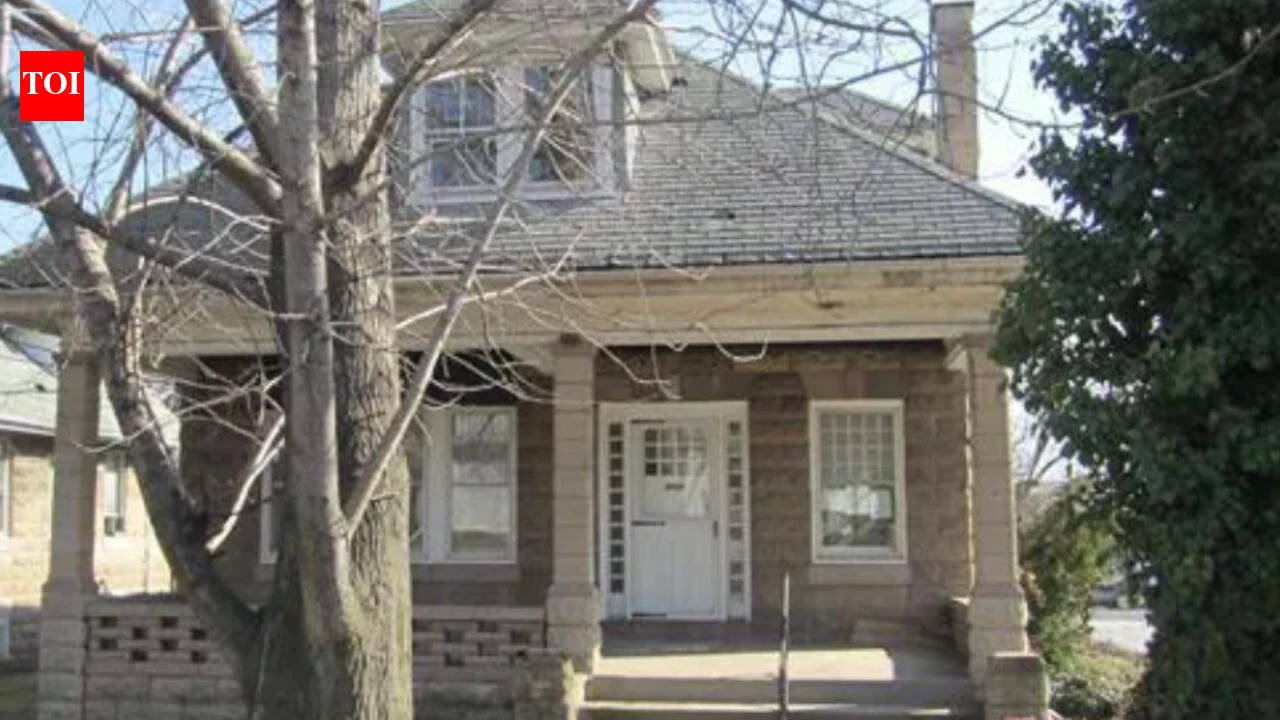
A Pennsylvania man who owned a house in Chester for 10 years has won an appeal after his property was sold for $28,000 at a tax sale linked to unpaid property taxes. The Commonwealth Court of Pennsylvania ruled on October 13, 2026, that the Delaware County Tax Claim Bureau had failed to make the additional efforts required by law to notify the owner before selling his property.The property, located at 113 West 23rd Street in Chester, belonged to Gang Luo. It was put up for sale on September 22, 2022, to recover unpaid City of Chester real estate taxes for 2020, as per the official court document. The upset sale price was $5,741, while the successful bidder, Gerardo Ponce, purchased the property for $28,000. An upset price includes outstanding taxes, tax liens, municipal claims and statutory costs associated with a property.Luo challenged the sale, arguing that he had not received proper notice and that the authorities had failed to locate him after an important notice was returned unclaimed. However, the Delaware County Court of Common Pleas rejected his petition in December 2023, finding that the tax bureau had followed the required procedures.Luo subsequently appealed the decision. After examining the evidence, a three-judge panel of the Commonwealth Court concluded that the bureau had not met its legal obligations. The court reversed the earlier ruling and sent the case back to the lower court with instructions to set aside the tax sale.
How the Chester property was sold
According to court records, Luo had owned the single-family house for approximately 10 years and rented it to a tenant. He told the trial court that he visited the property about once a month to carry out maintenance and check its condition.The tax dispute concerned unpaid real estate taxes for 2020. In his appeal, Luo referred to an unpaid city tax amount of $1,327 and questioned whether losing his property over that amount was justified.Before the September 2022 sale, the tax bureau sent notices to Luo’s residential address at 498 Howellville Road in Berwyn, Pennsylvania. On August 3, it mailed a formal sale notice through certified mail with restricted delivery. However, the notice was returned marked “unclaimed”.The bureau also published sale notices in newspapers and posted a notice at the Chester property on August 26. A final notice was mailed by First-Class Mail on August 29 and was not returned as undeliverable.At the October 2023 hearing, the bureau’s Upset Sales Coordinator, Janine Heinlein, explained that officials believed they had Luo’s correct mailing address because he had previously contacted the office about another property he owned.
What the owner said
During the hearing, Luo explained why he had not been staying at his usual residential address for much of 2022.He testified that he had been hospitalised for a leg injury between March and May 2022. After leaving hospital, he moved into a senior-living house with his elderly parents to care for them.Although Luo confirmed that the Berwyn address was his personal residence, he denied receiving formal notice of the unpaid taxes or the impending sale of the Chester property.He also told the court that his tenant had never informed him about a notice being posted at the house. According to his testimony, he first discovered that the property had been sold on October 1, 2022, when he visited the tax bureau to enquire about another property.The trial court had rejected Luo’s claim that he was unaware of the sale. However, the appeals court found that the evidence did not establish that he had received timely actual notice of the proceedings.
Why appeals court found notice process inadequate
Under Pennsylvania’s Real Estate Tax Sale Law, authorities must follow specific notification procedures before selling property to recover unpaid taxes.These include publishing notices, posting notices at the property and mailing notices to the owner. When a required mailed notice is returned without the owner’s signature, officials must make reasonable additional efforts to locate and notify that person. The appeals court found that the bureau had failed to demonstrate such efforts in Luo’s case.During testimony, Heinlein acknowledged that a search had identified a telephone number associated with Luo, but she did not say whether anyone had called it. She also confirmed that she had relied on the existing address rather than conducting further searches through other sources.The court explained that having a correct mailing address did not remove the bureau’s responsibility to take additional steps once the certified notice was returned unclaimed.It also rejected the suggestion that a courtesy letter concerning another property could establish that Luo knew about the sale of the Chester house.The court stated that tax sale laws were intended primarily to ensure the collection of taxes, rather than deprive property owners of their rights.
What the October 13 ruling means
In its October 13 opinion, the Commonwealth Court concluded that the bureau had not established compliance with Section 607.1(a) of Pennsylvania’s Real Estate Tax Sale Law. The judges also found insufficient evidence that Luo had received timely actual notice of the sale.As a result, the court reversed the December 6, 2023 ruling and directed the lower court to enter an order setting aside the tax sale.Luo had also raised constitutional objections, including an argument that the sale amounted to taking property without just compensation. However, the appeals court did not examine those remaining arguments because the notification failures were sufficient to decide the case.


