






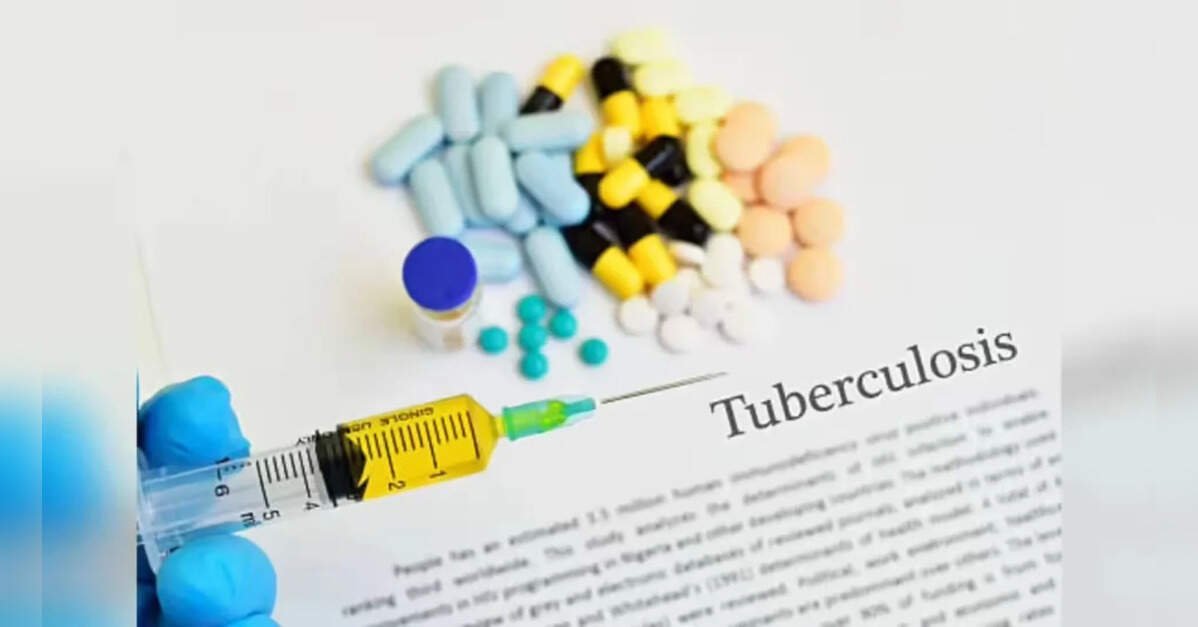
Nagpur: Over half of the tuberculosis (TB) prescriptions given outside the govt’s TB control programme in India are incorrect, according to the first nationwide study on treatment practices in the private and other non-govt healthcare sectors. Researchers estimate that nearly 20.6 lakh faulty TB prescriptions are issued every year — about five every minute.
The study led by doctors from Indira Gandhi Govt Medical College (IGGMC), Nagpur, has found that 53.3% of anti-TB prescriptions issued in healthcare settings outside National Tuberculosis Elimination Programme (NTEP) do not follow recommended treatment guidelines.
The research titled ‘The PRAMAN India Study: First Systematic Review and Meta-Analysis of Anti-Tuberculosis Prescription Practices in Non-Programmatic Settings in India’ has been published in Tuberculosis Association of India’s Indian Journal of Tuberculosis recently.
The researchers analysed 34 studies conducted between 1991 and 2024, covering 3,834 TB prescriptions from across India. Based on the number of TB patients treated in the private sector, they estimated that around 20.6 lakh incorrect prescriptions are written every year.
The study was led by Dr Gyanshankar Mishra, associate professor, Department of Respiratory Medicine, IGGMC, who served as the lead and corresponding author, in collaboration with Dr Jasmin Mulani, medical officer, Health and Family Welfare Training Centre, Nagpur; Dr Radha Munje, professor and head, Department of Respiratory Medicine, IGGMC; and Dr Rupak Singla, consultant and former head, Department of Tuberculosis and Respiratory Diseases, National Institute of Tuberculosis and Respiratory Diseases (NITRD), New Delhi, as co-authors of the research study.
Despite the worrying findings, the researchers said there has been significant improvement over the years. The share of faulty prescriptions dropped from 68.6% in the 1990s to 32.6% during 2020-24, showing that TB treatment practices are improving.
However, the study warns that unless more steps are taken, nearly one in every two TB prescriptions outside the govt programme may continue to be incorrect between 2025 and 2030.
The researchers said incorrect prescriptions can lead to treatment failure and increase the risk of drug-resistant TB, which is much harder to treat.
They recommended better training for doctors, wider use of standard treatment guidelines, stronger links between private hospitals and the govt’s TB programme, and greater use of digital tools that help doctors choose the correct medicines.
Dr Mishra said the findings show that while TB treatment has improved over the last three decades, many patients seeking care outside the govt programme still do not receive treatment that fully follows national guidelines. He said continuous medical education and closer collaboration between the private sector and the govt would help ensure that every TB patient receives the right treatment.


