






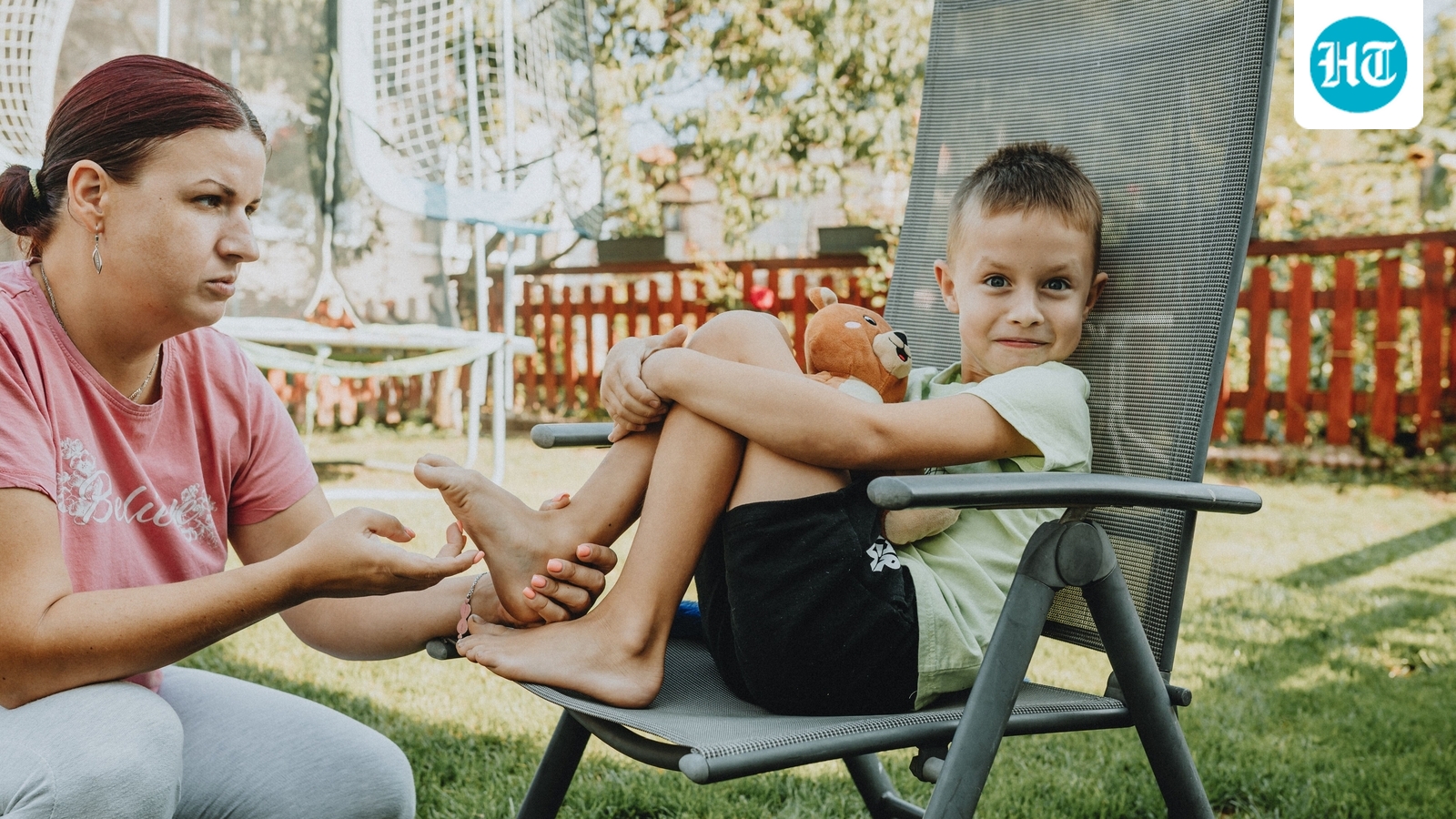
Osteoporosis is often considered a condition that only affects older adults; however, children can also develop weak bones. Also Read | The psychology behind procrastination: Therapist explains why we delay important tasks even when we know they matter
Ahead of World Osteoporosis Day, which is observed on October 20 every year, Dr Manoj Padman told HT Lifestyle that paediatric osteoporosis is relatively uncommon and is usually associated with underlying critical medical conditions, chronic illnesses, nutritional deficiencies, limited mobility, or certain medications.
“Understanding the myths surrounding bone health can help parents recognise early warning signs and support healthy bone development,” he stated, as he debunked five myths surrounding the condition.
Myth 1: Osteoporosis only affects older adults
Fact: Although osteoporosis is more common in older adults, Dr Padman pointed out that children can also develop the condition.
“It may occur due to inherited bone and connective tissue disorders (primary osteoporosis) or can be secondary to chronic illnesses, prolonged immobility, or prolonged use of certain medications, particularly corticosteroids (secondary osteoporosis),” he explained, adding that early identification of the underlying cause is important for appropriate management.
Myth 2: Every fracture in a child indicates weak bones
Fact: Fractures are common during childhood because children are physically active and may fall while playing or participating in sports.
According to the physician, a single fracture following a significant fall usually does not indicate bone fragility, with up to 50 percent of children likely to develop a fracture at some point before they enter adulthood.
“However, repeated fractures or fractures occurring without significant trauma warrant prompt medical evaluation,” he stated.
Myth 3: If a child has no symptoms, their bones must be healthy
Fact: Low bone strength may not cause noticeable symptoms until persistent bone pain or a fracture occurs, cautioned the paediatric orthopaedic.
“Recurrent fractures, particularly two or more long-bone fractures before the age of 10, or an unexplained vertebral fracture should prompt immediate further assessment,” he stated.
Myth 4: Calcium supplements alone can prevent osteoporosis
Fact: Calcium is essential for bone development, but healthy bones also require adequate vitamin D, balanced nutrition, and regular physical activity, pointed out Dr Padman.
Suggesting what can help improve bone health, the physician shared, “Children should participate in activities involving age-appropriate, weight-bearing exercises. Supplements should be given when needed, based on dietary intake and medical advice.”
Myth 5: Bone density tests are interpreted the same way in children and adults
Fact: Children’s bones are still growing, so bone density results must be interpreted according to age, skeletal development and body size.
In the words of Dr Padman, “A paediatric specialist may recommend blood tests, bone density imaging or other investigations depending on the child’s medical history and fracture pattern.”
The paediatric orthopaedic specialist stressed that healthy childhood habits help build strong bones for adulthood.
“Parents should seek medical advice if their child experiences repeated fractures, unexplained bone pain, atypical fractures or fractures following minimal trauma (low-energy fractures). Timely evaluation can help identify underlying conditions and support healthy skeletal development,” he advised.
Note to readers: This article is for informational purposes only and not a substitute for professional medical advice. Always seek the advice of your doctor with any questions about a medical condition.
Dr Manoj Padman is the Director of Pediatric Orthopaedics at Madhukar Rainbow Children’s Hospital, with more than 30 years of clinical experience.


