



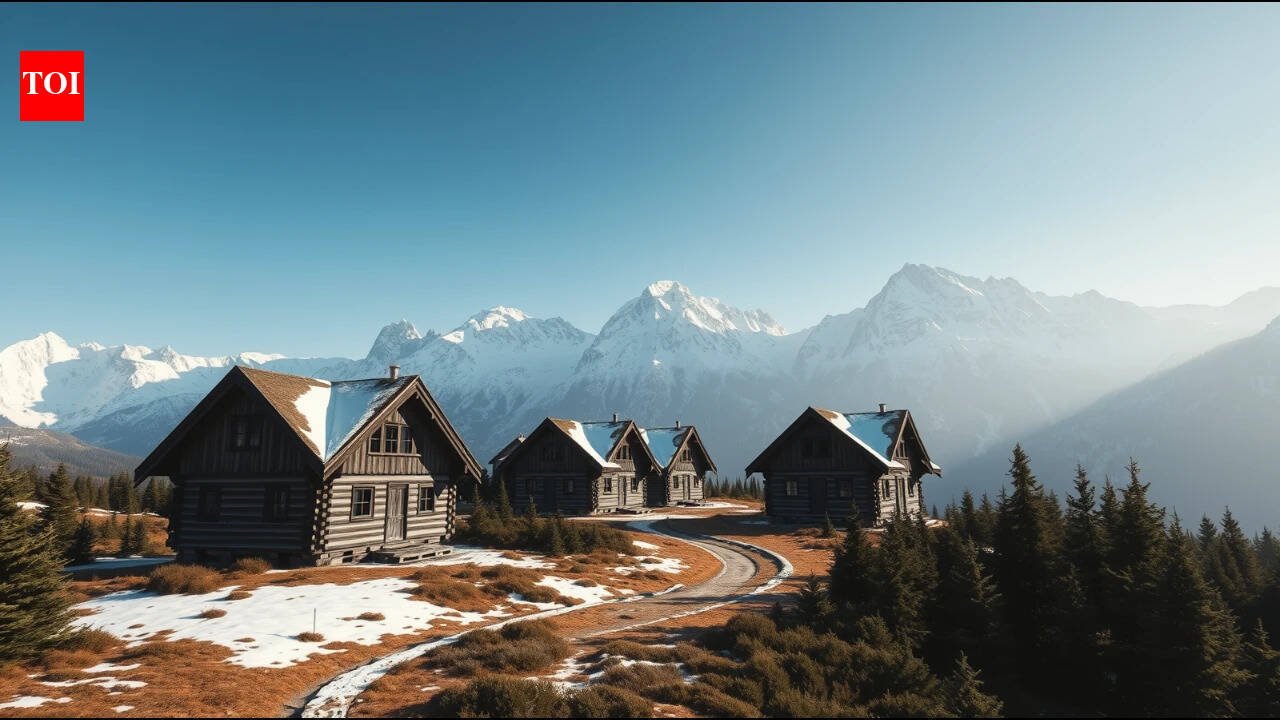
Deep in the Norwegian mountains, a hiker can reach a locked wooden cabin with no road leading to it, no receptionist and often no phone signal at all. A single small metal key still opens the door. That same standard key works across hundreds of cabins run by Den Norske Turistforening, the Norwegian Trekking Association known as DNT. Once the lock turns, what follows looks less like checking into a hotel and more like temporarily taking over a shared household. Inside a self-service cabin, shelves may hold oatmeal, crispbread, pasta, canned soup, coffee and snacks, all left unattended and meant to be paid for honestly. The visitor records what they take, pays once they regain phone signal, fetches water, tends the stove, cleans up before leaving and stacks fresh firewood for whoever arrives next, a stranger they will likely never meet, trusting that the same system will be waiting for them on their next journey through Norway’s remote wilderness.
How 1 standard key came to open hundreds of different Norwegian cabins
According to DNT’s own explanation of the cabin key system, the standard key unlocks hundreds of the organisation’s unstaffed and self-service cabins across Norway. Members can obtain one for a small deposit and keep it while their membership remains active. The key provides access to participating cabins, although not every DNT property uses the same system. Some cabins remain unlocked, while others use a special key, code lock or booking-specific instructions. Cabins can also close temporarily or seasonally because of hunting, landowner agreements or wildlife protection, including measures intended to avoid disturbing migrating wild reindeer. DNT therefore advises hikers to check the individual cabin’s listing before setting out.
Why self-service and no-service cabins stock completely different supplies
According to DNT’s guide to its cabin types, the network broadly includes staffed lodges, self-service cabins and no-service cabins, a distinction that matters more than it might first appear. Self-service cabins provide sleeping and cooking facilities alongside a stocked food pantry, with products priced individually and guests expected to record everything they take. No-service cabins generally provide bunks, blankets, cooking facilities and firewood, but no food for sale, meaning hikers need to bring their own provisions. Staffed lodges are different again, with hosts and served meals available during their operating season, so the same DNT network can take a hiker from a fully stocked pantry at one stop to an entirely self-sufficient kitchen at the next.
How an offline payment system and a chore list keep the trust system working
DNT’s cabin-payment system is designed around the fact that mobile coverage can disappear precisely where many of these cabins are located. According to DNT’s guide to its cabin app, visitors can record their cabin stay and purchases while offline and complete payment once their phone reconnects to a network. The system therefore depends heavily on visitors honestly recording what they have used, with no cashier or attendant standing beside the pantry shelves.The same principle applies to maintaining the cabins. According to DNT’s cabin-visit guide, guests are expected to handle many of the ordinary chores themselves, including fetching water, tending the wood stove, washing dishes and cleaning the spaces they use. Before leaving, visitors are asked to leave the cabin ready for the next person, including cleaning used areas and preparing firewood. The expectation is simple: the next hiker should find the cabin at least as good as the previous visitor found it.
Why Norway’s cabin trust system rests on far more than 1 honest hiker
The scale behind the system is considerable. According to DNT’s own history, the organisation was founded in 1868 to make Norwegian nature easier and more affordable to experience. Today, its network includes more than 600 cabins spread across mountain ranges, forests, coastlines and former farmsteads throughout the country.The system works because the responsibility is distributed. Local member associations, volunteers and cabin wardens help restock food, repair buildings, maintain paths, split firewood and keep the properties functioning. Every hiker who records their purchases, cleans a room, carries water or prepares wood is therefore contributing to a much larger system that depends on thousands of small acts of cooperation. The remarkable part is not really that one key can open hundreds of doors. It is that behind each door is an unwritten agreement: take what you need, pay what you owe, clean up after yourself and leave something useful for the stranger who comes next.


