



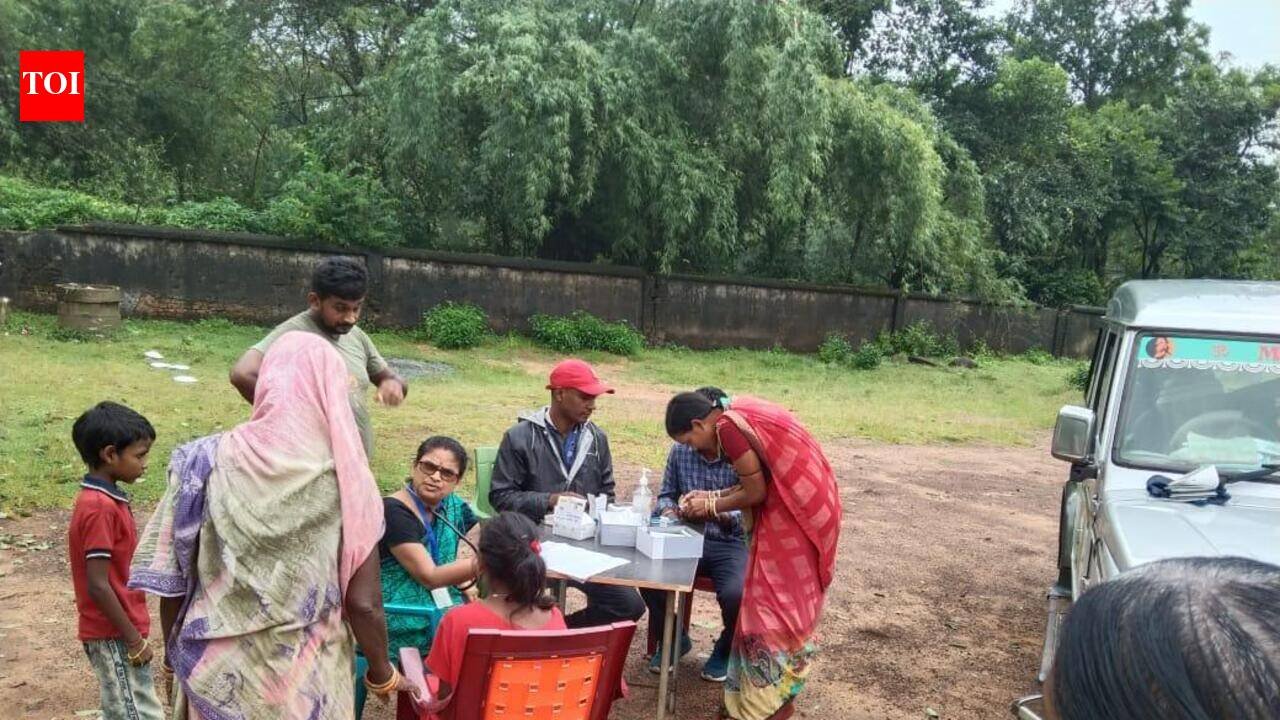
Bhubaneswar: Despite widespread health insurance coverage, Odisha’s tribal communities continue to face serious challenges in accessing quality healthcare, managing chronic diseases, and overcoming deep-rooted nutritional and behavioural barriers, according to a new study published in the Indian Journal of Community Medicine.The study, led by researchers from ICMR-National Institute of Health Research, Bhubaneswar, analysed discussions among policymakers, clinicians, academicians and community representatives based on findings from the Odisha Tribal Family Health Survey (OTFHS), one of the largest tribe-specific health assessments in the state.Six researchers, five from ICMR and one from SUM Hospital, found that limited access to diagnostic services and essential medicines remains a major challenge, particularly in remote tribal regions. Health facilities often lack adequate infrastructure to screen and manage chronic ailments such as hypertension and diabetes, resulting in delayed diagnosis and treatment.According to the OTFHS findings discussed in the study, 28.2% of older adults had undiagnosed hypertension, while 25.6% reported suffering from multiple chronic conditions. The study highlighted alarming levels of undernutrition and anaemia. More than half of tribal children under five, 51.9%, were stunted, with nearly 29% severely stunted. About 43% of pregnant women were underweight during their first antenatal visit, while anaemia affected over 76% of women and 71.3% of children aged 6-59 months, said Jaya S Kshatri, primary author of the study.Stakeholders pointed to cultural and dietary practices as significant contributors. One example is the practice of giving black tea to infants, which can inhibit iron absorption and worsen anaemia. Researchers also noted shortcomings in iron-folic acid and calcium supplementation programmes, including poor coverage and adherence.The study further revealed behavioural barriers that limit healthcare utilisation. Traditional beliefs often discourage people from seeking formal medical care, while practices such as open defecation remain prevalent in some areas. Only 56.2% of children suffering from diarrhoea were taken to a health facility, indicating persistent gaps in health-seeking behaviour, said Sanghamitra Pati, director of ICMR-NIHR Bhubaneswar, quoting OTFHS findings.“Although 94.6% of tribal households were covered by health insurance schemes, only about 40% knew how to access insurance claims, exposing a major awareness gap,” the research paper said. The researchers also flagged substantial digital inequalities, with only 15.7% of women reporting internet use compared with 32.7% of men.The study called for a shift from descriptive surveys to intervention and implementation research. Key priorities include evaluating healthcare delivery models, community-based interventions, genetic disorders such as sickle cell disease and beta-thalassaemia, microbiome research, and improving participation in health programmes. Among the tribal women, 6.5% carried the sickle cell trait and 4.5% had beta-thalassaemia.Stakeholders recommended strengthening primary healthcare, laboratory services, medicine supply chains and telemedicine, besides deploying trained community health navigators or Swasthya Mitras in remote areas. They also emphasised culturally sensitive health education, involvement of traditional leaders and local influencers, and independent audits for strong monitoring.
