



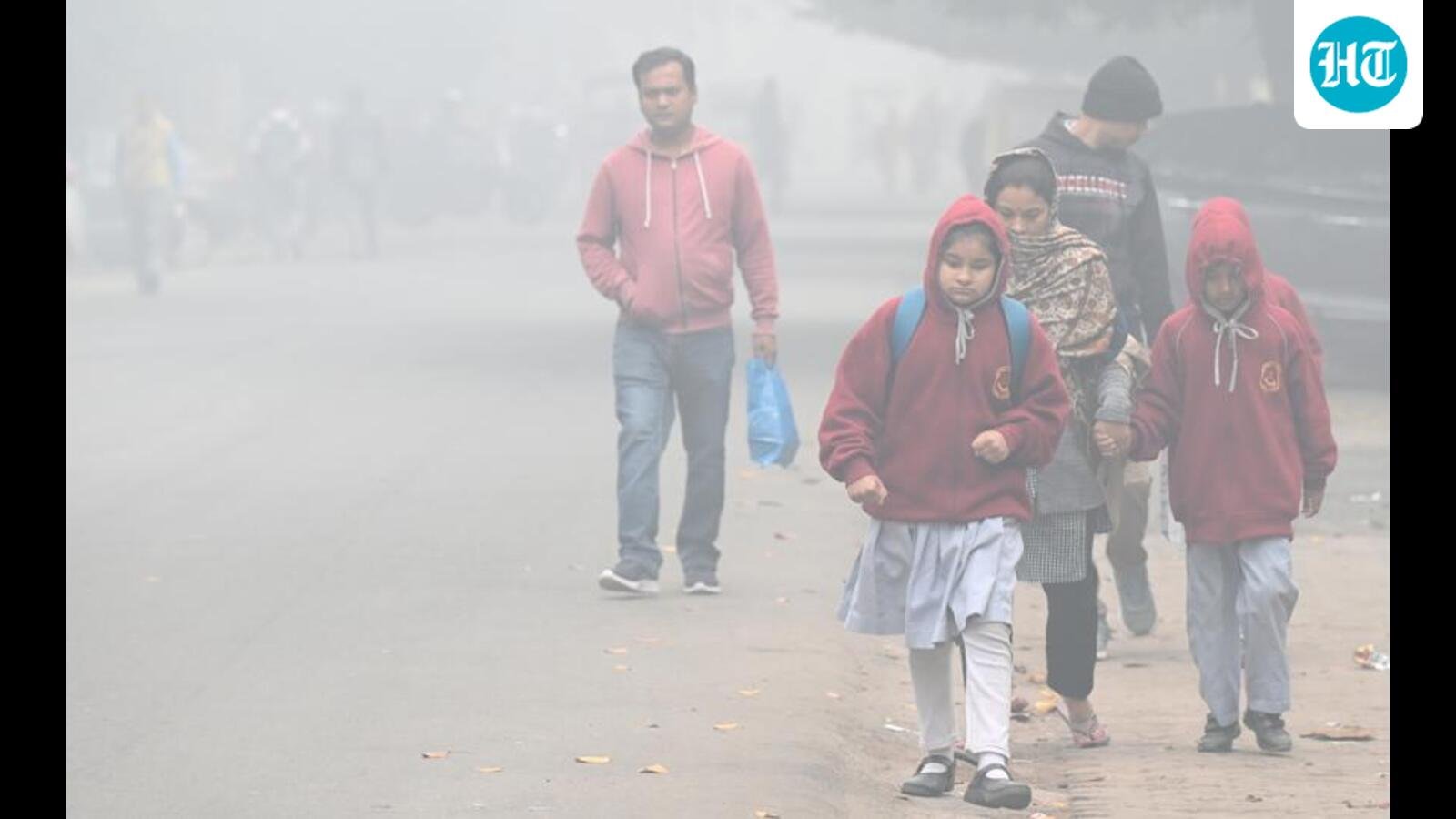
If the months of the year were days of the week, October would be Friday — slightly relaxed, a little indulgent,and smelling of holidays in the vicinity. In North India, its evenings are usually punctuated by a nip in the air, the sun spilling colour over the horizon before being lost to haze, and the occasional sound of a Diwali bomb going off somewhere in the distance.
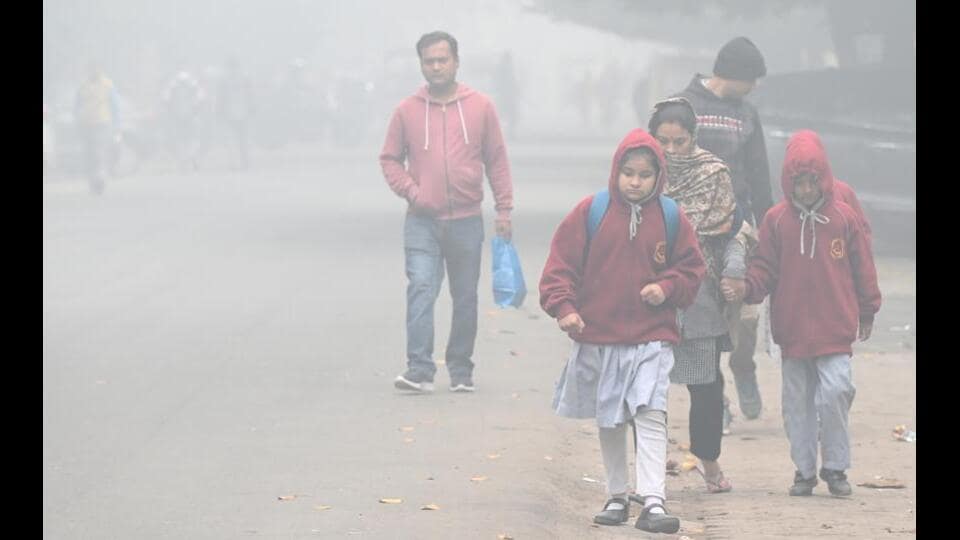
It was always like this — until the air quality index (AQI) was adopted. Now, the SI unit to measure October is AQI.
There was a time when October wasn’t a public health emergency. It was a mood — the only month in this tropical country you could truly appreciate. India is unique that way, a lot of anti-incumbency builds-up over monsoons due to crumbling infrastructure, pathetic roads, and soul-sapping traffic. And then along comes October, and people forget the pains they just suffered. October has been saving governments since independence.
October also announced itself through the conspicuous shortening of days. As kids, without access to public parks or playgrounds, we played cricket on an empty, disputed plot. An inheritance feud gifted a cricket ground to the neighbourhood. As October rolled in, the available time for play would shrink considerably. June’s 10-over match wrapped up in four.
Towards the middle of the final over, the evening azaan (call to prayer in Islam) would rise from a loudspeaker on a nearby mosque. In eastern India, a 5:30 pm azaan plays way past sunset. With the last remaining light set to fade in minutes, the two cricket teams would argue about the balls remaining, and the youngest kid who had spent the afternoon fielding long-on would be called for his turn at the crease — only for everybody to agree to disperse for the day almost immediately after.
In the distance, a solitary Diwali bomb would go off, again. With Diwali still weeks away, one or the other neighbourhood enthusiast believed in a long rehearsal.
But the evening had not ended yet. At the corner of the street stood a hawker, furiously pumping his kerosene stove until it began hissing with blue flames. The stove looked like a piece of industrial machinery, and the hawker operated it with the seriousness of a man preparing to launch a satellite — he sold boiled eggs.
The eggs were the most popular street snack, neatly cut down the middle with black salt liberally sprinkled. They were garnished with green chilly and freshly cut onions. Kids gobbled it whole on their way back from cricket, with tornadoes of mosquitoes above their heads. We stared at them with great amusement, occasionally waving our bats through the swarm.
An old Dev Anand song played from the radio of a paan shop. We didn’t know what the people assembled there were discussing — it could have been the weather, a new arrival in the neighbourhood, or politics. India was then just a little over 40 as a democracy. People used their votes largely to maintain the status quo, so that their clan, their family, stayed safe. Development was a garnish.
Those who could, saved money for a rainy day — a lot of money. But October was the month they spent generously, too. October was the season to shop, to get new clothes, buy new vehicles, or, in very rare cases, new homes — an auspicious time to exchange money for happiness.
October was also when cars perhaps got sold the most. Imagine a father driving his Maruti-800, parking it at the Ram Leela Maidan, planting his kid on the car roof — for a clear view of the silhouettes of three giant effigies with swords and shields in hand. The kid watched with wide-eyed anticipation; the father watched it all through the eyes of the kid. An arrow strained against a drawn string and, seconds later, flew towards the heart of the ten-headed effigy. The effigy burst into flames, with loud crackers getting lit. Triumphant music started playing. The kid shot to his feet, clapping. The father basked in the joy of parenthood. And that was a car-ad in the late 1980s/early 1990s, riding on the October mood.
This perception of October has since changed. The air wasn’t necessarily clean back then and we perhaps breathed things we shouldn’t have been breathing. Nostalgia simply edits out inconvenient facts. But, the scale of harm wasn’t likely as high as now.
Now we have learnt to measure what we once merely experienced. More cars, industries, and crop stubble have slowly consumed our precious October. Somewhere, behind a thick curtain of smog, the October sun still spills colour across the horizon. But the haze has to lift for us to notice.
Abhishek Asthana is a media and tech entrepreneur. He tweets from @gabbarsingh. The views expressed are personal
