


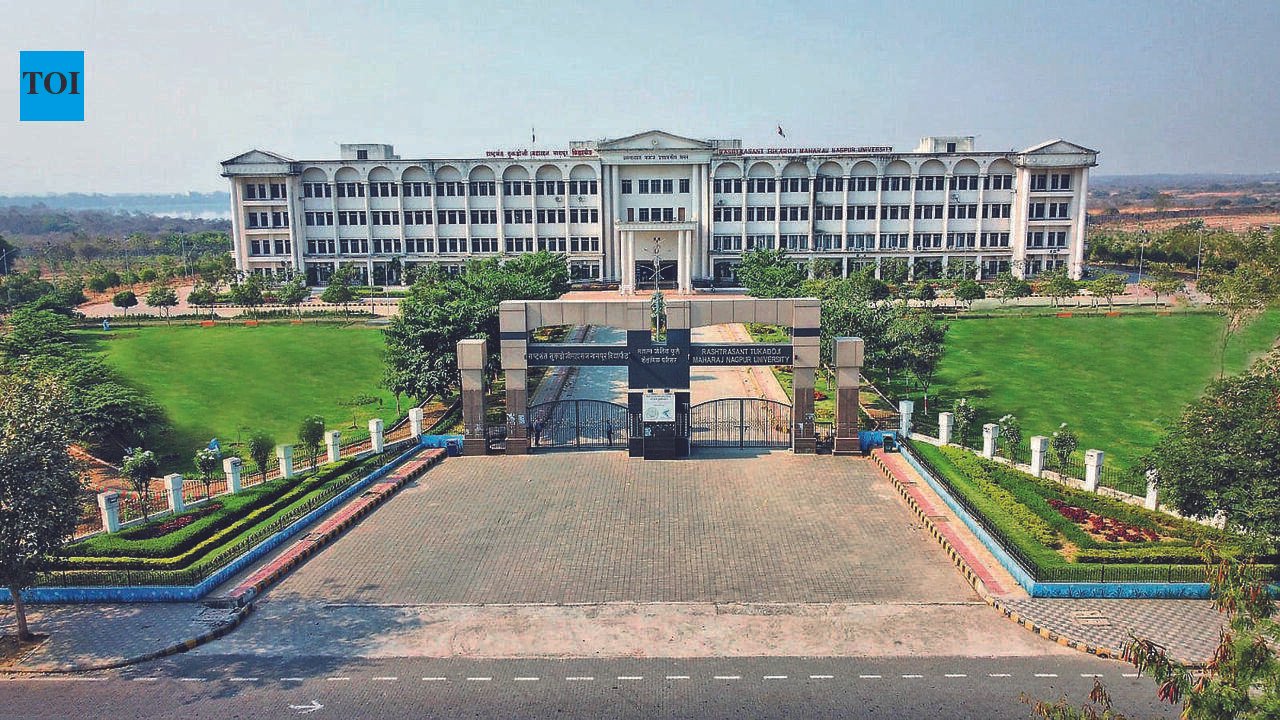
Nagpur: Nagpur University (NU) is grappling with a severe manpower crisis, with 478 of its 855 sanctioned posts lying vacant, leaving the institution to function with just 377 officers and employees. The vacancies span key administrative and academic support positions, raising concerns over the university’s ability to efficiently manage examinations, admissions and day-to-day administration for nearly 530 affiliated colleges.According to official figures, more than half of the sanctioned posts of deputy registrars and assistant registrars remain vacant. Of the 24 sanctioned assistant registrar posts, only five are filled, while 19 lie vacant. The shortage has also increased the workload, with several officers holding additional charge of multiple departments.The crisis has been compounded by the absence of regular appointments to key positions, including registrar and director of the examination and evaluation department. Senior officials are currently handling these responsibilities as additional charge, affecting administrative efficiency.The staffing shortage has also affected the university’s regional administration overseeing colleges in Nagpur, Wardha, Bhandara and Gondia districts. Sources said the limited workforce has placed additional pressure on existing officials, particularly during examination and result seasons.The university has also seen voluntary retirement of senior officers, while some key officials have been on long medical leave, further widening the gap. In several departments, deputy registrars are handling multiple assignments, while some posts have remained vacant since retirements.NU’s sanctioned strength comprises 60 Class-I posts, 52 Class-II posts, 546 Class-III posts and 246 Class-IV posts. However, vacancies are highest in the Class-III cadre, the backbone of the university’s administrative machinery.The prolonged delay in filling vacancies has raised concerns over the university’s functioning, with employees warning that the shortage could affect governance and student services unless recruitment is undertaken at the earliest.
