



Image Credit: Wikipedia
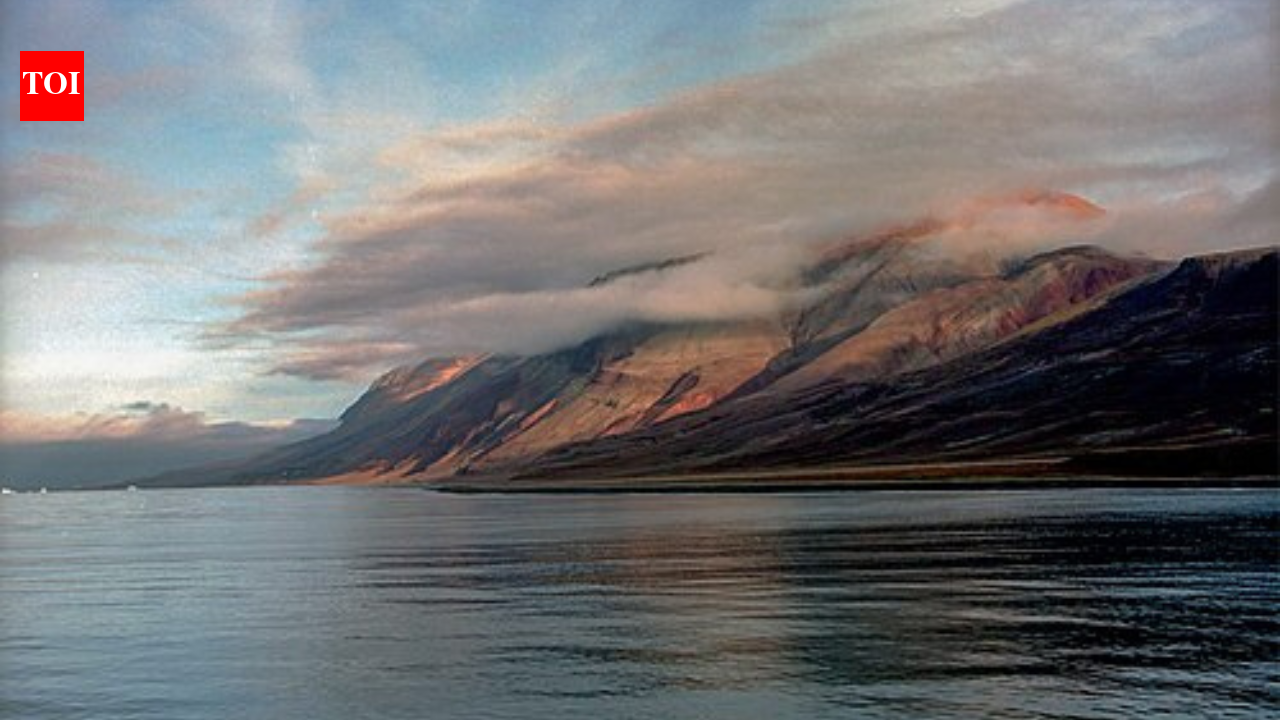
A place that is so massive that it is over 100 times larger than the famous Yellowstone National Park, shrouded in ice with its very own ‘Iceberg Graveyard’. Northeast Greenland National Park is a massive expanse of raw Arctic power, covering an area of 972,000 square kilometres, larger than many countries. It is the domain of the polar bear, musk oxen, and ancient fjords, but also the domain of the brave men and women of science as they venture into the seemingly endless expanse of ice in search of the secrets of the climate. No human calls this place home; only the roar of nature. Unveil the untamed heart of this frozen wilderness, from the glaciers to the icebergs.
The vast scale of Northeast Greenland National Park
Northeast Greenland National Park spans 972,000 km², according to the Guinness Book of World Records, qualifying it as the world’s largest national park. It is over 100 times larger than Yellowstone, which spans 8,991 km², according to area comparison. It was formed in 1974 and expanded in 1988, preserving the wild northeastern region of Greenland from Liverpool Land to Peary Land. Experts comment that the park’s vastness is beneficial for important research in the Arctic region.
Ice-dominated landscapes
The majority of the Northeast Greenland National Park is covered by the Greenland Ice Sheet, with the ice-free coasts and the area of Peary Land being the exceptions. Glaciers are the major feature of this area, which includes fjords and sheer cliffs formed by glaciers in this frozen area. The reason for the creation of the Northeast Greenland National Park is the preservation of this frozen area for scientific study, as stated in the Executive Order no. 7 of Greenland Home Rule from 1992: “Protection of landscapes… is the overall objective.” Endless stretches of ice are seen in this frozen area.
Iceberg Graveyard in Kjerulf Fjord
Kjerulf Fjord earns its ‘Iceberg Graveyard’ nickname by explorers, as winds and currents strand massive bergs here. In Northeast Greenland National Park, these giants pile up, creating a haunting seascape. A small boat dwarfs beside them, showing their scale. Calved from nearby glaciers, they slowly melt in the shallows. This spot mesmerises explorers in the park’s coastal reaches. Nature’s graveyard reminds us of ice’s power.
Thriving arctic wildlife
Polar bears inhabit coastal regions. One of the world’s largest populations of musk oxen inhabits ice-free zones. Walruses, Arctic foxes, hares, and Arctic wolves are rarely found in this harsh environment teeming with seals and whales. Birds such as gyrfalcons, snowy owls, and ptarmigan also nest during the summer. The park preserves these species, prohibiting disturbance according to regulation. The wildlife far exceeds the small number of scientists.
Zackenberg research station insights
Image Credit: Wikipedia
According to research, the Zackenberg Ecological Research Operations (ZERO) is situated at Zackenberg station in the Northeast Greenland National Park, and hosts rotating teams of scientists each year. BioBasis monitoring has been conducted since 1995 to collect data for 50+ years on the effects of climate change. “The aim… is to provide data relevant mainly for ecosystem changes,” the rationale states.
Climate research frontiers
Some studies published in Nature reveal the Northeast Greenland Ice Stream’s retreat caused by warming seas since 21.6 ka BP. Grounding lines have been 100 km inland, as recent discoveries have found. Zackenberg’s graphs show habitats in the melting ice. This park’s ice cores have the history of climate change on our planet. Scientists are predicting a rapid change in this area.
Regions of the park
Along this shoreline, mountain ranges such as:
- Roosevelt Range
- Stauning Alps
- Halle Range
Surrounding features such as:
- Scoresby Sund
- Kong Oscar Fjord
- Kejser Franz Joseph Fjord
Ice flows out from the interior, with features such as:
- The fast-flowing Northeast Greenland Ice Stream (NEGIS)
- The Gully
- Sefstrom
- Hamberg Glacier
Human absence, strict rules
No permanent residents are found in the Northeast Greenland National Park; only patrol stations like Daneborg are found. The Sirius Patrol enforces regulations: Strict aviation and environmental restrictions apply, no waste left behind. “Waste… must be brought back,” the 1992 order reads. Summer scientists add to the numbers.
Enduring Arctic wilderness
Northeast Greenland National Park has been established as a protected area, and the park has preserved one of the most untouched Arctic environments on Earth since 1977, protecting the prehistoric sites as well. Its boundary is straight and encloses ice caps, preserving untamed beauty. From musk ox herds to berg graveyards, it is mesmerising. Various climate research done here that influences the world. This ice giant calls the brave.


