



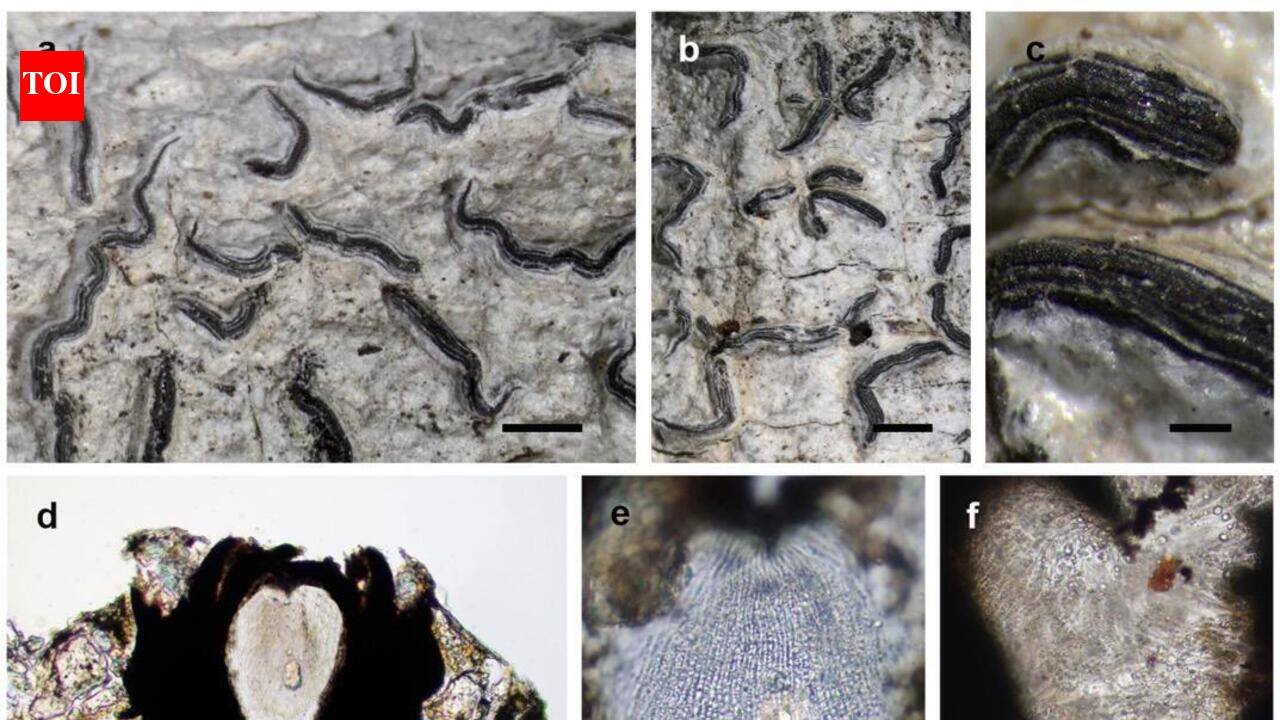
Pune: Scientists from MACS Agharkar Research Institute (ARI) in Pune have discovered five new species of lichen- forming fungi in the Western Ghats which could strengthen efforts to monitor forest health and protect one of the world’s richest biodiversity regions.The newly identified species add to the known diversity of the Western Ghats and provide scientists with better tools to identify ecologically sensitive areas and support future conservation planning. The study, published in the journal Mycological Progress, was carried out by ARI researchers in collaboration with Freie Universität Berlin.Lichens are organisms formed through a partnership between a fungus and algae or cyanobacteria. They grow on tree bark, rocks and other surfaces and are considered important indicators of environmental quality because they are highly sensitive to pollution and changes in their surroundings.The research team, led by scientist Rajeshkumar K C, doctoral researcher Ansil P A and technical officer Bharati Sharma, carried out extensive field surveys in tropical forests across Kerala between 2021 and 2023. Around 700 samples were collected, of which 38 belonged to the genus Allographa.Using a combination of traditional identification methods and DNA based analysis, the researchers discovered five previously unknown species named Allographa keralensis, A. nayakae, A. paraconsanguinea, A. persistinspersa and A. semicarbonisata. Three of these species were found in Idukki district, while the remaining two were discovered in Thrissur district of Kerala. The study also generated fresh DNA information for several known Allographa species found in India.The researchers found that the new species are morphologically very similar to known species (cryptic in nature); however, molecular analyses revealed that they are genetically distinct and represent unique species.“Our study presents the first comprehensive molecular phylogenetic investigation of Allographa species from the Western Ghats and significantly expands the known diversity of this group in India,” the authors wrote. They added that integrating DNA evidence with traditional taxonomy provides “a more accurate understanding of species boundaries and biodiversity” in the region.According to researchers, the Western Ghats has records of 35 Allographa species, but most were identified only through their physical features. The new study fills an important gap by adding molecular evidence, making future identification more reliable.The team also prepared an updated checklist of Allographa species reported from the Western Ghats along with information on available DNA sequence data. The researchers said this would serve as a valuable reference for future biodiversity surveys, conservation planning and studies on tropical lichens in India and elsewhere.


