



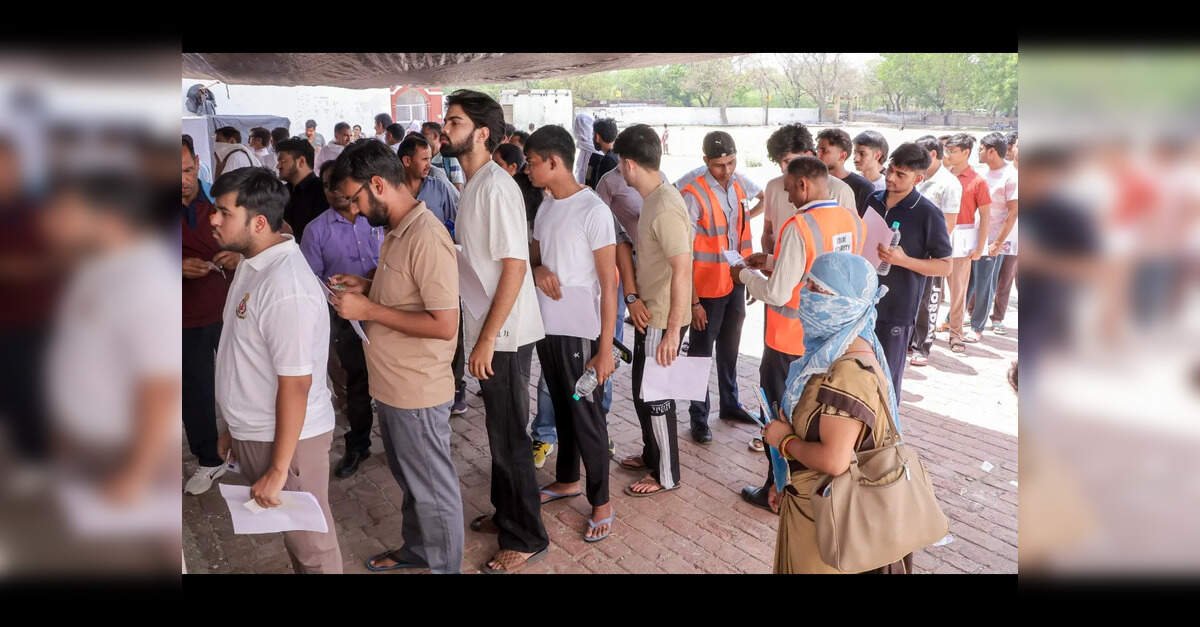
Fresh allegations surrounding a possible NEET UG 2026 paper leak have once again put the spotlight on the security and credibility of India’s largest medical entrance examination, nearly two years after the 2024 episode triggered nationwide outrage, court proceedings, and a CBI probe.
The latest issue emerged after claims surfaced on social media that a handwritten “guess paper”, allegedly circulated through WhatsApp groups nearly 42 hours before the examination, matched several questions from the actual NEET UG 2026 paper. Rajasthan Police’s Special Operations Group (SOG) is currently investigating the matter, while the National Testing Agency (NTA) has said the allegations are under examination.
According to preliminary reports emerging from Rajasthan, investigators are probing whether portions of the circulated material contained questions and answer sequences similar to those seen in the final examination paper. Multiple reports have claimed that the material was allegedly shared through coaching-linked networks and student groups before the May 3 examination.
Posts circulating on X and Telegram also claimed that handwritten material resembled portions of the final examination paper. However, officials have not publicly confirmed the exact number of allegedly matching questions so far, and ETEducation could not independently verify the claims circulating online.
NEET UG 2026 was conducted across thousands of centres in India and abroad for over 22 lakh aspirants seeking admission to undergraduate medical programmes. Competition for medical seats continues to remain intense, with demand significantly exceeding the number of available government MBBS seats across the country.
The developments have once again revived larger questions around the vulnerability of offline examinations, the rapid spread of exam-related material through encrypted messaging platforms, and whether India’s biggest entrance tests now require structural reforms beyond conventional exam-day security arrangements.
What triggered the latest issue?
The matter intensified after screenshots and handwritten pages allegedly linked to the examination began circulating widely online. The Rajasthan SOG has reportedly detained several individuals for questioning as part of the ongoing probe. However, authorities have not yet released any final forensic findings regarding the extent of the alleged leak.
The NTA, in its response, said the examination was conducted under strict security protocols, including biometric verification, AI-assisted CCTV monitoring, GPS tracking of question paper movement, and deployment of signal jammers at centres.
The agency added that inputs regarding alleged irregularities were received after the examination and have since been escalated to concerned agencies for investigation.
The episode has renewed scrutiny of how India secures high-stakes offline examinations, particularly vulnerabilities linked to pre-exam circulation through messaging platforms and informal coaching networks.
Medical bodies, student groups react to allegations
Reacting to the latest developments, Dr Dhruv Chauhan said recurring allegations surrounding NEET were damaging students’ trust in the examination system. Chauhan writes that he had raised concerns related to the NEET issue in previous years as well, but alleged that no substantial corrective action followed despite repeated complaints and public outrage. “If millions of students lose trust in this education system, it is because the system failed them,” he said on X while reacting to the developments.
In another post, Chauhan referred to alleged irregularities connected to answer patterns and examination data, and said students deserved greater transparency and accountability in the handling of such cases.
His remarks have been widely shared among medical students and NEET aspirant communities, particularly because he had also spoken publicly during the 2024 NEET row.
The All India FMG Association also reacted strongly to the matter, saying repeated issues surrounding medical entrance examinations were taking a serious mental toll on aspirants and their families.
In a statement posted on X, the association questioned why NEET UG continues to be conducted in pen-and-paper mode despite several other major examinations in India shifting to computer-based formats. The association said it was difficult to understand why digital examination systems could not be adopted for NEET UG when concerns around paper leaks and malpractice continue to emerge repeatedly.
It further argued that while stricter regulations are often imposed on foreign medical graduates and FMGE aspirants, concerns regarding the integrity and administration of domestic entrance examinations remain unresolved. The association’s comments gained traction online, with several students echoing demands for reforms in the examination process.
Political reactions intensify
The allegations also quickly acquired political overtones, with opposition leaders questioning the government’s handling of examination reforms and paper leak cases.
Rahul Gandhi alleged that repeated paper leak incidents were destroying the future of students and questioned the government’s approach towards examination reforms.
Mallikarjun Kharge also criticised the government over the matter and referred to previous NEET-related episodes while demanding accountability in the examination system.
The developments have once again revived debate around the broader issue of paper leaks and exam-related fraud in India, particularly in high-stakes entrance and recruitment examinations.
Why the issue matters
NEET remains one of the world’s largest entrance examinations and serves as the gateway to undergraduate medical education in India. With lakhs of students competing for a limited number of MBBS seats, even allegations of irregularities can create widespread anxiety among aspirants and parents.
Education experts have repeatedly argued that examination security cannot remain limited to exam-day arrangements alone, especially when digital communication platforms allow rapid circulation of material before the test.
The recurrence of paper leak allegations despite enhanced surveillance measures has also raised questions about whether India’s examination reforms are evolving faster at exam centres than outside them. While biometric checks, GPS tracking, and AI-based monitoring have strengthened in-hall security, experts argue that encrypted messaging apps and decentralised distribution networks continue to pose a major challenge before examinations even begin.
The issue has also revived discussions around whether NEET should gradually transition to a computer-based testing model with randomised question banks and enhanced digital safeguards.
Supporters of digital testing argue that such systems may reduce the risks associated with physical paper movement and large-scale offline distribution networks. However, concerns around digital access and infrastructure in rural areas continue to remain part of the debate.
The matter also reflects a broader trust deficit emerging around high-stakes examinations in India, particularly after repeated controversies involving recruitment and entrance tests over the past few years.
NTA says investigation is underway
The NTA has maintained that the matter is currently under investigation and that no conclusions should be drawn until the inquiry is completed. The agency said any further action, if required, would be taken in consultation with the Ministry of Education after findings from investigating agencies are reviewed.
As the probe continues, lakhs of students and parents across the country are awaiting clarity on whether the issue could impact result timelines, counselling schedules, or the overall examination process.


