


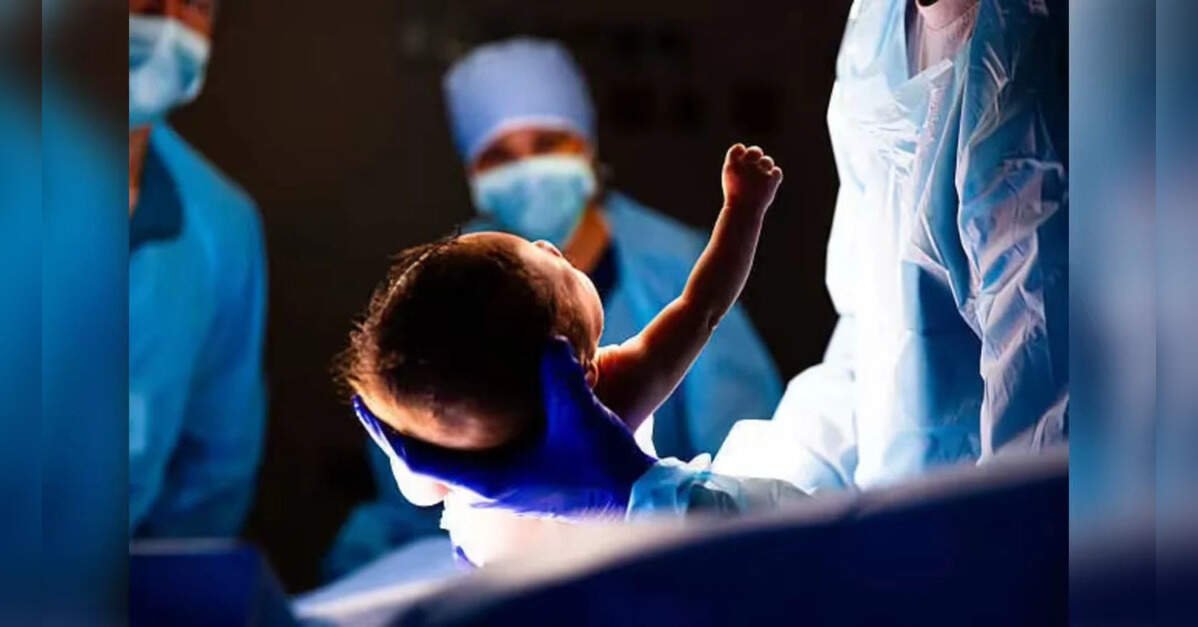
Bengaluru: Amid state govt’s attempts to promote natural births, National Family Health Survey (NFHS-6, 2023–24) reveals a big rise in Caesarean-section deliveries. According to data, 45.7% of all births in the state were delivered through C-section, up significantly from 31.5% recorded in NFHS-5 (2019–21).
The surge is driven largely by private healthcare sector, where 63% of births are conducted via C-section. In contrast, public health facilities report a considerably lower rate of 34%, highlighting a divide in childbirth practices between the two sectors.
Expectedly, the share of institutional deliveries in public health facilities has declined from 64.8% in NFHS-5 to 58.1% in NFHS-6.
A rural-urban split is equally evident. In rural areas, 68.4% of deliveries continue to take place in public health facilities. However, in urban areas, the figure is down to just 45%.
Health officials have expressed concern over the rising C-section rates, noting the procedure contributes to maternal mortality. They point out that surgical deliveries can leave mothers vulnerable to complications such as sepsis, while newborns may face risks like oxygen deprivation.
In 2025, the department conducted a pilot study in Tumakuru district to examine C-section trends. The study found that many women were opting for elective Caesarean procedures due to perceived safety and convenience rather than strict medical necessity.
To address the issue, govt is now planning corrective measures. These include adding an information box in consent forms outlining the benefits of natural delivery, as well as promoting non-invasive pain management techniques during childbirth.
However, public health experts argue these steps may not be sufficient without stronger regulatory oversight. They have called for introducing standardised medical guidelines for procedures such as C-sections and hysterectomies across govt and private hospitals.
“In our state, nearly 80% of patients seek treatment in private hospitals. Govt facilities are used primarily by those who cannot afford private care,” said Dr Gopal Dabade, a doctor and public-health activist.
“With private hospitals coming up in every locality, healthcare is increasingly becoming a competitive, profit-driven sector. This often results in unnecessary medical procedures being pushed on patients. C-sections and hysterectomies are among the most commonly overused interventions in private institutions,” he added.
Dr Dabade stressed the need for clearly defined clinical guidelines, similar to those followed in Western countries, to regulate when such procedures are warranted. “There must be well-established criteria outlining when a C-section or hysterectomy is necessary. Currently, in the absence of clear guidelines and a strong regulatory authority, unnecessary procedures are on the rise,” he said.
