


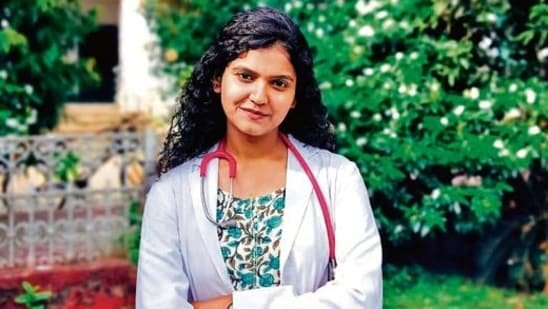
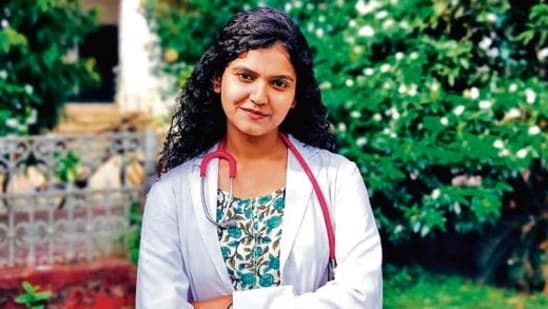
Dr Pragya Kumari is a postgraduate resident in the Department of Obstetrics and Gynaecology at Lady Hardinge Medical College (LHMC), Delhi. Representing the new generation of doctors, the 27-year-old is training in one of the country’s busiest government teaching hospitals, where she manages high-risk pregnancies, emergency obstetric cases and women’s healthcare. As a young doctor at the frontline of public healthcare, she has witnessed firsthand the growing pressures of medical training, intense competition and changing patient expectations.
Q. What does it mean to be a doctor in your generation?
A. The competition has increased drastically for our generation. Getting a government medical seat has become incredibly difficult. The recent controversies surrounding the NEET examinations, including paper leaks and allegations of cheating, are indicative of just how intense the competition has become. Securing a good MBBS seat today is far more challenging than it was in the past.
Q. What irritates you the most as a doctor?
What frustrates me the most is the sense of ungratefulness that has gradually seeped into the doctor-patient relationship. In earlier generations, doctors were held in high regard, and there was a certain level of trust and respect. That dynamic has changed. Today, we are increasingly seen as service providers. While serving patients is, of course, our responsibility, the trust and respect that once defined the relationship seem to be steadily declining.
A common mindset among many patients is that if everything goes well, it is God’s grace. But if something goes wrong—even after doctors have done everything possible, and the outcome is beyond anyone’s control due to medical reasons rather than negligence—the entire blame is placed on the doctor. It takes years of dedication and sacrifice to become a doctor. In many ways, you sacrifice your youth to pursue this profession. The least I hope for is a little appreciation for the care, commitment and sacrifices that doctors make every single day.
