






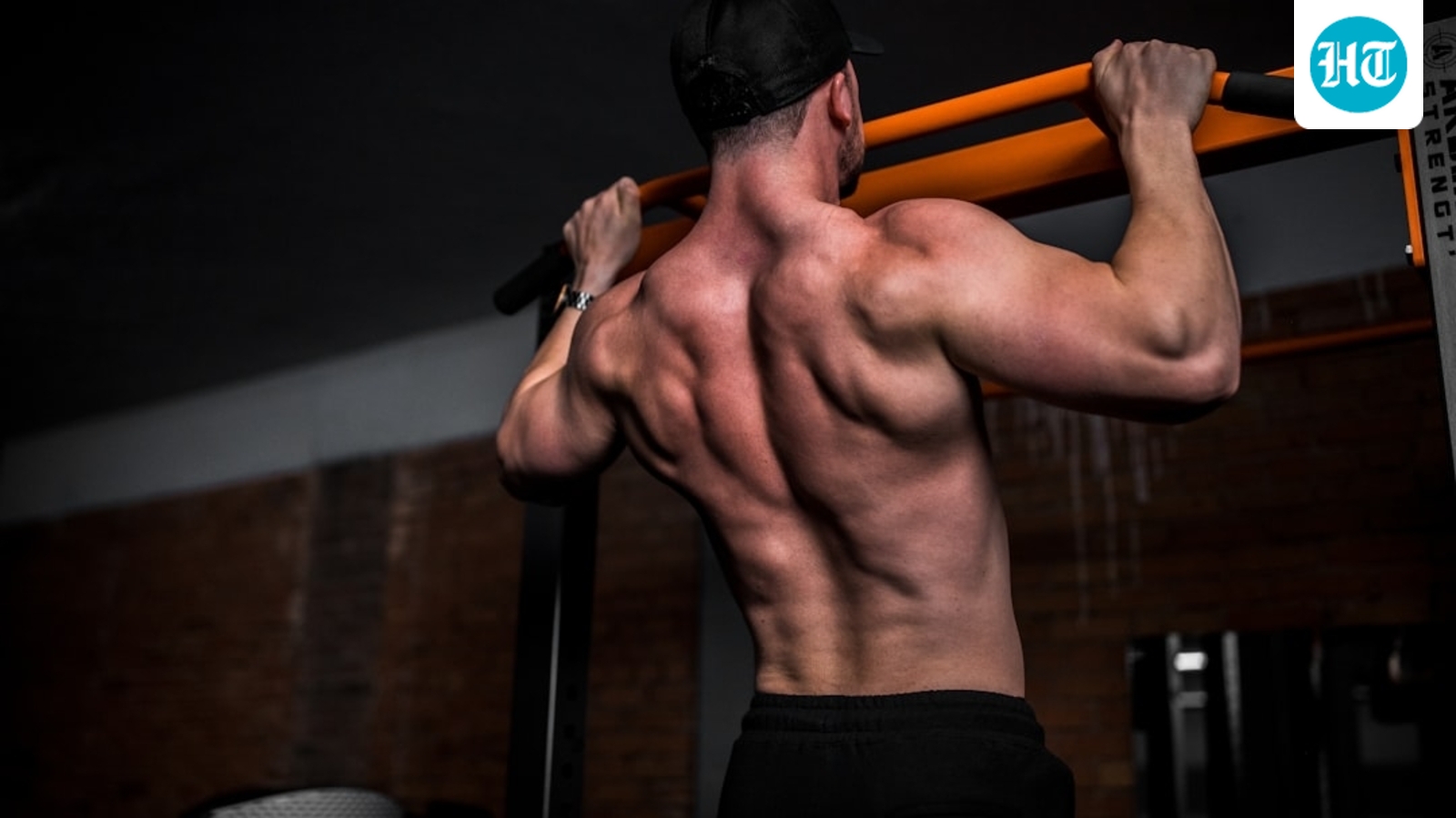
The common understanding of muscle loss is associated with ageing; however, it can happen much earlier in one’s life. Starting at age 30, muscle mass and strength can be lost if there are insufficient amounts of physical activity, proper diet and recovery. Muscle loss happens quite gradually at first, and therefore, it often remains unnoticed for a long time. In an interview with HT Lifestyle, Dr Kumardev Arvind Rajamanya, director and lead consultant, orthopaedic surgery and complex trauma, robotic joint reconstruction /replacement, sports medicine and arthroscopy, KIMS Hospitals, Mahadevapura, explained why it happens and ways to preserve muscle, strength and mobility.
Why does muscle loss begin at 30?
Dr Kumardev highlighted that muscle loss is not simply an issue of appearance. Skeletal muscles play an important role in functions such as mobility, balance, metabolism, and even performing daily tasks. As one grows older, their body becomes unable to create new muscle tissue and heal it using protein consumed through diet and exercise.
“Hormonal imbalance, physical inactivity, lack of exercise, insufficient protein intake, and bad sleep habits can speed up the process,” said Dr Kumardev.
How to prevent muscle loss?
It is worth noting that loss of muscle mass can be avoided and corrected. Resistance training is one of the best ways to prevent this problem. According to Dr Kumardev, regular practice of weightlifting, bodyweight workouts, resistance band exercises, and functional workouts can contribute to muscle development and retention of strength. Adults need to perform weight-bearing or strength training exercises at least twice or three times a week.
Nutritional support also plays a major role in maintaining muscle mass. Proper nutrition can help to get the proteins needed for muscle maintenance and regeneration. Some great sources of protein are eggs, dairy products, fish, chicken, meat, soybeans, beans and other legumes. Instead of taking most proteins with one meal, one can use protein in several portions. Protein needs vary from individual to individual.
Proper intake of vitamin D and calcium, along with other micronutrients, is necessary for a healthy musculoskeletal system. Physical activity through walking and stair climbing and avoiding long periods of sitting, is also helpful for physical exercise.
It is important to consider sleep and rest. Bad sleep may have an impact on your performance during the workout and recovery. Adults need quality and regular sleep and sufficient time for recovery after strenuous workouts.
According to Dr Kumardev, one also needs to pay attention to possible early signs like decreased strength, inability to climb stairs, inability to lift familiar weights, and increased tiredness during usual activities. In case of persistent problems, one should consult a doctor to diagnose the cause of these problems, including nutritional and hormonal deficiencies and so forth.
Note to readers: This article is for informational purposes only and not a substitute for professional medical advice. Always seek the advice of your doctor with any questions about a medical condition.


