






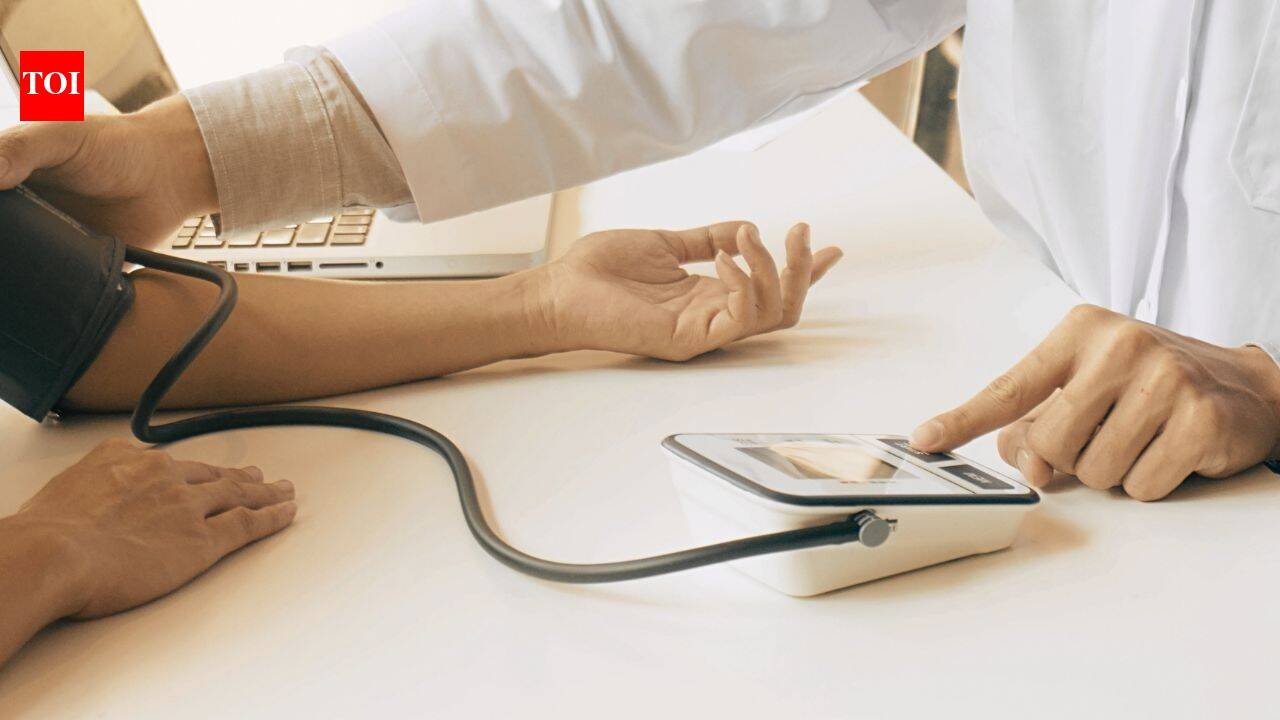
The worst thing about blood pressure medication is that they are for life. Once a person has been put on BP medication, it is for life in most cases. Doctors might adjust dosage but weaning from this medicine is quite uncommon. However a promising research published in the American Heart Association shows that blood pressure can actually be brought down by stimulating the ear with a small device.This tiny device is said to deliver gentle electrical pulses through the ear. This can be a brand new approach to treating difficult high blood pressure. In a clinical trial led by researchers at Queen Mary University of London, the technology proved safe, well tolerated, and practical for patients to use at home.The device did not significantly reduce blood pressure across the entire group compared with a placebo. However, patients with more severe hypertension showed promising responses. The researchers believe that stimulating nerves in the ear could one day offer another treatment option for people who continue to struggle with high blood pressure despite taking medication.The findings are from the SCRATCH-HTN trial, published in Hypertension, a journal of the American Heart Association. While the initial results are promising for some patients, researchers say further studies involving larger groups are necessary to establish how effective the treatment is and identify those most likely to benefit.How stimulating nerves in the ear may help control blood pressureThe treatment, known as transcutaneous autonomic neuromodulation (tAN), is designed to influence the autonomic nervous system. This system regulates several functions that happen automatically in the body, including heartbeat, digestion and blood pressure.The researchers are investigating whether mild electrical stimulation delivered through the ear can help the body regulate blood pressure more effectively. Unlike procedures that require surgery or instruments to be placed inside the body, this technique is non-invasive.The device, developed by Afferent Medical Solutions, is handheld and fitted with two small clips that attach to the tragus, the cartilage flap just outside the ear canal. The clips deliver low-level electrical pulses to the nerves in the area. Patients can operate the device themselves, making it possible to use the treatment at home.
Image: Canva
Trial involving 63 patients examines safety and effectivenessFunded by the National Institute for Health and Care Research (NIHR), the trial included 63 people whose blood pressure remained above target levels despite taking at least one blood pressure-lowering medication.Participants were randomly assigned to one of two groups. One group received active electrical stimulation, while the other used a sham device that served as a control. Comparing the two groups allowed researchers to examine whether the treatment itself made a difference to blood pressure.During the first two weeks, participants were asked to use their assigned devices for 30 minutes every day. For the next 10 weeks, they continued treatment once a week.The device was found to be safe and generally well tolerated during the study. Most participants also adhered to the prescribed schedule, indicating that the treatment may be manageable for people using it as part of their routine at home.However, safety and ease of use do not necessarily mean that the treatment is effective at lowering blood pressure. Further research will be needed to establish its benefits, particularly for people whose hypertension remains difficult to control with medication.Hope for people with uncontrolled BPEven though no significant overall benefit could be witnessed in this limited human trial, scientists have found an important finding in patients with very high BP.As reported by Science Daily, Dr. Ajay Gupta, Chief Investigator, Clinical Reader at Queen Mary University of London and Consultant Physician at Barts Health NHS Trust, said:”This is an exciting, highly patient-acceptable technology that could ultimately provide a cheap, scalable solution for millions. Although the trial did not achieve significance across the broad unselected group, those with more severe hypertension exhibited a clear blood pressure reduction in the active group compared to sham.“As the first and most thorough study of its kind, this points towards important new research directions that could help us understand whether non-invasive neuromodulation can benefit particular groups of patients with uncontrolled hypertension.”This suggests the technique could be especially helpful for people whose blood pressure is hardest to control. But the trial was small, and these subgroup results will need to be confirmed in larger studies before anyone can say how well it really works.


