






Gowen’s investigation into Monsanto – which had factories in Newport and Wrexham – found it had been producing what he had called “some of the worst contaminants known to man” in the 1960s and ’70s.
The chemicals known as PCBs were once widely used in everything from lipstick to white goods, and had been revered for being non-flammable and hard to break down.
But they were later classed as carcinogenic, banned worldwide, and are seen today as the first “forever chemicals” – which are building up in the environment, threatening wildlife and human health.
Community councillor Katie Witherden organised a public meeting in Acrefair, Wrexham – close to the former Monsato works – following the airing of the documentary, and said the community wanted “answers” and “thorough testing of all the suspected sites”.
“Until that’s done there’s a risk that future generations will be poisoned by this without ever knowing and I’m not willing to accept that,” she said.
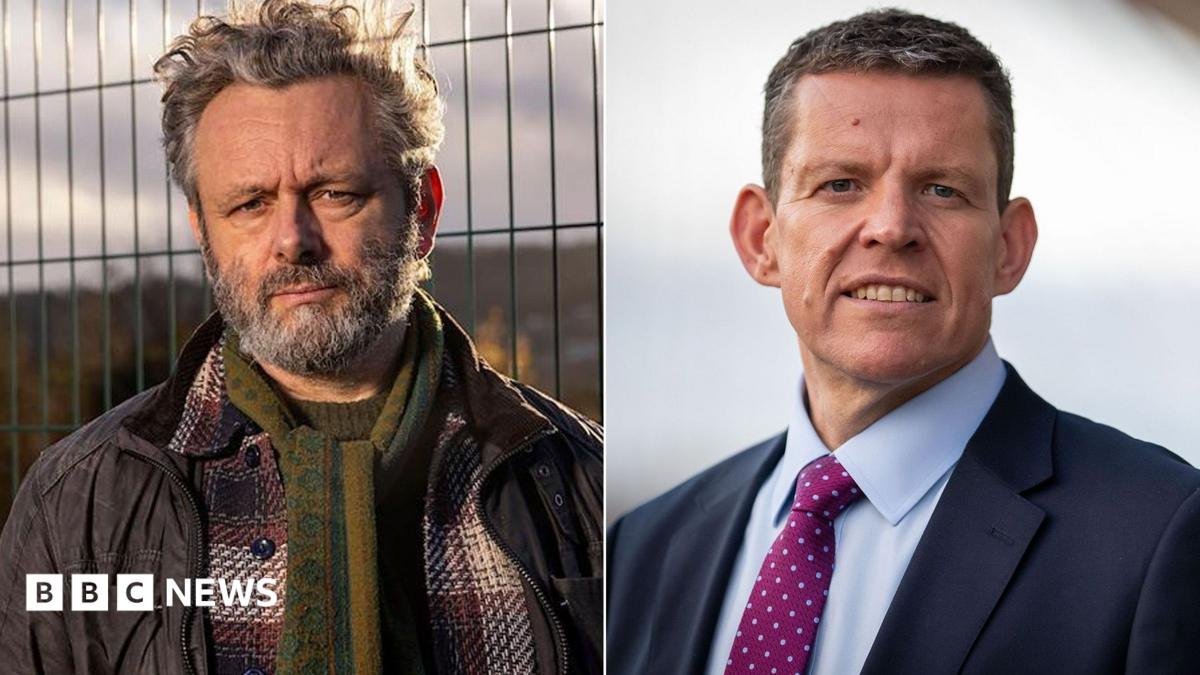
The Welsh government said it was working to arrange a meeting between the first minister and Sheen, and would also develop a strategy to “progressively restore post-industrial land so that communities are no longer exposed to potential risks”.
“This will include strengthening the ‘polluter pays principle’ while we continue to press for environmental justice by raising the importance of seeking UK government funding direct with the UK Treasury,” a spokesperson said.
“This should be used to continue our joint efforts to address the legacy of Wales’ industrial past through restoring coal tips and remediation of contaminated land.”
The UK government and Wrexham council were also asked to comment.


