



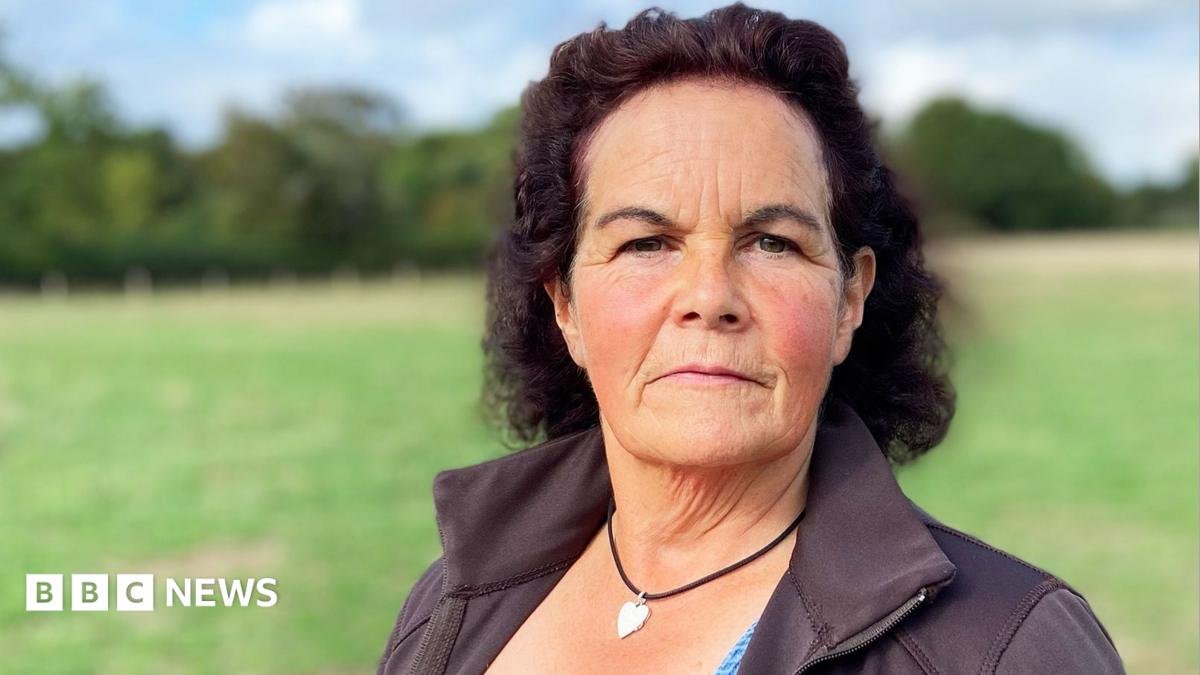
Linda brought a civil case against the Met seeking damages on the basis the force failed to protect her from him and that she felt she had been unable to report the rape.
During the four-year case, she says the Met’s legal team questioned the severity of her PTSD diagnosis.
“I was horrified and shocked,” she says, adding she was reduced to tears and felt she was being called a liar.
The Met team also suggested her PTSD could not be severe because she had been raped only once, she says.
“I don’t know how many times you have to be raped to have severe PTSD,” Linda says
The BBC has seen a document from the Met, sent to Linda, showing it stated that a key factor in assessing damages was that the “abuse itself was isolated to a single episode”.
Linda’s solicitor, Sophie Bullimore, of Penningtons Manches Cooper, says to see the rape “reduced down on paper to it being a single isolated event, when actually it has impacted every single aspect of her life, it just needs to be handled with more care”.
If you have been affected by the issues raised in this story, information and support can be found at the BBC’s Action Line
Linda says Met lawyers used the fact that she was an exemplary officer, and continued to perform well at work, to suggest she had shown no signs of psychological trauma.
This fails to understand trauma, or how it manifests itself, she adds.
The Met document, sent to Linda, shows it argued that – for at least 15 years after she had been raped – the psychological harm she experienced was “not such as to significantly impact her on a day-to-day basis”.
The Met’s legal approach, says Linda, felt “like being raped all over again” – with the force controlling the process and deciding what she was worth.
The lawyers were acting on behalf of the commissioner, whom she therefore regards as being personally responsible.
At the time of Carrick’s conviction, Sir Mark publicly apologised to the 12 victims. Linda says she waited a couple of months to see if he would get in touch with her directly.
When she did not hear anything, she emailed, telling him that as “a serving officer, one of his troops, maybe I thought he would come forward and speak to me”.
He did then meet her, she says, and “said he was sorry”. But the apology lacked detail, she says, so it “meant nothing”.
